Category: Editorials

In-depth wrestling editorials, opinion pieces, and analysis from the BodySlam writing team.

  • The Streaming Wars of Pro Wrestling: How Media Rights Deals Are Reshaping the Industry in 2026

    The Streaming Wars of Pro Wrestling: How Media Rights Deals Are Reshaping the Industry in 2026

    Pro wrestling in 2026 looks different from a decade ago. Big shows are no longer just about arena gates and pay-per-view boxes. Now, streaming platforms, broadcast networks, and their multi-year deals decide who reaches which fans. The money is bigger. The audience is more global. And the consequences are real.

    The big players and the headline deals

    The last few years saw major shifts. WWE moved several marquee properties into new homes and large streaming partnerships that start affecting 2026. One landmark agreement places WWE premium live events onto ESPN’s streaming service beginning in 2026 — a multiyear, high-value contract that reflects how important live sports content has become to streamers.

    Across the aisle, AEW renewed with a major media partner, locking in TV and streaming windows and bringing live pay-per-view distribution onto Max. That deal—negotiated with Warner Bros. Discovery—reshaped AEW’s revenue path and placed its PPVs squarely on a mainstream streaming platform.

    Smaller promotions are not immune. TNA secured a TV/streaming slot on AMC and its platform. This matters: the long tail of pro wrestling — regional shows, niche belts, developmental rosters — now depends on whether a streamer sees value in their audience.

    Why these deals matter — money and reach

    Streaming rights change the math. When a streamer pays for exclusive windows, that cash funds production, talent deals, and international expansion. For instance, reported valuations for modern AEW/WBD-style deals (hundreds of millions over multiple years) and WWE’s multi-platform agreements show how live wrestling competes with other sports for scarce streaming dollars. The scale is large: some recent sport/streaming packages run into the billions, and wrestling has begun to command its slice.

    Practically: exclusive streaming windows can raise prices for fans who once paid a single monthly fee to see everything. They also make promotions more attractive to sponsors and advertisers, since a guaranteed global audience can be offered in ad bundles or branded content.

    Fans, access, and the role of cybersecurity tools

    Not everyone gets the same feed. Geo-restrictions, platform exclusivity, and regional blackout rules mean a match in Tokyo might be behind one app in Japan and a different service elsewhere. That creates frustration. It also pushes some viewers toward technical workarounds.

    For many fans, tools like VPN apps and dedicated services are framed as privacy and security measures. People use VPN for iOS to protect their data on public Wi-Fi at arenas, and to access foreign live streams when local rights block them. The appeal is simple: a secure connection and VeePN VPN can both protect privacy and expand access to content from other markets. VeePN is one example of such providers used by viewers to reduce geographic friction.

    Production, scheduling, and creative changes

    With streaming partners dictating windows and cadence, promoters adjust. Longer commercial breaks. More studio segments. Cross-platform mini-series. Netflix-style documentary deals or weekly companion shows are now bargaining chips in rights negotiations. Creative teams must balance storytelling and the demands of global audiences who will clip, repost, and analyze everything in near real time.

    Also: live event timing matters. To serve multiple time zones, some promotions stagger start times or create two-night events. That can lead to more ticket packages, more broadcast hours, and—yes—more money. But it also creates fatigue. Not every wrestler thrives under heavier travel + production loads.

    Wrestlers, careers, and the economics of exposure

    For talent, the shift is two-sided. Bigger media deals mean big paydays for top names and opportunities to become crossover stars. At the same time, the roster beyond the top tier can see fewer domestic appearances if a promotion focuses on streaming-friendly main acts. In short: visibility equals bargaining power. Win the right match on the right platform and you’re suddenly valuable in multiple markets.

    Statistics show streaming subscribers weigh live sports and unique events heavily when choosing platforms. Wrestling’s mix of weekly drama plus occasional mega-events makes it a natural fit for streamers chasing retention. (Specific subscriber uplift varies by platform and event; platform owners rarely disclose full breakdowns.)

    Global growth, local friction — and an anchor for access

    International expansion is both an opportunity and a headache. Japan, Mexico, the UK, and Latin America each require tailored approaches: language, local talent, and streaming partners that understand regional payment habits. Smaller promotions can now reach overseas fans via localized apps or niche OTT services, but they often lack the marketing muscle of the majors.

    Access blocks are still relevant and even stronger than ever before. Fans, frustrated by geo-blocks, sometimes turn to services like VeePN to bridge gaps when a show is available in one market but not another. That single sentence has cost and benefit: it signals real demand for more uniform global access, while reminding rights holders they cannot treat regions the same way anymore.

    What comes next — consolidation or fragmentation?

    There are two plausible futures. One: consolidation. Big media companies continue to buy rights, bundle wrestling with other live sports, and offer larger global packages. Two: fragmentation. More niche platforms, regional deals, and pay-per-event windows create a mosaic of access options. Right now, both happen at once: global streamers sign huge deals while regional players carve out local audiences.

    Recent industry moves suggest streamers view wrestling as valuable real-time content that helps retain subscribers. At the same time, promotions without major partners must innovate — better direct-to-consumer apps, localized pricing, or partnerships with regional streamers.

    Conclusion

    The streaming wars have reshaped pro wrestling by moving power — and money — into media rooms as much as into locker rooms. Fans get more ways to watch, but they may also pay more or navigate more friction. Wrestlers gain global platforms but face new pressures. Promoters must balance creativity with contractual obligations.

    One simple takeaway: where a match appears in 2026 is as important as who’s in it. The future will reward promotions that pair smart storytelling with smart distribution — and that understand the technical and legal lines fans will cross to watch the shows they love.
  • The Power of Personal Branding: How Modern Wrestlers are Monetizing Digital Content in 2026

    The Power of Personal Branding: How Modern Wrestlers are Monetizing Digital Content in 2026

    The professional wrestling landscape has undergone a radical transformation where the square circle is now just one part of a much larger digital ecosystem. In 2026, the traditional path of relying solely on a downside guarantee from a major promotion is becoming obsolete. As the industry blurs geographic lines, many fans now look for a دانلود 1xBet link to stay updated on international tournament results and real-time athletic data.

    Athletes are now CEOs of their own brands, leveraging high-speed connectivity and direct-to-consumer platforms to build sustainable empires. This shift ensures that a performer’s income remains stable regardless of their spot on a television card or the status of their promotional contract.

    The Rise of the Hybrid Athlete-Creator

    Modern wrestlers no longer wait for a creative team to hand them a persona. They build their character arcs on social media, using long-form storytelling to engage fans across multiple time zones. This independence is fueled by the democratization of technology. Many performers use specialized mobile tools to manage their engagement and business operations while traveling. For instance, some athletes utilize digital platforms to keep track of sports data and industry trends that influence their betting-themed characters or market analysis segments. This level of technical integration allows them to stay connected to the broader sports world while maintaining a rigorous touring schedule.

    The financial breakdown for a top-tier independent wrestler in 2026 often looks vastly different than it did a decade ago. While a “mainstream” contract might offer prestige, the digital revenue streams often provide higher profit margins.

    • Subscription Tiers: Exclusive training footage, match breakdowns, and “in-character” Q&A sessions that create a sense of direct access.
    • Digital Collectibles: Limited edition virtual cards and 3D avatars used in decentralized gaming platforms, allowing fans to “own” a piece of the character.
    • Affiliate Marketing: Targeted partnerships with nutrition, gaming, and apparel brands that align perfectly with the wrestler’s specific niche.

    Streaming Independence and Private Communities

    The shift toward “walled gardens” has been the most significant change in how wrestlers interact with their audience. Platforms like Patreon, Discord, and specialized video-on-demand services allow wrestlers to bypass the algorithm and talk directly to their core supporters. This creates a recurring revenue model that isn’t dependent on a promoter’s whim. By owning their data, wrestlers can see exactly who is buying their shirts or watching their streams.

    When managing these diverse income streams, security and accessibility are paramount. Successful performers often rely on robust mobile platforms to handle their digital presence and financial transactions securely. Many have found that utilizing advanced digital ecosystems provides the necessary stability for those looking to engage with competitive data and interactive sports markets as part of their content strategy. Having reliable access to these tools ensures that the business side of professional wrestling runs as smoothly as a well-choreographed main event.

    To stay organized in this fast-paced environment, many wrestlers adopt a specific “Content First” workflow. A modern wrestler’s work schedule requires maximum focus and the presence of reliable digital assistants in their smartphone. Alongside video editing apps, the دانلود1xBet option is popular as it provides athletes with up-to-date information on global sports results, which they then use to script their podcasts or social media updates. This ensures they are constantly feeding the digital machine without burning out before they hit the ring for their actual match.

    1. Capture Phase: Recording daily vlogs or “gym-talk” sessions during morning workouts to show the reality of the athlete’s lifestyle.
    2. Engagement Phase: Dedicating specific hours daily to responding to community messages and building loyalty in private Discord servers.
    3. Monetization Phase: Launching “drop-style” merchandise or limited digital content that is only available for 24 hours to create urgency.

    Total Ownership of Intellectual Property

    In 2026, the term “independent” refers to ownership of one’s Intellectual Property (IP). Wrestlers are increasingly negotiating “split-IP” deals with major companies, allowing them to retain the rights to their names, logos, and digital archives. This allows them to sell their own merchandise via personal Shopify stores even while under contract with a global giant. 

    The ability to control one’s image means that if a wrestler leaves a promotion, they take their entire digital history and customer list with them, preventing the “rebranding” struggles of the past. This era is defined by the athlete’s ability to turn a casual fan into a lifelong subscriber.

  • The Death of Traditional PPV? How Independent Promotions are Winning the Streaming War in 2026

    The Death of Traditional PPV? How Independent Promotions are Winning the Streaming War in 2026

    The era of paying eighty dollars for a single night of combat sports is officially behind us. By mid-2026, the landscape of sports media has undergone a massive structural shift. Major industry leaders like the UFC moved away from the legacy Pay-Per-View model after their blockbuster deal with Paramount+, integrating major events into standard monthly subscriptions. This change forced fans and organizers to rethink how content reaches the screen. While the giants consolidated into massive media empires, a new breed of independent promotions found a way to thrive by ignoring the old rules of television.

    The Digital Democratization of Combat Sports

    The barrier to entry for a small-scale promotion used to be the high cost of satellite time and cable distribution. Today, the infrastructure is entirely cloud-based. Platforms like TrillerTV (formerly FITE) and IWTV have built ecosystems where a local wrestling show in London or an MMA event in Prague can broadcast to a global audience with minimal overhead. Modern users have grown accustomed to the high speed and intuitive design found in sports services like the اپلیکیشن 1xBet, which sets a high bar for digital accessibility. When access to a live stream is just a single tap away on a smartphone, local tournaments suddenly gain an audience from the other side of the world. This convenience has turned niche local shows into worldwide digital events.

    To understand why this shift happened so rapidly, we have to look at the economic incentives for the promoters. Moving away from the “all-or-nothing” PPV model has provided these smaller leagues with several advantages:

    • Instant Revenue Streams: Promoters receive a direct cut from digital ticket sales without waiting months for cable company audits.
    • Global Reach: Geographic boundaries disappear as platforms handle international currency and server distribution automatically.
    • Community Engagement: Integrated live chats and interactive polls keep the audience on the platform longer than a traditional TV broadcast.
    • Lower Production Costs: High-definition streaming gear is now affordable, allowing “indie” shows to look as professional as major league productions.

    The Power of the Aggregator Model

    The secret weapon for independent success in 2026 is the aggregator. Instead of building their own websites, promotions join forces on “hubs” that already have millions of registered users. TrillerTV+ has become the gold standard for this, charging a flat monthly fee of roughly $7.99 for access to hundreds of different organizations like GCW or BKFC. This model creates a “discovery effect” where a fan of one sport accidentally finds and supports another.

    This convenience extends to how fans manage their viewing experience across different devices. Many users prefer dedicated software that aggregates data and streaming links for their favorite events. For instance, many international viewers look to دانلود 1xbet to find a reliable mobile interface that keeps them informed about upcoming independent tournament brackets and match results. Having everything in one place reduces the friction that used to kill interest in smaller promotions.

    The success of these platforms is driven by specific technical and social features that traditional television simply cannot replicate. Independent promotions focus on these three pillars:

    1. Subscription Synergy: Users feel they get “infinite value” when one low price unlocks thousands of hours of archives and live weekly shows.
    2. Hybrid Monetization: Major shows might still cost an extra five dollars, but the core content remains accessible to keep the subscriber base loyal.
    3. Direct Communication: Promoters use platform data to see exactly where their viewers live, allowing them to plan physical tours in high-traffic digital regions.

    Why Quality Beats Budget in 2026

    In the current market, authenticity matters more than a multi-million dollar lighting rig. Independent promotions win because they offer a “raw” experience that feels more personal to the viewer. When a fan watches an Oktagon MMA event or a Japanese wrestling show on a specialized app, they feel like part of a secret club. 

    The massive “Death of PPV” isn’t about the disappearance of live sports; it is about the end of the gatekeepers. Now, if a show is exciting, the platform ensures it finds an audience, regardless of the promotion’s size.

  • Top 10 College Scholarship Programs for Young Boxers

    Top 10 College Scholarship Programs for Young Boxers

    Pursuing boxing at a competitive level while earning a college degree can feel like a tough balancing act. Unlike football or basketball, boxing isn’t an NCAA championship sport, which means scholarships are less centralized and often harder to find. Still, talented young boxers in the United States have more opportunities than many realize. From athletic foundations to university-based combat sports programs, there are multiple paths to financial support.

    Below are the top 10 college scholarship programs and funding opportunities that help young boxers continue their education while staying competitive in the ring.

    How Young Boxers Can Maximize Scholarship Opportunities

    Young boxers who want to maximize scholarship opportunities should pay close attention to the written part of the application process, as essays often carry significant weight in final decisions. Many college and foundation-based programs require applicants to explain their goals, background, and commitment to both education and boxing. Writing these papers can be challenging when training schedules are intense and competitions take priority. In this situation, a student can search on the Internet for guidance, examples, and writing support related to scholarship applications. Students can find in search “Can professionals write my essay online,” especially when they are unsure how to structure their thoughts or meet academic writing standards. Online writing services are often used to polish drafts or organize ideas rather than replace personal input. When used carefully, professional help can allow young boxers to focus on physical preparation while still submitting strong application materials.

    1. USA Boxing Scholarships

    USA Boxing is the national governing body for amateur boxing in the U.S., and it offers several scholarship opportunities each year. These awards are typically based on athletic achievement, commitment to the sport, and academic performance.

    Boxers who compete at the national level – such as Junior Olympics or National Championships – are especially strong candidates. Many of these scholarships can be used at accredited colleges or universities across the country, making them flexible and highly sought after.

    SEO tip: USA Boxing scholarships, amateur boxing financial aid

    2. National Collegiate Boxing Association (NCBA) Programs

    The NCBA oversees collegiate boxing clubs nationwide. While it doesn’t directly award large scholarships, many NCBA-affiliated universities offer club sport grants, tuition assistance, or athletic stipends for boxers who represent their schools.

    Schools in states like California, Texas, and Pennsylvania are especially active in collegiate boxing, and some institutions provide financial incentives to attract top talent to their programs.

    3. Title IX–Supported Athletic Grants

    Although boxing is often male-dominated, female boxers in particular can benefit from Title IX–related funding. Many universities allocate resources to ensure gender equity in athletics, which can open doors for women competing in combat sports.

    These grants may not be labeled “boxing scholarships,” but they can still support athletes training and competing at a high level.

    4. Local Boxing Gym & Community Foundation Scholarships

    Many elite boxing gyms partner with local colleges, unions, or nonprofit foundations to support promising athletes. These scholarships are often smaller but can be stacked with other forms of aid.

    Community-based programs value discipline, leadership, and perseverance – qualities boxing naturally builds – making fighters strong applicants even beyond their win-loss records.

    5. NCAA-Compatible Academic Scholarships for Athletes

    While boxing itself isn’t NCAA-sanctioned, boxers frequently qualify for general athletic or academic scholarships offered by universities. Strong grades combined with competitive boxing experience can significantly strengthen applications.

    Admissions offices often value athletes who bring unique skills and national-level competition experience, even in non-NCAA sports.

    6. Golden Gloves Foundation Scholarships

    The Golden Gloves is one of the most respected amateur boxing organizations in the U.S. Its foundation provides educational scholarships to boxers who have competed in sanctioned tournaments.

    These awards recognize not only performance in the ring but also dedication, sportsmanship, and long-term goals beyond boxing.

    7. Private Sports Foundations & Combat Sports Funds

    Organizations such as the Challenged Athletes Foundation and other private sports charities occasionally fund combat sports athletes, including boxers. These programs often focus on overcoming adversity, financial hardship, or injury.

    Applicants usually submit personal essays explaining how boxing has shaped their character and future ambitions.

    8. Military & ROTC Scholarships for Boxers

    For boxers open to military service, ROTC scholarships can be an excellent option. Many ROTC programs value combat sports backgrounds due to the discipline, conditioning, and mental toughness involved.

    These scholarships often cover full tuition and can be combined with participation in collegiate boxing clubs or local competitions.

    9. State Athletic Association Scholarships

    Some states offer athletic scholarships through sports commissions or youth development programs. These awards are commonly tied to representing the state at national or international competitions.

    Boxers with regional titles or state championship experience should research opportunities through their state athletic or boxing associations.

    10. University-Specific Combat Sports Scholarships

    A small but growing number of U.S. universities now recognize boxing, MMA, or combat sports as part of their athletic culture. Schools with strong boxing clubs sometimes offer departmental scholarships, alumni-funded grants, or leadership awards for fighters.

    Institutions in urban areas with deep boxing traditions – such as New York, Chicago, and Los Angeles – are especially worth exploring.

    Final Thoughts

    While college boxing scholarships in the United States aren’t always straightforward, they absolutely exist. By combining athletic excellence with academic commitment and proactive research, young boxers can find programs that support both their education and their passion for the sport.

    The ring may be where champions are built – but the classroom is where long-term success takes shape.

  • Education Requirements for Professional Wrestling: Start Your Journey

    Education Requirements for Professional Wrestling: Start Your Journey

    Professional wrestling has captivated audiences in the United States for decades, blending athleticism, entertainment, and storytelling. While many fans see it as purely performance-based, entering the world of professional wrestling requires more than just strength and charisma. Education, training, and continuous learning are essential for anyone hoping to succeed in this competitive industry. Whether your goal is to join WWE, AEW, or the independent circuit, understanding the education requirements for professional wrestling is a crucial first step.

    Understanding the Basics of Professional Wrestling

    Before diving into formal education and training, it’s important to understand what professional wrestling entails. Unlike traditional sports, wrestling combines athletic skill with performance art. Wrestlers must master techniques like grappling, holds, and strikes while also developing the ability to entertain and engage an audience. This means physical fitness alone is not enough; wrestlers need a combination of athletic, technical, and performance-based skills.

    Education for wrestling begins with building a strong foundation in physical fitness and sports knowledge. Many aspiring wrestlers start by participating in high school or collegiate sports such as football, gymnastics, wrestling, or martial arts. These programs help develop strength, agility, endurance, and body awareness – all vital attributes for a professional wrestler.

    Health, Safety, and Continuing Education

    Health and safety are critical aspects of a professional wrestler’s career. The physical demands of wrestling, including high-impact moves, falls, and repetitive training, make it essential for athletes to understand injury prevention, proper conditioning, and recovery strategies. Continuing education plays a vital role in ensuring wrestlers maintain peak performance while minimizing risks. Attending workshops, seminars, and specialized courses in sports medicine, nutrition, and exercise science allows wrestlers to stay informed about the latest techniques for maintaining their physical and mental health. Additionally, pursuing broader education helps wrestlers develop skills beyond the ring, such as business management, communications, and personal branding. Many wrestlers also face academic obligations, whether completing degrees or developing professional skills, and during this process, they often need reliable assistance from an essay writing service to manage assignments, research projects, or coursework without compromising training schedules. Service EduBirdie provides trustworthy support, enabling wrestlers to continue their education efficiently and focus on both intellectual growth and athletic excellence. By combining practical safety knowledge with ongoing educational development, wrestlers can extend their careers, improve overall well-being, and ensure a strong foundation for life both inside and outside the wrestling industry.

    Formal Education and Certifications

    While there is no strict academic requirement to become a professional wrestler, completing certain educational programs can give you a competitive edge. Many wrestlers pursue degrees in kinesiology, sports science, or physical education, which provide valuable knowledge about anatomy, physiology, nutrition, and injury prevention. Understanding how the body moves and recovers can help wrestlers maintain peak performance and extend their careers.

    Additionally, certification programs in fitness training, personal training, or martial arts can enhance your credibility. For example, becoming a certified personal trainer or learning boxing or judo techniques can improve your in-ring abilities and offer alternative career paths if wrestling alone does not provide financial stability early on.

    Wrestling Schools and Professional Training

    Education in professional wrestling is not just academic; practical training is essential. Enrolling in a wrestling school is the most direct way to gain the skills required for a professional career. Schools such as the Monster Factory in New Jersey, the WWE Performance Center in Florida, and the Black and Brave Wrestling Academy in Davenport, Iowa offer specialized programs that teach in-ring techniques, character development, and performance skills.

    Wrestling schools typically provide hands-on training under experienced coaches. Students learn moves safely, develop stamina, and practice storytelling in the ring. Many schools also offer guidance on creating a wrestling persona, understanding match psychology, and developing promo skills – the ability to speak convincingly in front of a crowd, which is as important as physical performance.

    When researching wrestling schools, it’s crucial to consider their reputation, alumni success, and curriculum. Many successful wrestlers, including WWE stars, started their journeys in small regional schools before moving on to larger promotions.

    The Role of Mentorship

    Mentorship is another critical educational component in professional wrestling. Experienced wrestlers often take on apprentices or provide guidance through training programs. Learning from veterans gives aspiring wrestlers insight into industry expectations, performance etiquette, and networking opportunities. Mentors can also provide feedback on technique, character development, and audience engagement, accelerating your growth in ways traditional education cannot.

    Building a Career Path

    Education in professional wrestling extends beyond training in the ring. Aspiring wrestlers must also learn business and marketing skills. Promoting yourself, managing social media, and understanding contracts are all critical components of a successful career. A background in communications, marketing, or business management can be incredibly valuable for self-promotion and navigating the wrestling industry.

    Networking is another key factor. Attending local shows, joining wrestling forums, and connecting with trainers and promoters helps you find opportunities to perform and grow. Many wrestlers start by performing in small independent promotions, gradually building a reputation and gaining the experience needed for larger platforms.

    Conclusion: Start Your Wrestling Journey Today

    Professional wrestling is an exciting and rewarding career, but it requires a combination of athleticism, education, and perseverance. While there is no single path to success, understanding the education requirements – from physical fitness and formal academic programs to wrestling schools and mentorship – can give aspiring wrestlers a significant advantage.

    Start by building a solid athletic foundation, consider degrees or certifications in relevant fields, and enroll in a reputable wrestling school. Combine these efforts with mentorship, health and safety education, and business knowledge to prepare for the demands of the industry.

    For anyone passionate about performing, entertaining, and pushing their physical limits, professional wrestling offers a unique career path. By investing in your education and training, you can transform your passion into a professional journey and potentially join the ranks of some of the most iconic athletes and performers in the United States.

  • The Independent Scene Survival Guide: Making a Living Outside the Major Leagues in 2026

    The Independent Scene Survival Guide: Making a Living Outside the Major Leagues in 2026

    Professional wrestling in 2026 has evolved into a decentralized gig economy where a corporate contract is no longer the only path to financial stability. While giants like WWE and AEW still dominate the headlines, a growing middle class of athletes has built a self-sustaining ecosystem through digital branding and diverse revenue streams. Some performers finance their tours through direct fan support, while others secure lucrative partnerships with gaming platforms or an online casino Malaysia to cover their high travel overhead. This shift allows talent to maintain ownership of their characters while bypassing the traditional gatekeepers of the industry.

    The Revenue Split: Beyond the Booking Fee

    A standard weekend for a high-level independent wrestler involves more than just a match and a shower. In 2026, the booking fee is often the smallest part of the total take home pay. A wrestler might earn 500 dollars for a main event slot, but they walk away with 2000 dollars total after accounting for peripheral sales. This requires a logistical setup that involves portable credit card readers, pre-order pickup stations, and real-time inventory management.

    The diversification of income is what keeps the lights on during the off-season or injury spells. Successful wrestlers treat their brand like a retail startup. They monitor which designs sell best in specific regions and adjust their merchandise table accordingly. However, this independence means the wrestler assumes all the overhead costs of production and shipping.

    • Direct-to-consumer merchandise sales via personal webstores like Pro Wrestling Tees or Shopify.
    • Monthly subscription revenue from platforms like Patreon or Backstage Pass for exclusive video content.
    • Personalized fan interactions including video shoutouts and virtual meet and greets.
    • Sponsorship deals with supplement brands, gaming companies, or local businesses.

    The Infrastructure of Independence

    The rise of independent streaming services has provided a global stage for local shows. Platforms like TrillerTV and IWTV allow a wrestler in a small town to be seen by fans in Tokyo or London simultaneously. This visibility translates into digital footprint growth without the need for a national TV slot. High-definition cameras and cheap cellular data mean that a viral moment can be uploaded to social media seconds after it happens in the ring.

    This technological shift allows wrestlers to maintain high market value. If a wrestler can prove they move tickets and drive streaming numbers, they hold all the leverage in negotiations. They are no longer just “hired help” but a touring attraction that brings a pre-packaged audience to every promotion they visit.

    1. Consistent content creation strategy across TikTok, Reels, and X to maintain algorithm relevance.
    2. Investment in high-quality gear and entrance production to maintain a “major league” look.
    3. Networking with international promoters to set up overseas tours during domestic lulls.
    4. Utilization of data analytics to track fan demographics and shipping locations for merch.

    Case Studies in Financial Autonomy

    Matt Cardona remains the blueprint for this era, proving that a “released” talent can out-earn their former corporate salary. However, he is the exception rather than the rule. Following his lead, veterans like Nick Nemeth (formerly Dolph Ziggler) and Mustafa Ali have utilized their TV recognition to dominate global territories like TNA and NJPW without signing restrictive long-term deals. They operate as mercenary stars, taking high-profile bookings while maintaining total control over their image.

    Another example is the rise of “digital-first” wrestlers. These athletes might only wrestle twenty matches a year but maintain a six-figure income through gaming streams and lifestyle vlogging. While Wardlow or other powerhouses might seek the stability of a big roster, many younger talents choose the high-risk, high-reward path of the freelancer. This strategy reduces physical wear and tear while maximizing financial gain. It is a calculated move that treats wrestling as one component of a larger entertainment portfolio.

    Logistics and Physical Management

    The freedom of the independent scene comes with the burden of self-management. There is no corporate travel office to book flights or hotels. Wrestlers in 2026 often form “travel pods” to split the costs of rental cars and fuel. They navigate a complex schedule that might see them in Philadelphia on Friday, London on Saturday, and Chicago on Sunday. If a flight is canceled, the loss of income falls solely on the athlete.

    This lifestyle requires a level of discipline that rivals any office job. Without a corporate health plan, wrestlers must invest heavily in their own physical maintenance. This includes hiring private trainers, paying for regular physiotherapy, and maintaining a strict diet while on the road. The most successful independent stars view these not as expenses, but as necessary investments in their primary asset.

    • Maintaining a dedicated savings account for quarterly tax payments and emergency medical funds.
    • Building a support team of editors and social media managers to handle the digital workload.
    • Investing in recovery technology like portable ice baths or compression boots for long flights.
    • Developing a distinct “gimmick” that is easily recognizable in low-resolution social media clips.

    The survival of the independent scene in 2026 proves that the audience values authenticity over branding. Fans are willing to pay more to support a person than a logo. This shift has created a sustainable middle class in professional wrestling where talent can thrive, stay healthy, and remain creative on their own terms, even if the lack of a safety net remains a constant shadow.

  • Why Undercard Fights Offer Value in UFC Betting Strategy

    Why Undercard Fights Offer Value in UFC Betting Strategy

    Why UFC Undercard Bouts Attract Informed Wagers

    Main events attract attention, media coverage, and sharp lines. Yet many experienced bettors build their tickets around earlier bouts. The undercard hides a different kind of value, where odds shift slower and narratives have less noise.

    In this zone, markets are shaped by smaller data pools and less hype. Fighters may be newer, or returns from long layoffs. For users unlocking promotions like a welcome bonus on your first deposit at 1xBet, these early matchups offer space to experiment. Undercard odds may not carry big names, but the pricing often reflects gaps in visibility, not quality.

    Smart money appears early in the week. Once sharper eyes spot overlooked conditioning, camp changes, or matchups with stylistic mismatches, those numbers move. Finding value before that shift is often easier in the prelims than on the main card.

    Patterns in early UFC odds

    Undercard fights tend to show higher line movement than headliners. Early numbers are based on limited tape or regional fight history. Once analysts catch up, swings follow. Public money usually comes later, often favouring undefeated records over strength of schedule.

    Tracking the odds from Monday to Friday reveals where informed betting starts. If a +150 underdog shifts to near even, that movement suggests research is exposing something the market missed.

    Prelims also often include debut fighters. These matchups depend less on reputation and more on discipline and cardio. With fewer unknowns, matchmakers aim for close contests. That parity gives punters better edges if they know where to look.

    Fighting styles and rhythm of prelims

    Prelims flow faster. Turnarounds between bouts are shorter. Fighters stay active, pacing remains high, and judges often reward pressure. Recognising how style affects scoring is key on these early cards.

    Strikers who push forward tend to get the edge, especially in smaller cages or quieter venues. In undercard fights, fewer pauses means less chance to reset. This suits wrestlers with top control and cardio.

    Factors that create betting value on undercards:

    • Fighters returning from long layoffs where odds reflect past, not present
    • Late replacements facing stylistic disadvantages
    • Debutants coming from strong regional scenes with less hype
    • Favourable judging trends in small venues with fast pacing

    Each of these can influence result more than public perception acknowledges.

    Value beyond the headlines

    Some platforms offer full markets even on early bouts. That includes methods of victory, round betting, and significant strike totals. This is where sharper analysis often pays.

    The 1xbet company includes early line access and props across full cards. This allows bettors to approach prelims with the same structure they apply to title fights. Market depth matters more when fewer eyes are watching.

    Activity across UFC Fight Nights shows that undercards drive most engagement from consistent bettors. It is not about fame – it is about rhythm. Once someone finds a winning format in prelims, they rarely ignore them again.

    On many tickets, 1xbet appears in public discussion due to layout and flexibility. Markets respond quickly to early action, but tools still support calm decision-making.

    Use the promo code 1x_3831408 when registering on the 1xBet website to get the opportunity to increase the maximum bonus on your first deposit.  (The terms and conditions for receiving the bonus amount vary depending on the country from which the registration is made.)

    Knowing where early action happens gives bettors better timing. Late jumps on the main event attract noise. Early movement in the undercard hints at informed play.

    Platform tools and early access

    Bettors exploring undercards rely on structure. Odds history, fighter stats, and tape from regional circuits matter more when information is thin. Being able to review everything in one place reduces the margin for mistake.

    The 1xbet website presents this information clearly across desktop and mobile formats. Access to weigh-in results, striking accuracy, and control time helps frame how a fight might unfold.

    These tools benefit players aiming for sustained return. Not every fight brings fireworks. Some rewards come from low-scoring, positional control matches where style wins over spectacle.

    Smart bettors prepare early in the week. They avoid distractions from headline promotion. That difference often shapes final ticket results.

    Why early picks keep outperforming

    Main events pull opinion. Everyone has a view. Undercards stay quieter. Data matters more than reputation, and prices often lag behind logic.

    Many users describe 1xbet best betting site for the way odds behave on full cards. Early lines settle with less movement, and tools allow deep analysis across styles and histories.

    Prelims do not offer less – they offer different. Fewer headlines, less noise, and cleaner gaps between price and probability. That is where experience begins to show. And where smart money returns to build consistent position.

  • Justin Gaethje vs. Paddy Pimblett: Everything You Need to Know

    Justin Gaethje vs. Paddy Pimblett: Everything You Need to Know

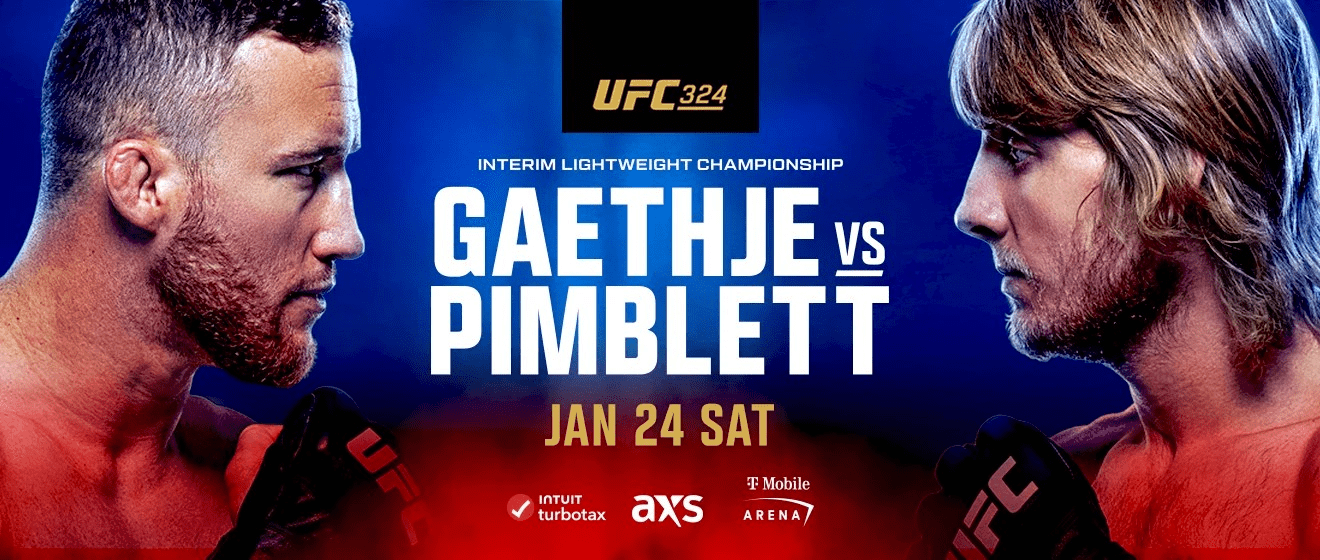
    Justin Gaethje versus Paddy Pimblett, set to headline UFC 324 on 25 January 2026 at the T-Mobile Arena in Las Vegas, is a rare kind of mismatch that invites precision rather than poetry. The bout is for the interim UFC Lightweight Championship, a stopgap title created because the reigning champion, Ilia Topuria, is currently unavailable to defend his belt.

    Gaethje comes into this fight as one of the most experienced competitors in the division, with a professional record of 26 wins and 5 losses. Across those bouts he has scored 20 knockout victories, and his striking statistics reflect that all-action reputation: he lands an average of 6.59 significant strikes per minute with around 60% accuracy, figures that mark him among the sport’s more aggressive strikers. Pimblett, by contrast, is 23-3 overall, undefeated in seven UFC fights, and enters with a momentum few lightweight contenders possess.

    Odds, Early Rundowns, and Incentives

    In the lead-up to the fight, sportsbooks have generally opened Pimblett as the favourite—reflecting his unbeaten UFC run and recent high-profile victories—while Gaethje’s odds are longer, suggesting bookmakers see him as a less likely but still credible threat.

    For people new to MMA betting, it’s worth remembering that odds are a blend of statistical reality and public perception, not prophecies. Around major UFC cards, many casual followers also compare available offers. This often means consulting resources such as a list of sportsbook bonuses on Oddspedia available in Canada, which commentators frame as a way of weighing incentives rather than chasing unrealistic payouts.

    In simple terms, bonuses and promotional perks don’t affect the fight itself, but they can influence how some spectators choose to engage with the market. Always read the conditions attached to such bonuses before assuming they improve your edge.

    Gaethje: The Old But Still All-Action Warrior

    Gaethje’s presence in the octagon still feels significant precisely because he throws so much at his opponents. His strike output—a heady 6.59 significant strikes landed per minute—is higher than most of his lightweight peers, and his standing as a former interim champion gives his résumé historical texture. He also has a strong takedown defence rate close to 68%, making it difficult for many wrestlers to keep him grounded.

    What happens when Gaethje lands matters as much as how often he does. His 20 official knockouts speak to both accuracy and power, but they also underline a stylistic reality: his fights are designed to be felt, not merely watched. He’s the kind of fighter who demands that the narrative of any round be written in impact rather than nuance.

    Pimblett: Momentum and Muscular Confidence

    Pimblett’s trajectory has been less about refinement and more about ascent. Since arriving in the UFC in 2021, he has steadily climbed the lightweight rankings, entering this fight at No. 5 in divisional standings and with his UFC record unblemished at 7–0. His significant strike rate is lower than Gaethje’s—roughly 5.19 per minute—but his accuracy and versatility, particularly once the fight hits the mat, distinguish him from many peers.

    What Pimblett lacks in gaudy output he compensates for with grappling options and submission attempts that outpace many in the division. His style rewards transitions and opportunistic positioning; in the language of MMA metrics, he is a threat wherever the fight goes. Many have written him off or stated that he would be found out in his next fight, yet his varied pedigree continues to defy critics. That dual-threat element will be pivotal against an opponent who has historically favoured stand-up war.

    Stylistic Clash: Stand-Up vs. Scramble

    In mixed martial arts, the simplest question often carries the most weight: where does the fight take place? Gaethje has clearly lived and prospered on his feet, with striking stats that dwarf average divisional figures and a track record of forcing pace. Pimblett’s comfort in scrambles and submissions introduces a stylistic complication — one that might not eliminate Gaethje’s power but could mitigate its effect.

    If Pimblett brings this fight to the mat and keeps it there, he might neutralize Gaethje’s power bombs. If Gaethje keeps the fight upright and punishing, he leans into his strengths. This fundamental tension gives the matchup its narrative, its tension and, quite possibly, its outcome.

    Experience vs. Momentum

    There is also an age and mileage component. At 37, Gaethje is approaching the later stages of a career defined by durability and carnage. Pimblett, at 30, is more ascendant than settled — less burdened by past wars, though untested against gauntlet-level grapplers and power strikers as Gaethje has faced. These aspects will not show up on the scorecards, but they whisper through every betting line and fight-night headline.

    Whatever happens on January 25, this fight will tell us something about the lightweight division’s evolving hierarchy: whether experience and tried instinct still trump youthful confidence and stylistic adaptability. For the casual observer and the numbers-minded alike, that is what makes this bout more than just a statistic, but a story in motion.

  • Breaking Into WWE What It Really Takes to Go Pro in Modern Wrestling Today

    Breaking Into WWE What It Really Takes to Go Pro in Modern Wrestling Today

    How to Turn Pro and Land a WWE Contract

    Turning pro in wrestling is one of the gutsiest, most brutal grinds in sports entertainment – no two ways about it. But look at the proof in the pudding: our own Rhea Ripley kicked off in a little Adelaide indie joint and now she’s smashing it as a multi-time world champ on the grandest stages.

    Bronson Reed came up the same hard yakka way through Aussie indies before going massive in NXT and holding his own on the main roster.

    Even a yank like Seth Rollins put in years as Tyler Black in Ring of Honor, honing his craft until WWE finally came knocking.

    As of late 2025, WWE’s still on the hunt big-time, running tryouts down at the Performance Center in Orlando and rolling out the expanded WWE ID program that teams up with top indie schools all over the world.

    Hundreds of hopefuls rock up every cycle, but the blokes and sheilas who stick to a proper game plan give themselves a fair dinkum shot.

    Do You Have What It Takes? Physical and Mental Requirements

    Pro wrestling demands peak physical conditioning alongside unbreakable mental strength. Most successful recruits arrive with proven athletic backgrounds that develop raw power, speed, and endurance.

    • Bianca Belair shifted from collegiate track and field, channelling explosive athleticism into her signature style.
    • Kurt Angle entered with Olympic wrestling credentials, setting a technical benchmark.
    • Gable Steveson demonstrates how elite amateur experience translates directly to professional success.

    WWE typically targets candidates over 18 with documented sports histories. Recruitment statistics reveal intense competition – open tryouts attract large numbers, yet only top performers advance.

    Mental qualities prove just as vital: natural charisma for connecting with audiences, resilience through constant travel and criticism, and a deep appetite for high-stakes confrontations.

    Keeping That High-Stakes Rush Alive Between Training and Matches

    The intensity of epic battles and championship drama often carries over into downtime for those building wrestling careers. Many discover online pokies deliver comparable excitement through vibrant themes centred on victory and showdowns.

    Popular options include Aussie online pokies with strong wrestling influences:

    • Hulkamania, packed with Hulk Hogan signatures, belt scatters, leg-drop bonuses, and huge multiplier rounds that feel like a main-event win.
    • WWE Legends: Link & Win, starring legends like The Rock, Stone Cold, and John Cena – complete with jackpot Link features, free spins, and respin mechanics for massive payouts.
    • Lucha Legends, bringing high-flying Mexican lucha action with super wilds, power-up modes, and random multipliers that ramp up the energy mid-game.

    These pokies online recreate ring tension through immersive graphics, quick-spin action, and bonus features mimicking comeback spots.

    Reliable platforms pack hundreds of top-shelf games in the same vein, keeping that buzz of cutthroat rivalries, epic comebacks, and crowning glory alive even on off days.

    Dedicated pokies online au line-ups make jumping into the best stuff dead easy. Everything’s tuned for local punters – buttery-smooth spins, cracking welcome bonuses, and heaps of high-octane rounds.

    Choosing the Right Wrestling School and Mastering the Basics

    Formal training in an established school remains essential – self-taught or backyard methods frequently lead to injuries and flawed fundamentals that stall progress.

    Reputable programs cover critical foundations:

    • Safe bump taking and selling
    • Promo delivery and character development
    • In-ring psychology and match structure

    Australian schools excel for local talent: Riot City Wrestling in Adelaide launched Rhea Ripley’s journey, while EPW in Perth and Pro Wrestling Australia produce consistent prospects.

    Internationally, Cody Rhodes’ Nightmare Factory and Lance Storm Academy have fed multiple stars into WWE pipelines. Structured courses typically run several months, emphasising discipline and gradual progression.

    Gaining Valuable Ring Time and Creating Opportunities

    Consistent performances on the independent circuit build the resume scouts actually review. Regular bookings generate essential match footage, refine timing, and expand professional networks.

    Aspiring wrestlers should prioritise:

    • Securing spots on local cards
    • Filming high-quality highlight packages
    • Attending seminars and camps for extra exposure

    Daniel Bryan logged thousands of indie matches worldwide before Ring of Honor elevation and eventual WWE breakthrough. Similar persistence paid off for countless others.

    Building a Standout Highlight Reel for Scouts

    The final push often hinges on presentation. WWE recruiters routinely screen submitted videos showcasing best work – crisp editing, varied opponents, and clear personality shine through.

    Key elements include recent matches demonstrating improvement, strong selling, and crowd reactions. Many supplement with social media clips and professional photos. Attending WWE ID-affiliated events or extra tryouts provides direct pathways.

    This comprehensive approach – rigorous self-assessment, dedicated schooling, indie grind, polished materials, and persistent networking – transforms regional talents into contracted Superstars.

    With the industry’s ongoing expansion in 2025 and beyond, committed wrestlers from any background can turn ambition into reality through disciplined execution of these proven stages.

  • Biggest Wrestling Events Happening in Canada This Winter

    Biggest Wrestling Events Happening in Canada This Winter

    Canadian wrestling crowds don’t do “polite.” When the right show hits the right city, arenas get loud fast, and the reaction’s closer to a playoff game than a weekly TV taping. This winter is shaping up to be a strong stretch for fans who want big production, major stars, and that uniquely Canadian mix of hype and heckling that makes live wrestling feel like a shared sport.

    The key trend is concentration: promotions are stacking winter calendars around fewer, larger destination weekends rather than scattered one-off dates. That makes planning easier for fans, and it turns select cities into true wrestling hotspots for a couple of days at a time. Here’s what’s worth circling on the calendar, plus how to make the most of the season.

    WWE takes over Montreal with two-night Bell Centre run

    Not a bad headline for Canadian fans this winter: WWE is going back-to-back, taking over the Bell Centre in Montreal. This past week, the company announced a Friday Night SmackDown on Friday, January 23, 2026, followed by Saturday Night’s Main Event on Saturday, January 24, 2026, both at the Bell Centre.

    Why this matters:

    • Montreal’s a “big fight” city when it comes to wrestling-knowledgeable fans, loud reactions, and a history of memorable nights.
    • A two-night run encourages stacked cards and higher production energy, since WWE can build momentum across the weekend.
    • For travellers, it’s a clean plan: fly on Friday, stay Saturday, then out Sunday.

    Practical tip: Combo ticket packages and staggered on-sale phases may affect availability and pricing, so fans are advised to pay close attention to official sources.

    The real winter story is event weekends, not just single shows.

    It’s what wrestling promotions today are all about: the “weekend takeover” effect. When a city hosts events timed closely together, fans get more than one night of action, and promoters can justify stronger production and marketing.

    What does that mean for Canadian winter crowds:

    • More destination travel: fans pick one big weekend rather than several small trips
    • Better atmosphere since visiting fans filled out sections and increased volume.
    • More social energy around meetups, merch lines, and pre-show gatherings

    This, then, is where weekends land best for Canadian cities with strong venues and transit, especially during winter when people do not want to travel repeatedly.

    How about AEW in Canada this winter?

    As of early December 2025, AEW’s official list of upcoming events shows major late-December programming and early 2026 dates, but listed events are in the United States, the UK, and Australia rather than Canada.

    That may change as tours are added, but it means Canadian fans hoping for an AEW winter stop should keep expectations flexible and monitor official updates.

    The silver lining is that Canada remains a proven market for AEW, with past major events in Toronto underscoring the demand from fans.

    Independent wrestling: the local cards that quietly steal the weekend

    That’s often where winter wrestling feels most personal: Canada’s independent scene. Smaller venues bring a different energy: closer sightlines, louder chants, and a sense of discovering the “next” name before they hit TV.

    Ontario, for example, runs long-term promotions across several communities and often has easier access to casual fans.

    How to approach indie shows in winter:

    • Look out for holiday specials and New Year cards that are usually in a pile.
    • Prioritize those venues with good parking or transit because winter weather changes everything.
    • Treat it like a night out: smaller crowds usually mean better merch access and quick meet-and-greet moments.

    How to plan a winter wrestling trip without regrets

    Winter travel adds friction: delays, bad roads, and higher hotel rates on peak weekends. A few practical moves make a big difference:

    • Book refundable lodging when possible, especially for January dates.
    • Arrive the day before a ‘must-see’ show if the weather risk is high.
    • Check door times and start times carefully; big arena shows are on a tight schedule.
    • Budget for merch and food; arena prices are rarely gentle.

    For fans who like to keep entertainment rolling between shows (or while travelling), there’s also a growing ecosystem of digital options tied into sports-style viewing habits. Some readers use online-casinos.com Canadian roulette sites as a general comparison resource while browsing roulette formats and related casino entertainment.

    Final bell: One mega weekend can define the season 

    The biggest Canadian wrestling headline this winter is undoubtedly Montreal’s WWE doubleheader: a two-night Bell Centre run that has all the ingredients for a “remember where you were” weekend. Beyond that, the smart play is to watch for indie cards and any late-added tour announcements, because winter schedules tighten up fast, and the best nights sell out well before anyone expects. 

    Canada doesn’t just host wrestling; it elevates it. And this winter, the loudest cities will remind everyone why.