Category: Editorials

In-depth wrestling editorials, opinion pieces, and analysis from the BodySlam writing team.

  • Beyond the Fight: Exploring the Culture, Training, and Lifestyle of UFC Athletes

    Beyond the Fight: Exploring the Culture, Training, and Lifestyle of UFC Athletes

    When most people think of UFC athletes, they picture intense fights, explosive power, and unmatched discipline inside the Octagon. But what happens beyond those bright lights is equally fascinating. UFC athletes live complex, structured, and highly intentional lives that shape everything from the way they train to how they recover and connect with their communities. Their world is a blend of science, culture, personal identity, and lifestyle choices that all contribute to who they are as fighters and as individuals.

    Before diving deeper into the training routines and behind-the-scenes culture, here are 5 key elements that define the lifestyle of UFC athletes:

    1. A Deeply Rooted Training Culture

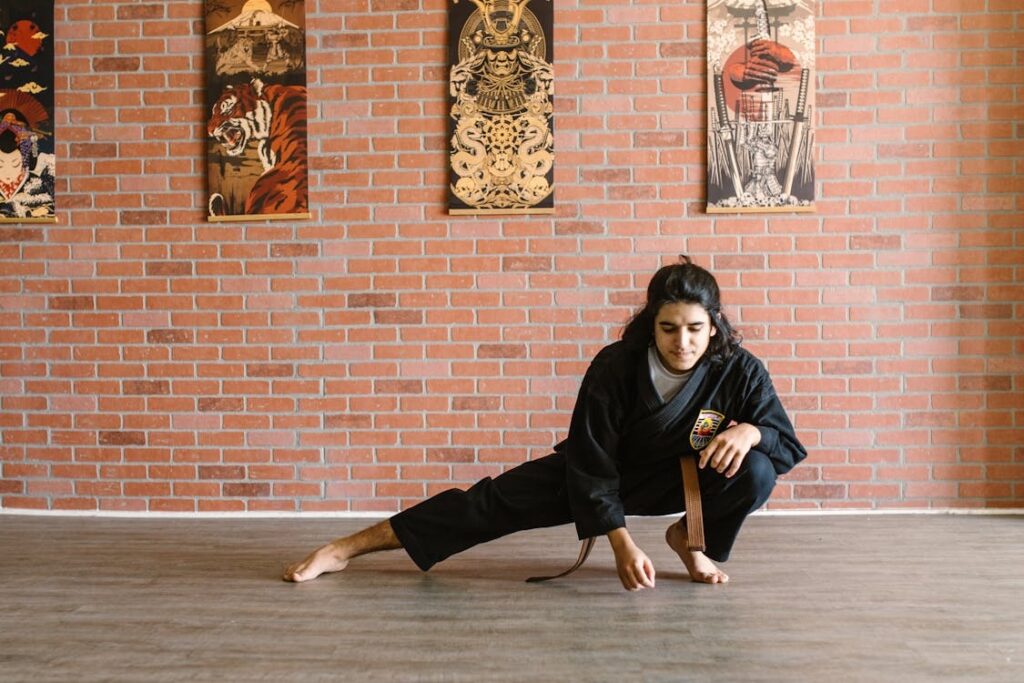
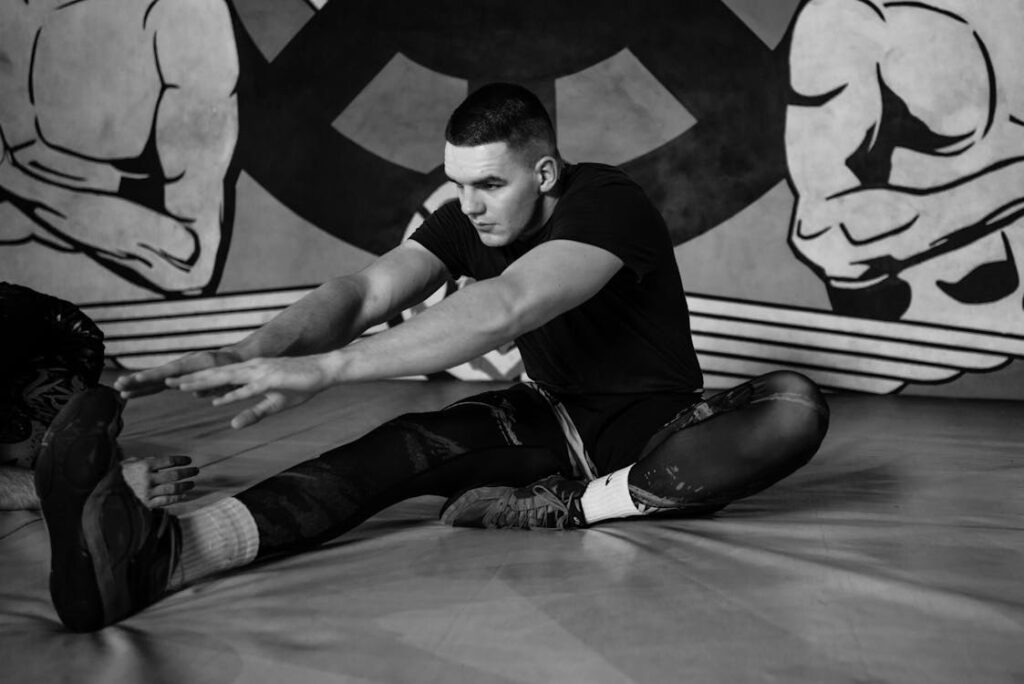
    For UFC athletes, training is more than a daily requirement—it’s a lifestyle. Training camps can last six to twelve weeks, often involving early mornings, late evenings, and multiple sessions a day. Whether it’s grappling, striking, wrestling, strength work, or conditioning, every drill plays a role in shaping a fighter’s confidence and performance. Beyond the physical demands, the culture inside gyms is built on respect, mentorship, and constant evolution. Many fighters form lifelong bonds with their coaches and training partners, treating their gyms like second homes.
    2. A Discipline-Driven Diet & Nutritional Lifestyle

    UFC fighters must fuel their bodies strategically, especially when preparing for weigh-ins or cutting weight. Their diets are built around clean and balanced foods that support endurance, conditioning, and recovery. Although the specifics may vary from athlete to athlete, the underlying principle is consistency. Outside of fight camps, many fighters allow themselves more flexibility, but their long-term lifestyle still centers on healthy choices. The discipline they apply to nutrition mirrors the discipline they bring into training—and ultimately into the Octagon.

    3. A Mindset Centered on Mental Strength

    Mental training is as vital as physical conditioning for UFC athletes. Beyond the fight, many of them practice visualization, mindfulness, meditation, or breathing exercises to stay calm under pressure. They navigate stressful media obligations, online commentary, expectations from fans, and the emotional weight of winning or losing. Developing a strong mental foundation helps them manage the ups and downs of the sport while staying grounded in their goals. This mindset also carries into their personal lives, teaching them resilience, focus, and the importance of self-awareness.

    4. A Lifestyle Built on Recovery & Rituals

    Recovery isn’t optional—it’s a part of the job. UFC fighters rely on intentional routines to keep their bodies functioning at peak condition. Ice baths, stretching, massages, sleep optimization, sauna sessions, and mobility work are all staples of a fighter’s week. Beyond these physical recovery tools, many also turn to lifestyle rituals—like journaling, quiet morning routines, or downtime with family—to reset between intense training sessions. These moments of balance help them maintain emotional stability and prevent burnout.
    5. A Strong Connection to Community & Culture

    UFC athletes often draw inspiration from their heritage, communities, and personal stories. Whether they come from combat sports backgrounds, tight-knit families, or unique cultural traditions, these influences shape their identities as fighters. Many athletes use their platform to give back—through youth coaching, charity work, speaking engagements, fitness programs, and social initiatives. Their lives are intertwined with the people who shaped them, and they often carry those values proudly into every fight.

    Mocktails as a Flavorful Addition to Training Life

    Some athletes also include beverages like a simple kratom drink in their personal routines during downtime outside of training. For those who prefer alcohol-free options, exploring mocktail recipes can be an enjoyable way to add variety to their beverages. Whether it’s a fruity blend shared with teammates or a creative mix enjoyed after a long day, mocktails give fighters a flavorful option that fits easily into their everyday lifestyle.

    Beyond Training: The Human Side of UFC Fighters

    Behind every fighter is a person with dreams, fears, family ties, and personal passions. Many UFC athletes spend their downtime relaxing with loved ones, gaming, exploring hobbies, or even creating content online. Their lives aren’t defined solely by what happens inside the Octagon—they’re shaped by the relationships and experiences they cultivate outside of it.

    Some athletes use their platform to mentor young fighters, while others travel, explore wellness practices, or build businesses. Many also enjoy everyday activities just like anyone else—listening to music, cooking, hiking, or watching movies. This human side often goes unnoticed, yet it’s deeply connected to how they perform as athletes. When they find joy, balance, and purpose beyond fighting, it strengthens the mental and emotional resilience they bring to their careers.

    Wrapping Up

    The world of UFC athletes goes far beyond the punches, kicks, and takedowns fans see on fight night. Their lives revolve around discipline, culture, recovery, mental strength, and personal growth. They balance grueling training camps with human moments of rest, connection, and creativity—sometimes even through simple pleasures like mocktail recipes shared with friends. Understanding what happens beyond the fight gives us a deeper appreciation for what it takes to thrive in one of the world’s most demanding sports. UFC athletes are not just fighters—they are storytellers, role models, and individuals striving for excellence both inside and outside the Octagon.
  • Rising to the Top: A Look at Reinier de Ridder

    Rising to the Top: A Look at Reinier de Ridder

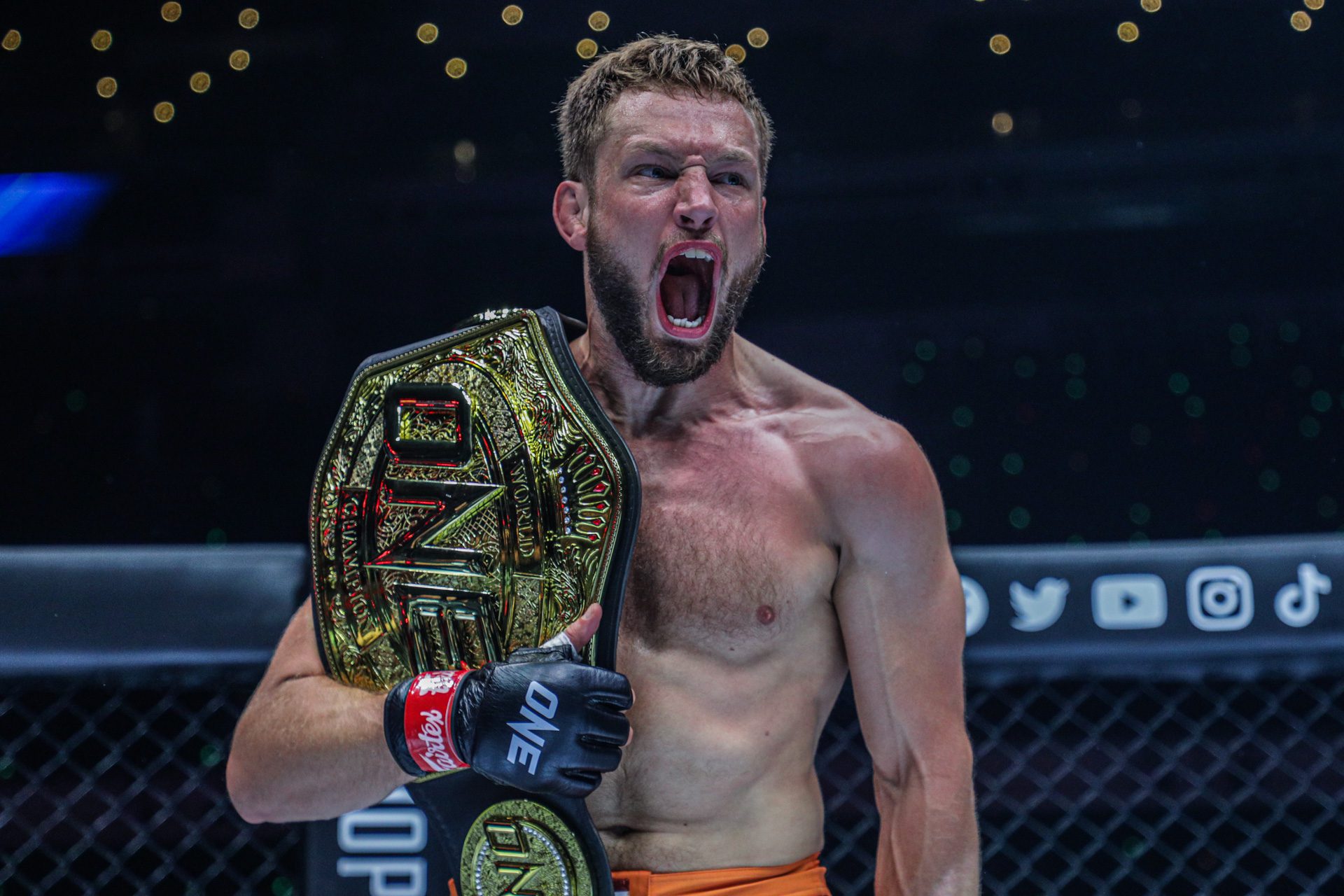
    Reinier de Ridder is not your typical MMA fighter. He is a two-division world champion with a black belt in jiu-jitsu and a medical background. That combination of intellect and athleticism has helped him rise quickly in the fight world, dominating opponents through skill and strategy rather than brute force.

    While some fighters climb the ranks through self-promotion, de Ridder lets his performances speak for themselves. In a sport where hype often overshadows talent, he proves that calm and calculated fighters can still reach the top. This article takes a closer look at his journey, achievements, and what might be next for “The Dutch Knight.”

    The Unlikely Rise: From Medical Studies to Martial Arts

    Reinier de Ridder’s journey to MMA stardom did not begin in a gym. It started in a medical school classroom in the Netherlands. While studying to become a doctor, he quietly sharpened his skills in Brazilian jiu-jitsu.

    What began as a passion soon became a serious calling. Before long, he boldly decided to leave behind a stable medical career for the unpredictable world of professional fighting. Like the players who study patterns and approach online slots platforms with discipline, de Ridder relied on preparation and precision rather than chance.

    De Ridder did not make the jump blindly. Like a skilled player reading the game, he calculated his odds, worked tirelessly, and bet on himself. His steady rise through the MMA ranks demonstrates what can happen when preparation meets opportunity.

    Today, he stands as a two-division champion and a testament to the idea that unconventional choices, backed by dedication, can lead to extraordinary outcomes.

    The Fighting Style: Technique Over Brute Force

    Watching Reinier de Ridder fight reveals he does not rely on power punches. His victories come from control, leverage, and technique. A grappling and submission specialist, de Ridder has accumulated wins through inverted triangle chokes, arm-triangles, rear-naked chokes, and other refined submissions. Twelve of his professional victories have come by submission.

    Jiu-jitsu sits at the heart of his approach. He blends smooth transitions, positional dominance, and timing to force opponents into errors. Rather than relying solely on strength, he uses intelligence and patience to control the pace of each contest. Against wrestlers or strikers, his goal is to close the distance, bring the fight to the ground, and dictate where it unfolds.

    Many other technical fighters use similar strategies. These athletes do not depend on raw power but instead outthink and outmanoeuvre their opponents. In de Ridder’s case, he often capitalises on overextension or weak defence, turning seemingly neutral exchanges into submission setups.

    Career Highlights and Championships

    Reinier de Ridder’s climb through the MMA ranks is filled with performances that captured attention. His most notable success came in ONE Championship, where he achieved some of his most significant milestones. In October 2020, he submitted Aung La Nsang to claim the ONE Middleweight World Title.

    He did not stop there. In April 2021, he stepped in and defeated Aung La Nsang again to capture the ONE Light Heavyweight World Championship. The win made him the third fighter in ONE history to hold two division titles simultaneously.

    De Ridder successfully defended his belts with submission victories over opponents such as Kiamrian Abbasov and Vitaly Bigdash. Competing across two weight classes showed he was not a “win one, move up” athlete. He demonstrated that he could maintain dominance in both divisions. His ability to handle pressure, adjust his training methods, and meet the strategic demands of balancing multiple championships stood out.

    When he later moved to the UFC, his reputation from ONE followed him. Fans and analysts alike were eager to see if he could maintain that championship mindset on the sport’s biggest stage.

    Current Standing in the MMA World

    Reinier de Ridder is currently enjoying strong momentum in the MMA world. Since joining the UFC, he has secured four wins without a loss, defeating veterans such as Gerald Meerschaert and Kevin Holland with smooth submissions and decisive finishes.

    Most recently, he earned a split-decision victory over former champion Robert Whittaker, which drew significant media attention. That result cemented his status as a serious contender in the middleweight division.

    His home base remains Combat Brothers in the Netherlands, a gym known for its grappling excellence. De Ridder’s training camps focus on integrating technique, strength, and adaptability to prepare him for multiple fighting styles. Observers often highlight his composure under pressure and the precision of his transitions. With a promising matchup against Brendan Allen scheduled for UFC Vancouver, many expect this fight to determine whether he can break into the elite tier of his division.

    What’s Next: Upcoming Fights and UFC Possibilities

    De Ridder’s next appearance is confirmed. He will headline UFC Vancouver on 18 October 2025 against Brendan Allen, following Anthony Hernandez’s withdrawal due to injury. The matchup offers another high-stakes test and could move de Ridder closer to a title shot if he continues his unbeaten run.

    Speculation about future matchups is already building. Big names such as Khamzat Chimaev have been mentioned as possible opponents. Given de Ridder’s dual-champion success in ONE, many fans are curious to see if he can achieve similar dominance within the UFC.

    The challenges ahead remain significant. He must adapt to the depth of talent in the UFC, manage potential injuries, and maintain consistency. Yet de Ridder possesses a rare chance to build a legacy as a fighter who bridged two major organisations and succeeded in both.

    The Calm Force Redefining MMA

    Reinier de Ridder’s story illustrates how discipline and strategy can outshine hype and brute strength. From medical student to two-division world champion, he has taken calculated risks and transformed them into victories. With his upcoming UFC challenges on the horizon, “The Dutch Knight” is not simply chasing wins. He is shaping a legacy that may redefine what it means to be a thinking fighter in mixed martial arts.

  • How Fighters and Promoters Are Using Online Sweepstakes to Engage Fans

    How Fighters and Promoters Are Using Online Sweepstakes to Engage Fans

    In the fast-changing world of sports promotion, digital engagement has become an essential part of connecting with fans. Fighters and promoters are turning to creative strategies that go beyond traditional marketing methods, and one approach gaining significant traction is online sweepstakes. These campaigns not only bring fans closer to the action but also create a sense of community around fighters and their events. By offering exclusive prizes and interactive opportunities, sweepstakes are reshaping how combat sports cultivate loyalty and excitement among their audiences.

    The Rise of Online Sweepstakes in Sports Promotion

    The popularity of online sweepstakes has grown rapidly across the sports industry as fans increasingly seek interactive experiences. Promoters are using technology to provide unique opportunities that extend far beyond standard ticket sales. By tapping into digital platforms, fighters and their teams can reach broader audiences and deliver added value to fans. For example, resources like this list of sweepstakes casinos USA highlight how online sweepstakes are expanding across entertainment sectors and fueling engagement. Social media has further accelerated this trend, making campaigns more shareable and capable of reaching viral levels. This transformation underscores a new era where sweepstakes play a pivotal role in sports marketing.

    Why Fighters Are Embracing Online Engagement Strategies

    Competition for fan attention is fierce, and fighters increasingly recognize that online engagement strategies help them stand out. Sweepstakes provide a direct way to connect with fans, giving them experiences such as signed memorabilia, behind-the-scenes access, or free event tickets. These opportunities not only enhance a fighter’s brand but also build stronger bonds with supporters. Personalized interactions increase loyalty and contribute to greater ticket sales, merchandise purchases, and overall visibility, making sweepstakes a valuable addition to promotional efforts.

    Key Benefits of Online Sweepstakes for Fans and Fighters

    Sweepstakes generate excitement on both sides of the equation. For fans, the chance to win exclusive prizes heightens anticipation and deepens their connection to favorite fighters. The possibility of unique experiences turns spectators into active participants in the fight buildup. For fighters and promoters, sweepstakes double as an effective marketing tool. Participation data can help refine promotional strategies and target audiences more accurately. Most importantly, these campaigns nurture loyalty, encouraging fans to continue supporting future events and engaging with fighter brands over the long term.

    Best Practices for Implementing Successful Sweepstakes

    For online sweepstakes to succeed, fighters and promoters must adhere to proven best practices. Transparency builds trust, so clearly stated rules and terms are essential. Campaigns should also be user-friendly and visually appealing to encourage maximum participation. Social media integration is another critical factor, as it enables fans to share campaigns widely, multiplying their impact. Frequent updates and engaging content help maintain interest throughout the sweepstakes period. For example, in combat sports, platforms like Bodyslam News demonstrate how consistent updates and community-driven coverage can keep fans engaged. Finally, analyzing results after the campaign allows promoters to refine future efforts and maximize returns on investment.

    Case Studies: Successful Sweepstakes Campaigns in Combat Sports

    Real-world examples showcase the effectiveness of online sweepstakes in combat sports. One standout case involved a rising MMA star who partnered with a major promoter to launch a campaign offering fans exclusive access to a training session. The initiative generated significant social media buzz and boosted ticket sales. Another example came from a high-profile boxing match, where fans could win travel packages and VIP event access. The campaign created strong pre-event excitement while leaving lasting impressions that built loyalty among participants. These cases demonstrate how personalized, well-executed sweepstakes can drive engagement and elevate promotional outcomes.

    Challenges and Ethical Considerations in Online Sweepstakes

    Despite their benefits, online sweepstakes require careful management to avoid pitfalls. Transparency and fairness must remain priorities to ensure all participants feel they have an equal chance of winning. Data privacy is another key concern, as fan information collected during campaigns must be handled responsibly and in compliance with regulations. Accessibility also matters, as limiting participation risks alienating segments of the fan base. By balancing engagement goals with ethical practices, fighters and promoters can run campaigns that are both successful and sustainable.

    Conclusion

    Online sweepstakes are becoming a cornerstone of engagement in combat sports, giving fans unique opportunities to connect with fighters while helping promoters amplify their reach. From offering exclusive experiences to strengthening loyalty, these campaigns are redefining how fighters build their brands and how fans experience the sport. By following best practices and addressing ethical considerations, sweepstakes can deliver long-term value for both sides. As technology continues to shape fan interaction, online sweepstakes will remain a powerful tool in the evolving landscape of combat sports promotion.

  • Women’s MMA: The Rise of Female Fighters and Its Future

    Women’s MMA: The Rise of Female Fighters and Its Future

    Mixed martial arts (MMA) has long been a sport celebrated for its intensity, strategy, and raw physicality. Yet, for decades, women were largely sidelined, relegated to exhibition bouts or considered too niche to draw significant attention. That changed dramatically in the 2010s, thanks to pioneers like Ronda Rousey, Cris Cyborg, and Amanda Nunes, whose talent and charisma not only elevated women’s MMA but also challenged societal perceptions about female athletes in combat sports.

    Ronda Rousey’s meteoric rise in the UFC is legendary. With an Olympic judo background and a ferocious armbar submission game, she quickly became the face of women’s MMA. Her fights consistently headlined events, proving that female bouts could generate revenue, sell tickets, and command mainstream media attention. Meanwhile, Cris “Cyborg” Justino brought an unmatched level of aggression and power to the sport, dominating her opponents and forcing fans and promoters alike to recognise women’s MMA as a serious competitive arena.

    Amanda Nunes further solidified the legitimacy of female fighters. As the first woman to hold UFC titles in two weight classes simultaneously, Nunes demonstrated versatility, skill, and resilience that transcended gendered expectations in combat sports. Collectively, these athletes did more than win fights—they shattered glass ceilings, inspired a generation of young women to consider MMA as a viable career, and helped open doors for promotional support, including sponsorships and mainstream visibility, similar to other competitive arenas like great online casinos in Canada on casinority.com, where exposure and credibility can define the opportunities available to participants.

    These trailblazers not only achieved personal glory but also laid the foundation for the growth of women’s MMA, transforming it from a marginal attraction to a sport with global relevance.

    How women’s MMA evolved from an afterthought to a main event draw

    Initially, women’s MMA was often viewed as a novelty. Early promotions treated female bouts as filler, rarely giving them prime time or significant promotional resources. Yet, public appetite for competitive, high-stakes matches among female fighters quickly dispelled these assumptions. Television ratings, ticket sales, and social media engagement revealed that audiences were hungry for authentic displays of skill, strategy, and athleticism, irrespective of gender.

    The UFC’s decision to integrate women into mainstream events marked a turning point. Rousey’s debut, for example, not only drew unprecedented pay-per-view numbers but also sparked conversations about fighter marketability and the economics of promotion. As female fighters delivered consistent, exciting performances, other promotions followed suit, investing in women’s divisions and providing platforms for rising talent.

    Social media also played a crucial role. Female fighters built global fanbases, sharing training regimens, personal stories, and fight highlights directly with audiences. This digital presence helped democratise the sport, allowing talent to bypass traditional gatekeepers and cultivate loyalty among fans worldwide.

    Key milestones in the evolution include:

    • UFC’s first female fight card headliner (Rousey vs. Tate, 2013);
    • Global expansion of women’s divisions across promotions such as Invicta FC and Bellator;
    • Rising media coverage and sponsorships highlighting female athletes as headline draws.

    These developments cemented women’s MMA as more than an afterthought; it became a legitimate, crowd-pulling component of modern combat sports.

    The biggest challenges female fighters still face

    Despite impressive strides, female fighters continue to encounter systemic challenges that impede parity with male counterparts. Pay disparity remains a significant issue. While top-tier fighters like Amanda Nunes command lucrative purses, many female fighters earn considerably less than their male equivalents, even when performing on the same cards. This discrepancy affects training resources, career longevity, and overall financial security.

    Visibility is another hurdle. Media coverage, while improving, still skews toward male fighters. Television promotions often allocate less prime-time exposure to women’s bouts, and major sponsorship deals remain less frequent for female athletes. In a sport where branding can directly impact earnings and post-fight opportunities, this imbalance can hinder career development.

    Additionally, societal biases persist. Female fighters frequently confront outdated stereotypes regarding femininity, physicality, and the perceived marketability of women in combat sports. These biases influence matchmaking decisions, promotional narratives, and even fan engagement, creating an additional layer of pressure beyond the physical demands of the sport.

    Challenges extend into health and safety considerations as well. Women often face insufficient resources tailored to weight management, injury prevention, and recovery, given that much of the sport’s infrastructure was historically designed around male physiology.

    Despite these obstacles, female fighters demonstrate remarkable resilience. Their persistence underscores the ongoing need for structural reforms, equitable promotion, and targeted investment to ensure that talent—not gender—dictates opportunity and recognition in MMA.

    Next-gen stars: Who’s leading the new wave?

    The foundations laid by pioneers have cultivated a new generation of female fighters ready to define the future of MMA. Athletes such as Valentina Shevchenko, Zhang Weili, and Rose Namajunas exemplify the evolution of skill, strategy, and global reach in the sport. These fighters bring unique combinations of striking precision, grappling sophistication, and fight IQ that elevate competition to unprecedented levels.

    Valentina Shevchenko’s dominance in the flyweight division showcases tactical mastery, blending Muay Thai, kickboxing, and grappling in seamless fashion. Zhang Weili has introduced explosive striking and a relentless pace, capturing the attention of both Asian and international audiences. Rose Namajunas combines agility, mental fortitude, and innovative techniques, demonstrating that the sport’s future is not solely defined by physical strength but also by strategic creativity.

    These next-generation stars illustrate broader trends shaping women’s MMA:

    • Globalisation of talent pools, with elite fighters emerging from diverse regions;
    • Greater emphasis on cross-disciplinary training for holistic fight preparation;
    • Use of sports science and analytics to optimise performance, recovery, and strategy.
    Fighter Division Notable Achievements
    Valentina Shevchenko Flyweight Multiple title defences, tactical dominance
    Zhang Weili Strawweight First Chinese UFC champion, explosive style
    Rose Namajunas Strawweight Innovative techniques, two-time champion

    As these athletes take the spotlight, they reinforce that women’s MMA is not a novelty but a vibrant, technically sophisticated, and globally competitive sport poised for continued growth.

    Will women’s MMA reach the same level as men’s?

    The trajectory of women’s MMA suggests a future where parity with men’s divisions is attainable—but not inevitable. Commercial success, audience engagement, and fighter performance indicate that women’s fights are capable of headlining marquee events and generating pay-per-view revenue comparable to male counterparts. However, structural changes are necessary to solidify this progress.

    Areas requiring attention include equitable pay, media representation, and investment in grassroots development. Ensuring that female fighters receive the same marketing support, sponsorship opportunities, and training infrastructure as male fighters will be critical. Additionally, expanding global talent pipelines through dedicated academies and development programs can strengthen competition and deepen fan engagement.

    Technological integration also plays a role. Enhanced analytics, virtual training environments, and injury prevention tools can elevate performance levels and reduce barriers to longevity in the sport. As women’s MMA continues to innovate both inside and outside the cage, it can attract mainstream attention, sponsorship dollars, and fan loyalty on par with men’s divisions.

    The cultural dimension cannot be ignored. Changing societal perceptions about women in combat sports, embracing narratives that celebrate athleticism and skill rather than novelty, and fostering inclusive fan communities will ensure sustainable growth.

    In essence, the future of women’s MMA hinges on a combination of athlete excellence, structural equity, and cultural recognition. If these factors align, female fighters will not only compete at the same level as men but also inspire a generation of athletes and fans who see no boundaries to what women in MMA can achieve.