Category: Editorials

In-depth wrestling editorials, opinion pieces, and analysis from the BodySlam writing team.

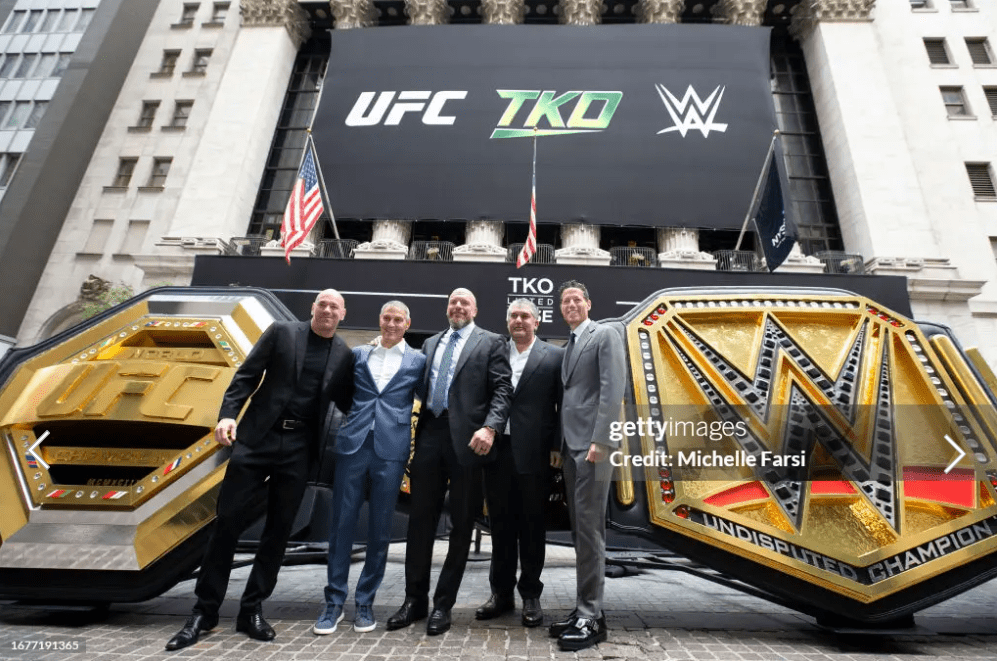
  • WWE Under TKO – Scale, Control, and the Insulation of Power

    WWE Under TKO – Scale, Control, and the Insulation of Power

    An institutional autopsy of structural dominance, moral hazard, and the accountability deficit in professional wrestling.

    Rationale – Necessity of Structural Analysis

    This inquiry intentionally departs from the traditions of the personal wrestling editorial or event-driven critique. In the post-2023 climate, WWE no longer operates as a mere sports-entertainment promotion; it functions as a sophisticated, vertically integrated conglomerate within the TKO Group Holdings framework. Consequently, traditional narratives focused on ‘creative quality’ or fan sentiment are insufficient to map the entity’s true impact.

    We adopt a forensic institutional lens for three specific reasons:

    1. Objectivity over Affect: By utilising institutional terminology—such as ‘Yield Optimisation’, ‘Institutional Decoupling’, and ‘Narrative Capture’—we move the discourse from the subjective (how the product feels) to the objective (how the system functions).

    2. Synthesis of Disparate Risks: A standard editorial often fails to bridge the gap between ticket pricing, sex trafficking litigation, and federal policy. This format allows for a synthesis of interdependencies, demonstrating how these seemingly unrelated factors interlock to form a protective shield for the corporation.

    3. Governance as a Primary Metric: In any high-performing organisation, accountability and internal controls are the primary drivers of long-term health. When these are bypassed in favour of algorithmic success, it signals a systemic transformation that demands a rigorous, evidence-led diagnostic rather than an editorial opinion.

    Abstract

    In 2025, WWE achieved record revenues of £1.37 billion ($1.709B)—a 22% increase—coinciding with the strategic migration of Premium Live Events (PLEs) to ESPN’s new streaming platform and the global consolidation of content onto Netflix. This fiscal ascent exists in stark contrast to deepening legal risks, including the April 2026 Janel Grant affidavit and ongoing Delaware Court of Chancery litigation. Through vertical integration, geopolitical site fees, and unprecedented political proximity, WWE has transitioned from a market-dependent promotion into a sovereign corporate entity. This system effectively converts commercial scale into structural immunity, insulating the platform from fan backlash, leadership scandals, and traditional market feedback.

    I. The Streaming Duality: Privatising the Audience

    The 2026 media landscape marks the end of WWE as a public-facing ratings entity and its birth as a proprietary data asset. By migrating its global library to Netflix and its domestic PLEs to ESPN’s direct-to-consumer platform, TKO has rendered the ‘Fan Referendum’ invisible. Public dissatisfaction no longer translates into visible ratings declines; it is buried within opaque proprietary data sets, allowing the company to dismiss localised apathy as algorithmic noise. Furthermore, as a core pillar of the Disney-backed sports bundle, WWE operates akin to a SaaS (Software as a Service) model. This integration into the ‘Disney Defence’ ensures that recurring revenue remains functionally decoupled from the immediate creative or ethical quality of the product.

    II. Yield Optimisation and the Gentrification of Extraction

    WWE’s 2025–2026 strategy prioritises inelastic equity extraction over audience cultivation. Average domestic ticket prices reached £95 ($118) in 2025, a real-term doubling since the merger. While WrestleMania 41 achieved a £53 million gate, WrestleMania 42 shows a 19.3% lag in distribution as of April 2026, suggesting the system has reached a utility ceiling. This aggressive pricing constitutes the deliberate gentrification of the live event, pricing out the core fan base in favour of a corporate-tourist demographic. To compensate for the resulting sterile atmosphere, the system relies on crossover celebrities like Logan Paul to generate viral digital impressions—a cycle that further alienates the core audience whose vocal energy historically constituted the product’s primary aesthetic value.

    III. Labour Integration: The ‘UFC-isation’ of Talent

    Standardised TKO master agreements, implemented following the 2025 UFC antitrust settlement, have codified a new era of labour subjugation. Contracts now routinely include clauses for AI-generated digital replicas, ensuring the ‘Superstar IP’ can survive the biological ageing, injury, or termination of the human actor. This technological moat serves as the ultimate corporate contingency against individual talent leverage or public cancellation. Simultaneously, through the acquisition of AAA and the ‘WWE ID’ programme, TKO has restricted competitive mobility. Independent wrestling no longer functions as a competitor but as a subsidised farm system, ensuring WWE dictates the macroeconomic terms of entry and exit for the entire industry.

    IV. Governance Continuity and the Moral Hazard

    The system’s resilience in the face of the Janel Grant litigation is a critical indicator of its structural insulation. The April 2, 2026, affidavit alleges that current President Nick Khan and former COO Brad Blum were aware of and facilitated a documented culture of misconduct. This joins ongoing Delaware Chancery litigation regarding deleted Signal messages involving Paul ‘Triple H’ Levesque, suggesting a culture where the destruction of evidence is calculated as an acceptable operational cost. TKO has gambled that its £16 billion ($20B) internal valuation provides enough financial gravity to deter structural regulatory intervention, prioritising revenue continuity over the leadership resets typically required by a functional governance framework. This represents a profound moral hazard: the enterprise is now too profitable to be disciplined.

    V. Geopolitical and Institutional Buffering

    WWE’s revenue is increasingly anchored by immovable macro-economic forces that provide reputational buffering. The expansion to four Saudi PLEs in 2026 provides a non-negotiable nine-figure revenue floor entirely immune to domestic consumer boycotts. Domestically, the company enjoys unprecedented political proximity. Linda McMahon’s 2026 ‘final mission’ to dismantle the U.S. Department of Education—having already terminated nearly half the department’s staff—provides a level of institutional legitimacy that severely complicates traditional regulatory or journalistic scrutiny. This proximity functions as a reputational detergent, laundering the corporate image through the highest corridors of American power.

    System Synthesis

    The mechanisms of TKO-era WWE—the Netflix/ESPN distribution duality, the SaaS-style revenue model, the gentrification of live events, and its geopolitical anchors—interlock with total coherence. The system is no longer a promotion competing for fans; it is an integrated fortress. By leveraging informational capture—utilising a proxy press and credentialed talking heads to pathologise legitimate criticism and destabilise competitors—the company has constructed a multi-dimensional shield. This shield protects the executive layer from the consequences of misconduct, the financial layer from fan apathy, and the market layer from genuine competition.

    Conclusion – The Sovereign Verdict

    The forensic evidence suggests that WWE has achieved the ultimate corporate objective: the perfection of a closed-loop monopoly. Through the strategic use of global streaming algorithms, geopolitical guarantees, and political proximity, TKO has successfully neutralised every traditional mechanism of accountability. The fans have lost their vote through aggressive repricing; the talent has lost their leverage through synthetic rights; and the executive leadership has lost its liability through the sheer, unassailable scale of the merger.

    As the company proceeds through 2026, it exists as a perfected commercial vessel—one that can absorb sex trafficking affidavits, federal investigations, and the alienation of its core audience without a single tremor in its stock price. The softening of WrestleMania 42 sales is not an indicator of a failing business, but the final symptom of a completed transformation. The ‘Fortress’ is finished; WWE has outgrown the necessity of the people it was built to entertain, evolving instead into an immutable infrastructure of modern institutional power.

    References (Harvard style)

    Delaware Court of Chancery (2026) In re World Wrestling Entertainment, Inc. Shareholder Litigation.

    Grant v. McMahon et al. (2026) Affidavit of Janel Grant, April 2, U.S. District Court (CT).

    TKO Group Holdings (2026) Fourth Quarter and Full Year 2025 Results.

    U.S. Department of Education (2026) Secretary McMahon statements on ‘Final Mission’ and Departmental Dismantling.

    WrestleTix / Pollstar (2026) Comparative Analysis: WrestleMania 41 vs. WrestleMania 42 Ticket Velocity.

    CNBC / ESPN (2025) WWE Domestic Streaming Rights Agreement: 2026 Transition.

  • BodySlam: A Fresh Coat of Paint

    Now is no time to think of what you do not have. Think of what you can do with what there is.”

    — Ernest Hemingway, “The Old Man and the Sea (1952)


    In December 1922, a train robbery at the Gare de Lyon train station in Paris, France, changed the life of future literary giant Ernest Hemingway. Hadley Richardson, his first wife, was en route to meet him in Switzerland when a suitcase full of his short stories and carbon copies was lost in the chaos. 

    Instead of giving up, Hemingway resolved to recreate what he could of his missing work. He had time, but needed to make up for what was stolen from him, so he pivoted. His writing style changed; the sentences became shorter, the paragraphs less messy, and the prose became easier to digest. A personal disaster became a revelation, begetting much-needed upgrades.

    BodySlam, for the uninitiated, was funded by Cassidy Haynes. Our platform has seen many put fingers to keyboard from photographers, writers, interviewers, podcasters, and scoopsters. Our work is sourced by many, and its contributors have collaborated, even worked for other outlets. It was BodySlam that broke the news that Bryan Danielson would join AEW in 2021. If you’ve come across witty pieces about people with bad takes like Disco Inferno, odds are you have visited our site. Articles recapping incredible matches, profiling wrestlers, or giving biting commentary on the wrestling scene, we’ve been there. 

    BodySlam.NET logo from the 2010s
    Classic BodySlam logo. Good times, am I right?

    Recently, BodySlam has undergone something similar. In the first week of April 2026, the server for the website’s previous iteration had been deleted. Some of the work had been saved, but not all of it. Years upon years upon years of work, gone. Yes, even mine.

    That sucks. Plain and simple, it’s heartbreaking that the work of BodySlam contributors has vanished. Yet, there’s hope. Our writers are hungry and ready to start again. We know it’s a long road back to where we were. Online web traffic will be a fight. Ranking high in search results. All of that jargon. 

    While some were sadly unable to save backups, others did. Bittersweet silver lining as it is, it won’t replace the time it took to deliver news, education, or hard-hitting narratives. Time we won’t get back. But inevitably, it is what it is.

    Speaking for myself, I’ve taken those precautions before I even joined wrestling media. Word Docs. Google Docs. Flash drives. Hard drives. Sony PlayStation’s Test Drive 6. 

    I won’t state what began this. Instead, I’ll nudge you to Cassidy Haynes and Cory Hays’s layout of what happened. (Shameless plug below.)

    I’d like to take this moment to promote an incentive to keep your eye on BodySlam’s new content: I’ll be revisiting my previous works that were lost in the shutdown.

    What does that mean? For readers of my work specifically, especially what I’ve contributed to BodySlam, they can expect the classic Corey Michaels style, but with all the improvements I’ve made during my growth as a writer. I won’t go into much more detail here, so stay tuned.

    More importantly, what does this mean for BodySlam readers?

    Previously, the old way had some hiccups. Ads that would interrupt the reading flow. Short-form articles filled with keywords and buzzwords without much material to provide needed context. Compromised integrity and the struggles in communications. There was a lack of focus, chaotic and wildly so. We made do with what we had. Then, a play forced BodySlam’s hand, and ultimately, it will be for the better.

    How so?

    Well, as you’ve likely noticed, the website is sleeker and wayyyy more reader-friendly. The design is responsive and easy on the eyes, providing helpful scannability. Our new server is more secure, and we’ve tailored the search engine so readers can eventually find our stuff more easily. Additionally, this means longer-form content, so you get more substance to chew on. Our post-shows may receive an uplift in graphics as well.

    The new homepage for BodySlam as of Spring 2026
    Look at this homepage. Doesn’t it look so clean? – Credit: Danny Bennett, Bodyslam

    Fewer obtrusive ads will be present going forward, leading to a less broken site experience. Furthermore, we’re relocating premium access from our Patreon to the BodySlam+ tier on the site, to avoid ads and include exclusive content not found in the free version.

    We’re serious about earning trust and building stronger brand recognition, so expect that integration across our media channels. We aim to improve our public relations with outlets and creators both inside and outside of BodySlam. 

    Most importantly, we aim to be a place where wrestling fans can be themselves and represent the wide array of fans who enjoy this compelling medium. That goes for anyone in any walk of life; wrestling media’s seen an influx of diverse voices, not just of straight white cisgender men, but anyone willing to share their insight into the industry through their voice. Pro wrestling transcends race, nationality, gender, and sexuality. We haven’t forgotten that.

    Contributors, both past and present, made BodySlam what it was through undying passion and fiery dedication. That will never change. The heart of BodySlam will pump that same blood, and you can feel its pulse with the other publications in wrestling media. 

    It’ll be a long road back. We’ll face challenges and make mistakes, but rest assured, BodySlam will be the best it has ever been and will get better. Not just today, but all the days to come.

    We have a vision. The old way doesn’t work anymore. Therefore, folks, our current motto is this:

    BS is back, this time with no more BS.

  • WWE & AEW Breakout Stars to Watch in the Coming Months

    WWE & AEW Breakout Stars to Watch in the Coming Months

    Wrestlers Who Could Break Out in the Coming Months

    In wrestling, timing is everything.

    You can have the talent, the look, and the crowd reaction, but until everything lines up — the right storyline, the right moment, the right opportunity — a breakout doesn’t happen. And then suddenly, it does.

    Right now, across WWE and AEW, there are several names sitting right on that edge. They’re getting reactions, picking up momentum, and just need that one push to move into a completely different tier.

    Here are a few wrestlers who feel closest to that moment.

    LA Knight: still building momentum

    LA Knight is already popular, but it still feels like there’s another level he can reach.

    Crowd reactions haven’t cooled off. If anything, they’ve stayed consistent, which is usually the hardest part. His promos connect, his presence is strong, and he knows how to control a segment.

    The question isn’t whether he’s over. It’s whether WWE fully commits to positioning him at the top.

    If that happens, the jump from fan favorite to main event regular could be quick.

    Carmelo Hayes: ready for the next step

    Carmelo Hayes has been on the radar for a while, but the transition to a bigger spotlight always takes time.

    In-ring, he’s already there. Smooth, confident, and adaptable. What matters now is how he’s presented on a consistent basis.

    The crowd response has been growing, and the more exposure he gets, the more comfortable he looks.

    A strong storyline or a key win could be enough to push him forward.

    Swerve Strickland: momentum in AEW

    Swerve Strickland feels like someone who has already crossed into a new level, but there’s still room to grow.

    His presence has become more defined, and the reactions are stronger than they were even a few months ago. AEW has leaned into that, giving him more meaningful opportunities.

    What stands out is how natural everything feels. The character, the delivery, the in-ring work — it all connects.

    That’s usually a sign that something bigger is coming.

    Tiffany Stratton: rising fast

    Tiffany Stratton has improved quickly, and that hasn’t gone unnoticed.

    What started as a strong character presentation has developed into a more complete performance. She’s more confident in the ring, more comfortable in segments, and clearly getting more trust from creative.

    Crowd reactions are building, and the presentation continues to evolve.

    If that trajectory continues, she won’t stay in the mid-card conversation for long.

    Predictions are starting to shift

    As momentum builds, expectations begin to change.

    Fans start looking at match results differently. A win means more. A loss feels more important. The conversation shifts from “potential” to “what’s next.”

    That’s where things get interesting.

    People follow these shifts closely, comparing reactions, booking decisions, and performance week to week. On login melbet, you can see how expectations evolve over time, especially as certain wrestlers begin to stand out more consistently.

    Momentum in wrestling isn’t static. It moves quickly.

    Bron Breakker: intensity and presence

    Bron Breakker has all the physical tools to stand out.

    Explosive, intense, and believable in everything he does, he brings a different kind of energy. The transition to a bigger stage is already underway, and the reactions are growing.

    What matters now is consistency in booking. If he’s positioned in meaningful matches and given space to develop, he could become a major name sooner rather than later.

    Konosuke Takeshita: quietly building credibility

    Takeshita doesn’t always get the same level of attention, but his performances speak for themselves.

    Every match feels solid. Every appearance adds credibility. Over time, that kind of consistency builds trust with the audience.

    He might not be the loudest presence on the roster, but that doesn’t stop him from standing out.

    Breakouts don’t always happen with noise. Sometimes they happen through steady progression.

    Popularity beyond the ring

    Today, a wrestler’s rise isn’t limited to what happens on screen.

    Social media, clips, and fan discussions all play a role. A strong moment can spread quickly, and reactions can build faster than ever.

    Communities around MelBet Instagram Somalia reflect how quickly popularity can grow. Fans follow segments, share highlights, and react in real time to what’s happening.

    That kind of visibility can accelerate a breakout.

    Timing is everything

    Some wrestlers stay in the same position for months, then suddenly everything changes.

    A storyline clicks. A feud connects. A moment lands perfectly.

    That’s usually all it takes.

    The wrestlers listed here are already close. They’re getting reactions, building consistency, and finding their place on the card.

    Now it’s about timing.

    Final thoughts

    Breakouts in wrestling are rarely random.

    They come from a mix of talent, opportunity, and momentum. When all three line up, things move quickly.

    Right now, several wrestlers are right on that edge.

    And if the next few months go their way, they won’t stay underrated for long.


  • Deontay Wilder Vs. Derek Chisora: Can the two fighters put aside their friendship and give us a great fight?

    Deontay Wilder Vs. Derek Chisora: Can the two fighters put aside their friendship and give us a great fight?

    A heavyweight fight built on Respect

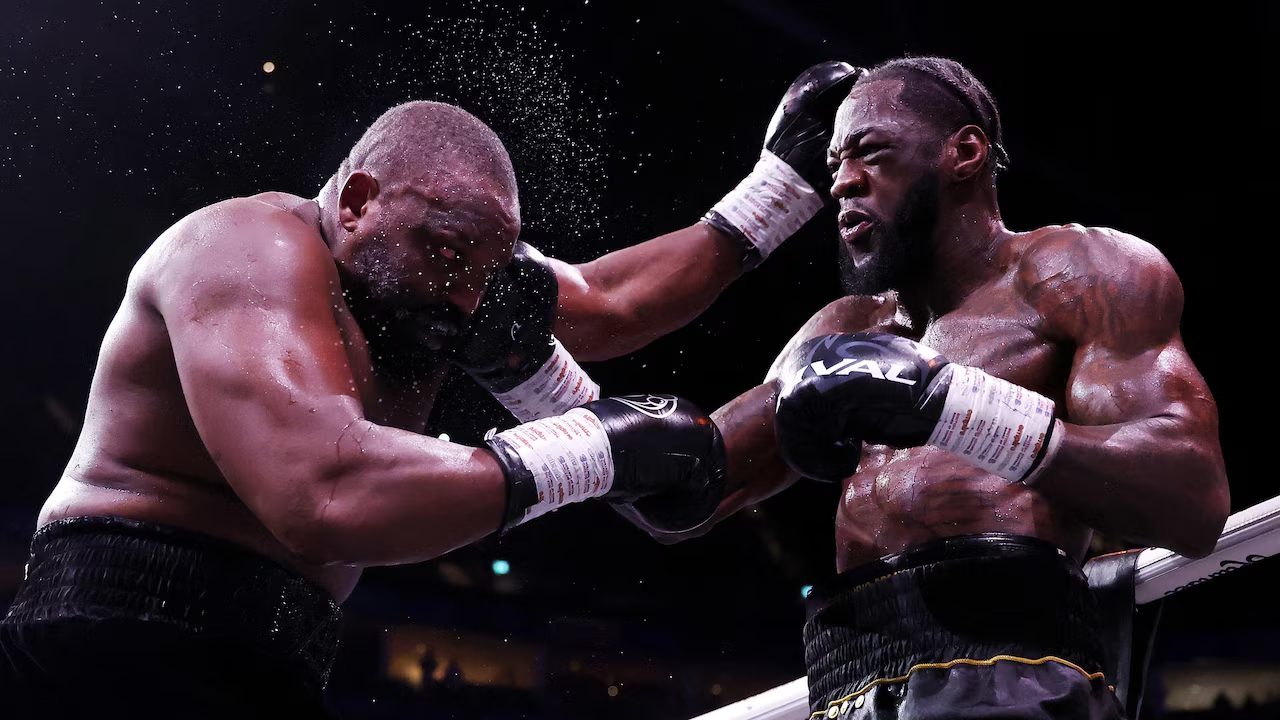
    There is something refreshingly unusual about Deontay Wilder vs. Derek Chisora. In an era when far too many big fights are paraded using forced insults, stage announcements of ill-will and recycled trash talk, this heavyweight showdown has gone a different route. Wilder and Chisora have built the fight on mutual respect rather than personal hatred. That has raised an obvious question in the lead up to their battle in London: Can two fighters who truly like each other still provide fans with the sort of vicious, dramatic contest that characterizes heavyweight boxing?

    Wilder and Chisora are no longer fighting to prove potential. They are battling for legacy, relevance, and pride. That is what makes this match up compelling. The bout is not some other vet showcase. It is a crossroads battle between two recognizable names who know that the clock is ticking. For boxing betting fans, there will be a lot to consider beyond their relationship. To gain more value, Sportytrader’s Stake code is available for this upcoming bout, and so much more.

    The final chapter for Derek Chisora

    For Chisora, the emotional stakes are particularly obvious. This is being sold as his likely farewell performance,though Chisora has hinted that a win over Wilder could change those plans if a world title shot materialises. Few heavyweights in the modern era have given fans more raw, honest action as Chisora. He has never been afraid to reveal what he is: a pressure fighter, a brawler, a man who is not afraid to take punishment in order to inflict his own. Even into his later years that identity has not changed. He comes forward nonetheless, he still tries to bully opponents physically, he still turns fights into exhausting wars of attrition.

    That alone makes this matchup alive. Chisora is hardly capable of being in a dull fight.

    Why Wilder has more to prove

    Wilder, meanwhile, comes in with a much different type of pressure. For years, he was one of the most feared punchers in boxing, a fighter who could seem to be limited for stretches and then wipe out every problem with one right hand. But the aura which used to surround him is no longer untouchable. Recent setbacks have forced Wilder into a different conversation, one centered not on dominance, but on whether he can still matter at the elite level.

    That is why this fight is so important for him. Wilder is not fueled by fake anger. He needs urgency. He needs a performance that will remind the heavyweight division that he is still a man of power and ambition. Against Chisora, he has the ideal opponent with whom to test just that.

    A style matchup that should deliver action

    Stylistically, the fight must be good.

    Chisora’s instinct is to close distance, rough opponents up and force exchanges on the inside. Wilder’s instinct is to create just enough space to have the right hand go. Those approaches, naturally, are in conflict, and that is often the best recipe for a good heavyweight fight. If Chisora manages to drag Wilder into a physical fight, fans may get the kind of messy, high-contact fight that has defined a lot of Chisora’s career. If Wilder should find space early and land clean, the drama will come of knowing that every second could be the last.

    Friendship doesn’t remove the stakes

    The friendship angle is real, but is also easy to overstate. Fighters need not hate each other to generate violence. Some of boxing’s best performances have been by men who have respected each other prior to the opening bell. Once the punches come down, sentiment tends to come off pretty quickly. Professional pride has a way of taking over.

    In fact, the absence of false antagonism may even contribute to this struggle. It lets the focus remain where it belongs: on the styles and the stakes and the fact that both men know they have little room left for caution. Chisora wants to end the sport with a final statement to remember. Wilder wants to prove he is more than a fading former champion cashing in on his name. Those are powerful motivators.

    Can Wilder vs. Chisora still be a great fight?

    No one should pretend that this is a meeting between two heavyweights at their best. It is not. Mileage, age and recent form are all important. But great fights do not always come from perfect timing. Sometimes they are from desperation and identity and two men knowing exactly what is at risk.

    That is why Wilder vs. Chisora is more interesting than cynical. Friendship may influence the build-up but it should not soften the fight itself. Should Chisora make it rough and if Wilder still has enough timing and conviction to punch with authority, fans could get something memorable: not a manufactured grudge match, but an honest heavyweight fight with real consequences.

    And in boxing, that is often more than enough.

  • Is WWE’s Global Expansion Changing the Wrestling Landscape?

    Is WWE’s Global Expansion Changing the Wrestling Landscape?

    Professional wrestling has never been more global than it is right now. WWE, under the umbrella of TKO Group Holdings, has embarked on an international expansion campaign that is fundamentally altering how fans around the world consume the product. From exclusive streaming deals with Netflix to Premium Live Events in cities that had never hosted a major wrestling show, the company is planting flags in markets that were once considered secondary. The question facing the industry is whether this aggressive push is genuinely growing the global wrestling audience or simply consolidating WWE’s dominance at the expense of smaller promotions.

    The numbers tell a compelling story. WWE has ramped up its international event schedule dramatically, and the pace has only accelerated heading into 2026. Revenue under TKO’s stewardship has climbed significantly, fueled largely by lucrative media rights agreements and international partnerships. For fans who have followed the business side of wrestling for years, this represents a seismic shift in how a promotion can monetize its content beyond traditional pay-per-view and merchandise sales, with entertainment and gaming brands increasingly lining up as partners.

    The Netflix Deal Changes Everything

    When WWE Raw moved exclusively to Netflix, it marked the single biggest change in wrestling distribution since the Monday Night Wars. Netflix’s 283 million global subscribers gave WWE instant access to audiences in territories where cable television penetration had always limited the product’s reach. In markets like India and Brazil, where traditional U.S. broadcasting had minimal impact, the Netflix partnership opened doors that decades of syndication deals never could.

    The deal also shifted how WWE approaches its international touring schedule. Netflix now handles local broadcasting arrangements in each territory, creating a feedback loop where a Premium Live Event in Perth or Riyadh generates local buzz that drives subscriptions, which in turn justifies more events in that region. WWE President Nick Khan has described this as a “streaming-first” approach to global growth.

    For the wrestling industry as a whole, the Netflix deal raises difficult questions. AEW, which has built a loyal following through traditional cable and pay-per-view, now competes against a promotion that reaches subscribers in over 190 countries with a single broadcast. Independent promotions face an even steeper uphill battle when WWE can saturate a market digitally before ever running a live show there.

    Saudi Arabia and the Middle East Strategy

    WWE’s partnership with Saudi Arabia’s General Entertainment Authority remains one of the most significant, and most debated, elements of its international strategy. The company continues to host multiple Premium Live Events annually as part of Riyadh Season, drawing tens of thousands of fans to purpose-built venues in the kingdom. These events have become tentpole attractions that consistently deliver some of the year’s most memorable matches and returns.

    The financial terms of the Saudi deal have never been fully disclosed, but industry analysts estimate that each event generates upward of $50 million in guaranteed revenue for WWE. The partnership has also opened the door for WWE to establish a more permanent presence in the Gulf region, with training facilities and local talent development programs reportedly in development. From a business perspective, the Middle East strategy has been a resounding success, providing WWE with a revenue stream that insulates it from fluctuations in the U.S. market.

    India Emerges as WWE’s Next Frontier

    If there is one market that executives at TKO view as transformative, it is India. Wrestling is the second-most popular sport in the country after cricket, with multi-generational appeal that cuts across economic and regional lines. WWE has signaled that India will be its top priority market for the 2026-2027 period, scheduling major events and content initiatives specifically tailored to Indian audiences.

    The Netflix partnership is particularly potent in India, where the platform has invested heavily in growing its subscriber base. WWE programming serves as a reliable draw for younger demographics, creating a natural alignment between the two companies’ growth strategies. Local language commentary, culturally specific marketing campaigns, and partnerships with Indian entertainment figures are all part of the playbook. With a population of over 1.4 billion, the potential scale is staggering, though converting casual interest into consistent engagement remains the central challenge.

    European Expansion Picks Up Speed

    Europe has long been a reliable market for WWE touring, but the company is now treating the continent as a venue for marquee events rather than just house show circuits. Italy will host its first-ever Premium Live Event in 2026, and the UK, France, and Germany have all hosted PLEs in recent years, establishing a precedent for European cities to compete for these high-profile shows much as they would for major sporting events.

    The economic impact of a WWE PLE on a host city is substantial. Hotel bookings, restaurant revenue, and local transportation all see significant bumps during event weekends, creating incentives for municipal governments to offer favorable terms. Perth, Australia, extended its partnership with WWE through 2026 after the success of Elimination Chamber in 2024, a model that European cities are eager to replicate. Meanwhile, the broader entertainment and gaming industries have also noticed wrestling’s growing reach, with platforms like WOW Vegas and other social gaming operators increasingly aligning their marketing with major live entertainment events that draw passionate, engaged audiences.

    What This Means for the Rest of the Industry

    WWE’s global expansion does not exist in a vacuum. Every territory that WWE enters more aggressively is a territory where local promotions must adapt. In Japan, New Japan Pro-Wrestling has responded by deepening its partnerships with AEW and other Western promotions, creating a counter-programming strategy built on collaborative cross-promotion rather than direct competition with WWE’s financial might.

    AEW has focused on building a distinct identity that appeals to fans who prefer an alternative to WWE’s production style. Tony Khan’s promotion has explored international expansion of its own, though on a far more modest scale. The risk is that WWE’s streaming dominance could shrink the overall pool of casual fans available to alternative products, forcing smaller companies to rely increasingly on their dedicated core audiences.

    Independent wrestling faces a nuanced challenge. WWE’s global visibility has brought more eyes to professional wrestling as a whole, potentially creating fans who discover indie promotions through social media. But the sheer scale of WWE’s content output on Netflix means that casual fans may never feel the need to look beyond what is already available on their screens.

    The Business Behind the Spectacle

    Understanding WWE’s expansion requires looking beyond the ring and into the corporate structure that makes it possible. TKO Group Holdings, formed from the merger of WWE and UFC under Endeavor’s umbrella, provides WWE with resources and strategic infrastructure that no wrestling company has ever enjoyed. The company has even hired specialized immigration paralegals to streamline global travel for its talent roster, signaling that international expansion is a core element of the business model rather than a passing initiative.

    Revenue diversification is another key factor. By reducing dependence on any single market, WWE insulates itself from economic downturns, cord-cutting trends, and the cyclical nature of wrestling’s domestic popularity. The trade-off has been fewer local events in smaller U.S. markets and higher ticket prices for American fans, a shift that has not gone unnoticed by the domestic audience.

    Gaming and Entertainment Partnerships Signal a New Era

    WWE’s expansion is not limited to live events and broadcasting. The company announced a multi-year partnership with VGW starting in 2026 that will integrate WWE Superstars into social gaming content across SmackDown, WrestleMania, and SummerSlam programming. This type of cross-platform integration reflects a broader trend in sports entertainment, where the lines between live events, streaming content, and interactive gaming continue to blur.

    The gaming sector has become increasingly intertwined with professional wrestling’s fanbase. Sweepstakes platforms and social casinos have found that wrestling audiences overlap significantly with their target demographics: engaged, entertainment-seeking consumers who value spectacle and competition. For WWE, these partnerships represent additional revenue streams that complement rather than cannibalize its core broadcasting income.

    This diversification into gaming and interactive entertainment also helps WWE maintain relevance with younger audiences who consume content across multiple platforms simultaneously. A fan watching Raw on Netflix might also be engaging with a sweepstakes gaming platform between matches, creating multiple touchpoints that reinforce entertainment habits in ways that traditional television alone never could.

    Looking Ahead: Can the Momentum Continue?

    The trajectory of WWE’s global expansion shows no signs of slowing. With WrestleMania season approaching and international PLEs planned across multiple continents, the 2026 calendar is shaping up to be the most ambitious in company history. The question is whether this pace is sustainable, both for the talent who must endure grueling travel schedules and for the company’s finances, which depend on continued growth in streaming subscriptions and international ticket sales. The growing presence of entertainment and gaming brands at wrestling events suggests the industry’s commercial appeal has never been broader.

    For the wrestling landscape as a whole, WWE’s expansion is a double-edged sword. It brings unprecedented visibility to the art form, introducing professional wrestling to millions of potential new fans worldwide. But it also concentrates power and resources in ways that make it harder for alternative voices to be heard. What is beyond debate is that the industry in 2026 looks fundamentally different from what it was even five years ago, and WWE’s global ambitions are the primary reason why. For more wrestling news and analysis, visit bodyslam.net.

  • From Training School to Main Event: The Journey of a Wrestling Superstar

    From Training School to Main Event: The Journey of a Wrestling Superstar

    From Training School to Main Event: The Journey of a Wrestling Superstar

    Professional wrestling is one of the most physically demanding and theatrically captivating forms of entertainment in the world. Behind every dramatic entrance, championship match, and roaring crowd lies a long journey of training, perseverance, and relentless ambition. Becoming a wrestling superstar requires far more than natural strength — it demands discipline, storytelling ability, and years of dedication to the craft.

    In the modern digital era, sports entertainment connects with fans through many online platforms, including gaming and betting websites where audiences follow sports trends and major events. For example, users exploring the CroreWin official site in Bangladesh, a casino and sports betting platform, often engage with a wide range of sports-related content while enjoying digital gaming experiences. Platforms like these reflect how online entertainment and sports culture increasingly overlap, allowing fans to stay connected to their favorite competitions and global sporting events.

    The journey from a beginner at a wrestling training school to performing in a major arena is filled with physical challenges, mental growth, and countless hours of practice.

    The First Step: Wrestling Training Schools

    Every wrestling superstar begins somewhere, often at a small training facility where beginners learn the foundations of the sport. These schools are designed to teach aspiring wrestlers the basics of professional wrestling, including in-ring techniques, conditioning, and performance skills.

    Training typically includes learning how to fall safely, execute grappling maneuvers, and perform signature wrestling moves without causing injury. Because professional wrestling combines athletic competition with theatrical storytelling, trainees must also develop timing and stage awareness.

    Many legendary wrestlers began their careers in training academies connected to major promotions. For example, the WWE Performance Center has produced numerous stars who later competed on the global stage.

    Training sessions are often intense and repetitive. Students practice basic movements hundreds of times until they become second nature. The goal is to build muscle memory and ensure that every move can be performed safely during live matches.

    Building Physical and Mental Strength

    Professional wrestling demands extraordinary physical conditioning. Wrestlers must develop strength, endurance, flexibility, and agility to perform complex maneuvers inside the ring.

    Training programs usually include:

    • Strength training for power and stability
    • Cardiovascular workouts to maintain stamina during long matches
    • Flexibility exercises to prevent injuries
    • Technical drills to perfect grappling techniques

    However, physical preparation is only one part of the process. Mental resilience is equally important. Wrestlers face criticism, intense schedules, and the pressure of performing in front of large audiences.

    Learning to stay focused and confident is essential for success. Many wrestlers describe their early years as a period of constant learning and personal growth.

    The Importance of Character Development

    Professional wrestling is unique because it blends sport with storytelling. Wrestlers are not just athletes — they are performers who portray characters that fans either love or love to hate.

    Developing a memorable persona is often the turning point in a wrestler’s career. Some adopt heroic identities, while others become villains who provoke audiences through their actions and words.

    Icons like The Rock and Stone Cold Steve Austin became global sensations partly because of their unforgettable personalities and charisma.

    Training schools often encourage students to experiment with different character ideas. They learn how to speak confidently during interviews, deliver dramatic monologues, and interact with audiences.

    A strong character can transform a technically skilled wrestler into a true superstar.

    The Independent Wrestling Circuit

    After completing their initial training, many wrestlers begin performing on the independent circuit. These smaller promotions host events in local venues, community centers, and small arenas.

    Although the crowds may be smaller than those at major televised events, the independent circuit plays a crucial role in developing talent. Wrestlers gain valuable experience performing in front of live audiences and learning how to adapt to different opponents.

    The independent scene also allows performers to refine their characters and build a reputation. A wrestler who consistently delivers exciting matches can quickly attract attention from larger organizations.

    Some of today’s biggest stars spent years traveling across countries and performing in dozens of small promotions before reaching mainstream success.

    The Breakthrough Moment

    For many wrestlers, the dream is to join a major promotion such as WWE or All Elite Wrestling. Achieving this milestone usually requires a combination of talent, persistence, and timing.

    Scouts from major promotions regularly watch independent events in search of promising performers. When a wrestler impresses these scouts, they may receive an invitation to try out for a developmental contract.

    This moment can be life-changing. Signing with a major organization provides access to larger audiences, better training facilities, and opportunities to compete in televised matches.

    However, competition is fierce, and only a small percentage of aspiring wrestlers reach this level.

    Life in the Spotlight

    Once a wrestler joins a major promotion, the pace of life accelerates dramatically. Touring schedules may include multiple events each week in different cities or even different countries.

    Performers must balance training, travel, media appearances, and match preparation. Maintaining peak physical condition becomes essential to avoid injuries and deliver consistent performances.

    Major promotions also invest heavily in storytelling. Wrestlers participate in scripted rivalries that unfold over weeks or months, building anticipation for major events like WrestleMania.

    The combination of athletic competition and dramatic storytelling is what makes professional wrestling such a unique form of entertainment.

    The Role of Fans and Global Audiences

    Fans are the lifeblood of professional wrestling. Their reactions — cheers, boos, and chants — shape the energy of every event.

    Modern technology has expanded wrestling’s global reach. Social media platforms allow fans to follow their favorite performers, watch highlights, and discuss storylines in real time.

    Online communities have become essential spaces where fans analyze matches, share predictions, and celebrate memorable moments.

    This global connectivity ensures that wrestling continues to grow and attract new audiences around the world.

    Legacy and Inspiration

    For many wrestlers, the ultimate goal is not only to win championships but also to leave a lasting legacy. The most successful performers inspire future generations of athletes and entertainers.

    Stars like John Cena and The Undertaker became icons because of their dedication to the industry and their ability to connect with fans.

    Their journeys remind aspiring wrestlers that success requires patience, resilience, and passion for the craft.

    Conclusion

    The path from training school to the main event stage is long and demanding. Aspiring wrestlers must develop technical skills, build compelling characters, and gain experience through years of competition.

    From small training facilities to massive arenas, every step of the journey contributes to the making of a wrestling superstar. Fans around the world follow these stories through television, live events, and online platforms that bring sports entertainment closer to audiences everywhere.

    Even as digital communities and entertainment platforms — such as the CroreWin official site in Bangladesh — connect fans with sports-related content and gaming experiences, the heart of wrestling remains the same: passionate performers striving to entertain the world.

    For those who dream of stepping into the ring one day, the journey may be challenging, but the reward of hearing a crowd cheer during a main event match makes every moment of training worthwhile.

  • Legendary Wrestling Rivalries That Changed the History of the Ring

    Legendary Wrestling Rivalries That Changed the History of the Ring

    Legendary Wrestling Rivalries That Changed the History of the Ring

    Professional wrestling has always thrived on storytelling. While championship belts and spectacular moves capture attention, the true heartbeat of the industry lies in unforgettable rivalries. These intense battles between iconic performers create drama, emotion, and moments that fans remember for decades. Today, wrestling enthusiasts follow matches across television, streaming platforms, and digital communities where discussions, predictions, and promotions often circulate. Some fans even encounter offers like a 4Rabet promo code while exploring entertainment platforms, reflecting how modern wrestling culture blends live events with online engagement. However, long before digital platforms amplified fan interaction, legendary rivalries were already shaping the history of the ring.

    These rivalries were more than scripted confrontations — they were cultural moments that defined eras, built superstars, and transformed wrestling into global entertainment.

    Hulk Hogan vs. Andre the Giant

    Few rivalries captured the imagination of wrestling fans like the clash between Hulk Hogan and Andre the Giant. During the 1980s, Hogan was the embodiment of the heroic champion — charismatic, powerful, and beloved by fans worldwide. Andre the Giant, meanwhile, was known as the unstoppable giant, a figure of mythic proportions.

    Their rivalry reached its peak at WrestleMania III. The match drew massive attention because it featured two of the most recognizable figures in wrestling history. When Hogan famously lifted and slammed Andre in front of a massive crowd, the moment became one of the most iconic scenes in sports entertainment.

    This rivalry helped solidify wrestling’s popularity in mainstream culture and demonstrated how powerful storytelling could elevate a match into a historic spectacle.

    Stone Cold Steve Austin vs. Vince McMahon

    Unlike traditional wrestler-versus-wrestler rivalries, the conflict between Stone Cold Steve Austin and Vince McMahon introduced a new dynamic: rebellious employee versus authoritarian boss. Their feud became the defining storyline of the late 1990s during the explosive “Attitude Era.”

    Austin represented the anti-hero — a rebellious figure who refused to follow authority. McMahon played the role of the controlling corporate executive determined to maintain order. Week after week, their confrontations produced shocking moments, comedic segments, and unforgettable battles.

    This rivalry resonated with audiences because it reflected real-world frustrations with authority and workplace power structures. Fans cheered wildly as Austin defied his boss, smashed beer cans in the ring, and disrupted corporate control.

    The Austin–McMahon storyline helped wrestling achieve record-breaking television ratings and played a crucial role in transforming the industry into a global entertainment powerhouse.

    The Rock vs. Stone Cold Steve Austin

    If the Austin–McMahon feud defined rebellion, the rivalry between The Rock and Stone Cold Steve Austin defined competition at its highest level. These two charismatic superstars represented opposing personalities and styles.

    The Rock dazzled audiences with his electrifying charisma, sharp wit, and unmatched microphone skills. Austin, meanwhile, embodied raw intensity and rebellious attitude. Whenever these two shared the ring, the atmosphere became electric.

    Their trilogy of matches at WrestleMania events is widely considered among the greatest series of encounters in wrestling history. Each match carried enormous stakes and emotional investment from fans.

    This rivalry demonstrated how compelling personalities and storytelling could elevate professional wrestling into a form of dramatic theater.

    The Undertaker vs. Shawn Michaels

    Few wrestling rivalries achieved the dramatic intensity of The Undertaker versus Shawn Michaels. Their confrontations combined athletic excellence with cinematic storytelling.

    The Undertaker, known for his supernatural persona and legendary undefeated streak at WrestleMania, faced Shawn Michaels — one of the most technically gifted performers in wrestling history. Their matches were not just contests; they were epic narratives about pride, legacy, and redemption.

    Their encounter at WrestleMania XXV is often praised as one of the greatest wrestling matches ever performed. The bout showcased breathtaking athleticism, emotional storytelling, and suspense that kept audiences captivated.

    The following year, their rematch added even greater stakes when Michaels risked his career in pursuit of victory. The emotional conclusion demonstrated how wrestling rivalries could deliver powerful storytelling comparable to blockbuster films.

    Bret Hart vs. Shawn Michaels

    Some rivalries extend beyond scripted storylines and reflect genuine personal conflict. The tension between Bret Hart and Shawn Michaels became one of the most controversial chapters in wrestling history.

    Both performers were elite athletes and passionate competitors, but their personalities often clashed behind the scenes. This tension culminated in the infamous Montreal Screwjob during a championship match.

    The event shocked fans and blurred the lines between scripted entertainment and real-life conflict. While controversial, it reshaped how audiences viewed wrestling storylines and backstage politics.

    Over time, the rivalry evolved into one of the most discussed moments in wrestling history, highlighting the complex relationships within the industry.

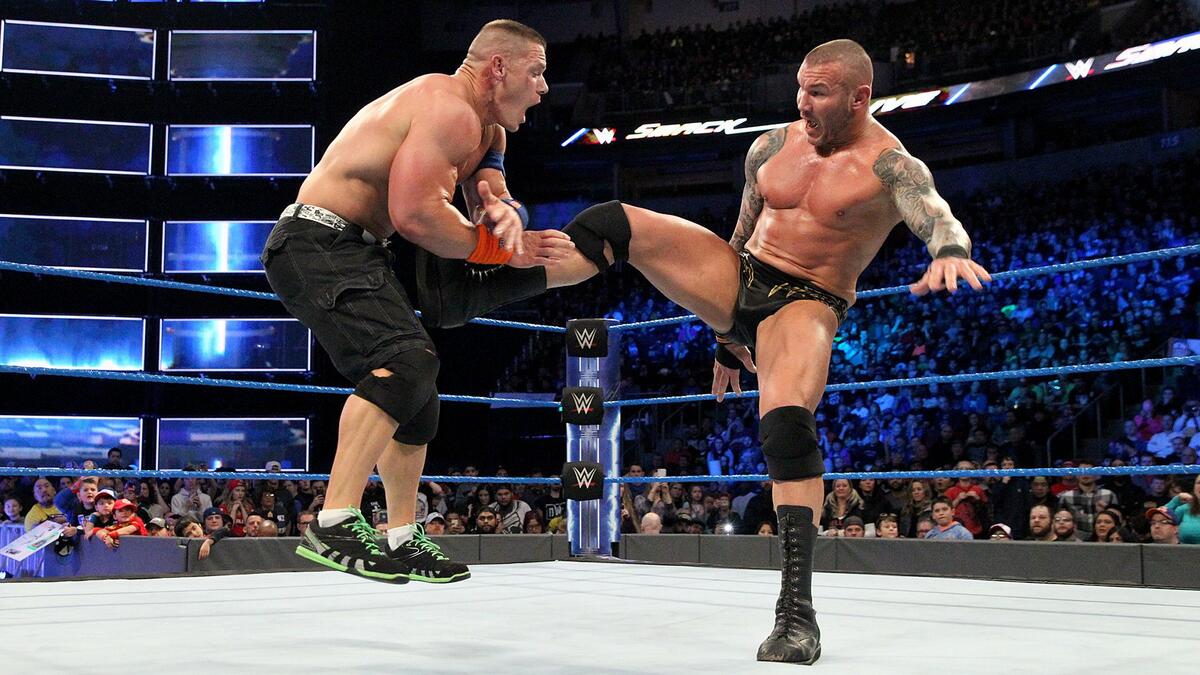
    John Cena vs. Randy Orton

    Moving into the 2000s, the rivalry between John Cena and Randy Orton represented the clash of two new-generation superstars. Cena became the heroic face of the company, while Orton embraced the role of the calculating antagonist.

    Their battles spanned several years and numerous championship matches. Fans watched as both competitors evolved, adapting their strategies and personas to maintain dominance.

    The longevity of this rivalry demonstrated how sustained storytelling could keep audiences invested over multiple eras. Their matches became staples of major events and helped define modern wrestling.

    Why Rivalries Matter in Wrestling

    Wrestling rivalries are powerful because they transform individual matches into long-term narratives. They give audiences emotional investment and create heroes and villains that fans passionately support.

    A great rivalry typically includes:

    • Strong contrasting personalities
    • High emotional stakes
    • Memorable confrontations
    • Unexpected twists in storytelling
    • Climactic matches that deliver satisfying conclusions

    When these elements come together, rivalries become legendary.

    The Lasting Legacy of Wrestling Feuds

    Legendary rivalries leave a lasting impact not only on the performers involved but also on the entire wrestling industry. They inspire new generations of wrestlers, influence storytelling techniques, and create unforgettable moments that fans continue to celebrate years later.

    From the spectacle of Hogan versus Andre to the rebellious drama of Austin versus McMahon and the athletic masterpieces of Undertaker versus Michaels, these rivalries Even as the industry continues to evolve with new stars and digital platforms, the essence of wrestling remains rooted in powerful rivalries. Fans today follow matches, discuss predictions, and explore related entertainment experiences across many online spaces. Platforms such as 4rabet.game are part of this broader digital ecosystem where sports and entertainment audiences gather, keeping the excitement of competition alive beyond the ring.

  • The Many Different Ways You Can Bet on WrestleMania 42

    The Many Different Ways You Can Bet on WrestleMania 42

    WrestleMania has always carried the kind of card structure that lends itself to prediction, and when prediction meets money, you get a betting market. WrestleMania 42 runs April 18 to 19 at Allegiant Stadium in Las Vegas, streaming live on ESPN Unlimited in the U.S. and Netflix internationally. 5 confirmed matches sit on the card, each with its own set of odds, and the variety of ways to put money on them goes well beyond picking a winner. If you have followed wrestling long enough to have opinions about finishes, interference spots, and storyline direction, sportsbooks now give you a way to act on those opinions with actual stakes attached.

    The Confirmed Card and Where the Odds Sit

    The 5 marquee bouts booked for WrestleMania 42 are worth laying out because each one produces a different kind of betting opportunity.

    Cody Rhodes defends the Undisputed WWE Championship against Randy Orton. CM Punk faces Roman Reigns for the World Heavyweight Championship. Jade Cargill meets Rhea Ripley for the WWE Women’s Championship. Stephanie Vaquer battles Liv Morgan for the Women’s World Championship. And Brock Lesnar has issued an open challenge with no confirmed opponent.

    Early lines from William Hill have Roman Reigns listed as the 2/7 favorite over CM Punk. Liv Morgan sits at 1/4 to beat Stephanie Vaquer. Rajah.com reports Reigns at -350, which translates to roughly a 77.8% implied probability, while Punk comes in at +225. Those numbers give you a starting point, but they are far from the only way to engage with the card.

    Straight Moneylines and Why They Are Only the Beginning

    The most common bet on any wrestling event is picking the winner of a match. You look at the odds, decide who you think wins, and place the wager. Simple enough. But moneylines on heavy favorites pay very little relative to the amount risked, and that is where other bet types become more appealing.

    If you believe Reigns beats Punk but want a better return, you need to look beyond the moneyline.

    Stretching Your Bankroll During WrestleMania Season

    Most sportsbooks run promotional offers around major events, and WrestleMania 42 is no exception. Sign-up bonuses, deposit matches, and referral credits from platforms like BetMGM, DraftKings, or through Cover’s promo code for Stake casino can reduce the amount of risk on any given parlay or prop. Stacking these with smaller unit sizes across multiple matches keeps your total exposure low.

    The smarter move is treating promotional credit as a way to place bets you would otherwise skip, like method of victory props or Brock Lesnar’s mystery opponent, without bleeding your primary bankroll.

    Props: Method of Victory and Specifics

    Proposition bets let you wager on how a match ends rather than who wins it. Sportsbooks typically break these into categories like pinfall, submission, disqualification, and count-out. A match like CM Punk vs. Roman Reigns, given the history of both performers and the creative tendencies around their storylines, opens the door to prop betting on finishes that involve outside interference or a DQ.

    Submission props carry longer odds in most cases because clean submission finishes at WrestleMania are rare, particularly in main event level matches. That rarity is what makes them attractive to bettors comfortable with lower probability, higher reward wagers.

    Brock Lesnar’s open challenge creates a unique prop market entirely. Some books will post odds on who the mystery opponent will be, and those lines are entirely driven by rumor, backstage reporting, and fan speculation. If a credible source names someone before the event, the line will move fast.

    Parlays Across the Card

    A parlay combines 2 or more match outcomes into a single bet. All selections have to hit for the bet to pay, but the combined odds produce a much larger return than any single wager would. With 5 confirmed matches, a full card parlay carries high risk and high reward in equal measure.

    A more measured approach involves combining 2 or 3 heavy favorites into a smaller parlay. Pairing a Reigns win with a Liv Morgan win, for example, would still offer a modest payout while keeping the probability of success relatively high based on early implied odds.

    The trade-off is straightforward. Every match you add increases both the potential return and the chance of losing.

    Futures and Long-Term Holds

    Some sportsbooks post futures lines that extend past WrestleMania. These involve questions like who will hold a given championship at SummerSlam, or who will be the next person to cash in a Money in the Bank contract. WrestleMania outcomes feed directly into these markets because a title change or a surprise return resets the odds on future events.

    Placing a futures bet before WrestleMania can lock in favorable odds that disappear once results are known.

    Line Movement and Timing Your Bets

    Wrestling betting lines move based on backstage reports, dirt sheet rumors, and social media speculation. A single report about a planned finish change from a reliable source can push a line several points in minutes, according to common sportsbook tracking. The 6-week window leading into WrestleMania is when most of this movement happens, and bettors who follow those sources closely can spot value before lines adjust.

    Placing a bet early locks in the current price, which can be useful when you expect a favorite to become even more favored as the event approaches. Waiting carries the risk of worse odds but also the benefit of more information.

    Picking Your Spot

    WrestleMania 42 gives bettors a full menu. Moneylines for simplicity. Props for those who want to bet on finishes. Parlays for combining outcomes. Futures for anyone looking past the event itself. And with promotional offers from sportsbooks timed to the event, the cost of entry can be reduced if you plan ahead. The card is set, the odds are posted, and the weeks between now and April 19 will keep those numbers moving.

  • The best promotions for those who want to bet on wrestling

    The best promotions for those who want to bet on wrestling

    Sports betting is a good option for those who want to combine their love and knowledge of wrestling with the opportunity to earn extra money. The chances of winning increase when bettors use Bizbet to receive bonus funds to bet with more money. After complying with the terms and conditions of the promotions, the bonus balance becomes real money and can be withdrawn.

    Here, you will see what types of promotions are available for betting on the sport. It is worth remembering that you must use them responsibly. This involves financial control, but also placing bets based on studies of the fights, and not just on intuition or because you are a fan of a fighter.

    Mobile Betting helps users

    All bonuses mentioned here can be used on mobile devices. Bookmakers are adapted to work on smaller screens and operate both on mobile browsers and through apps.

    In addition, there are exclusive promotions for those who download bookmaker apps. In some cases, advantages are granted just for downloading the app and placing a few bets. Then, the average bet amount is awarded as a bonus in the form of a free bet.

    Having the app also helps the most attentive bettors. By turning on notifications, it is possible to receive quick offers. This makes it easier for users to take advantage of all promotions.

    Welcome bonus

    For those who have never bet and want to start doing so, the best option is the welcome bonus. It consists of an additional balance offered to new bookmaker users, a common practice in the market to attract new bettors.

    Usually, the additional amount is 100%, which means that users’first deposit is doubled. Bookmakers place a bonus limit. Then, the balance will go into a separate wallet. It is worth remembering that on some sites the amount is higher than 100%.

    So, you must meet the betting conditions for the bonus balance to become a real balance. Here are the main ones:

    Condition What it is
    Expiration period This is the time users have to meet the conditions, which is usually 30 days for sports betting.
    Rollover This is the number of times the bonus amount must be wagered.
    Minimum odds This is the minimum odds that can be used for bets using the bonus balance.
    Bet type In some cases, the bonus is only valid for accumulator bets, which are bets that combine more than one bet line on the same bet slip and the odds are multiplied. In other cases, the bonus is valid for single bets.

    Weekly reload bonuses

    In addition to the initial deposit bonus, bookmakers continue to reward regular bettors with weekly deposit bonuses. Certain days of the week are selected, and all reloads made on that day are increased by an additional percentage.

    As with the welcome bonus, there are also conditions regarding bet type, minimum odds, rollover, and period. Usually, the expiration time is shorter, since another promotion will be available the following week, and they cannot be accumulated.

    Promo code store

    Another way to reward regular bettors is with the promo code store. For each bet placed on the platform, the user accumulates points, always calculated based on the value of the bet. The bookmaker then offers an internal store where points can be exchanged for bonus amounts.

    In this case, bettors have complete freedom to choose the type of bonus, both the value of the offer and the sport in which it can be used. After making the purchase, all the user needs to do is activate the Bizbet promo code on the store’s page. Usually, the conditions for this type of offer are easier to meet.

    Cashback

    Cashback has become another common practice among bookmakers. In this case, a portion of the amount lost by users on bets is returned to their balance on a weekly basis. The cashback percentage varies and depends on the bettor’s level in the loyalty programs. The most common maximum amount is 15%.

    The interesting thing about this type of offer is that bookmakers usually credit the amount directly to the main balance, which means that it is not necessary to meet the conditions to convert the bonus into real cash.

    Casino offers can also earn you money to bet on NXT and other wrestling events

    Since bookmakers also have casino platforms, you can take advantage of this other type of bonus to get more money to bet on NXT events and other wrestling fights. Since the balance is the same for betting and casino games, it may be worth taking advantage of some promotions for online games, such as:

    • Additional balance calculated based on deposits made.
    • Free spins on slots, whose winnings are converted into bonuses and can then be used for betting.
    • Casino tournaments, in which players who achieve the best results in selected games win an additional balance to use as they wish within the platform.
  • Beyond Wrestling: fighting sports available for betting

    Beyond Wrestling: fighting sports available for betting

    Beyond Wrestling: fighting sports available for betting at 1xBet

    Despite delighting all fighting sports fans, the characteristics of wrestling make it one of the sports with the fewest parallel betting markets at bookmakers such as 1x Cambodia. However, fighting fans have several other great options to combine their passion for the sport with opportunities to make money.

    Here, you will see some of these good options. We will cover the markets available in each of them. This is because betting on the winner of the fight tends to be less profitable than these other possibilities, so it is essential to know all the options offered by bookmakers.

    UFC

    MMA fights, especially in the UFC, are certainly among the main betting opportunities for all bookmaker users. There are several factors that contribute to this. As the fight schedule is very well defined and the events are highly anticipated, expectations grow, and this drives the betting market weeks before each fight.

    In other words, the betting odds before the fights can vary greatly over the weeks. This brings opportunities for bettors who like to use the cashout strategy. This consists of betting on an event and, over time, depending on the volume of bets, the odds go up or down. Then, users can withdraw their bet and keep the profit related to the movement of the odds.

    Another factor is that the UFC has a huge audience and, consequently, extensive coverage by bookmakers. As a result, many betting markets are offered. These markets are usually more profitable than the moneyline for the fight winner. In addition, they are more predictable through analysis and study of previous fights. Here are the main betting options:

    • Moneyline – This is a bet on the winner of the fight. In other words, it is the simplest type of bet. Care must be taken, as several factors can influence the result.
    • Total Rounds – Bookmakers set certain lines with numbers of rounds, and users bet on these lines in the Over/Under system.
    • Final round – You can bet on which round the fight will end.
    • Method of victory – Users can bet on how the fight will end. The options available are decision, submission, knockout, or technical knockout. As there are several options, the odds are usually good. This is a great market, as it allows for high accuracy through detailed analysis.

    The UFC also allows some long-term bets, for example, even betting on factors related to fights that are not scheduled. In addition, there is a good variety of special bets on factors that do not specifically depend on the fight. The main example is betting on which fight on the card will have the largest audience.

    Boxing

    Boxing fights are also a good option for sports bettors who are fans of combat sports. The main factor that makes them advantageous is the large number of events. Unlike the UFC and Wrestling, where fights take place on specific days and with a time interval between events, the boxing calendar is more constant.

    Therefore, it is a suitable fight for bettors who prefer to establish strategies for consistent, long-term winnings. Meanwhile, WWE and MMA events are more geared toward occasional bettors.

    Boxing markets are scarcer. In general, it is only possible to bet on the winner of the fight and the total number of rounds. Bookmakers usually offer lines according to the favoritism of a fighter in each event. In events where there is a clear favorite, the Over/Under 5.5 rounds line is offered. In more balanced fights that tend to last longer, the Over/Under 9.5 rounds market is offered.

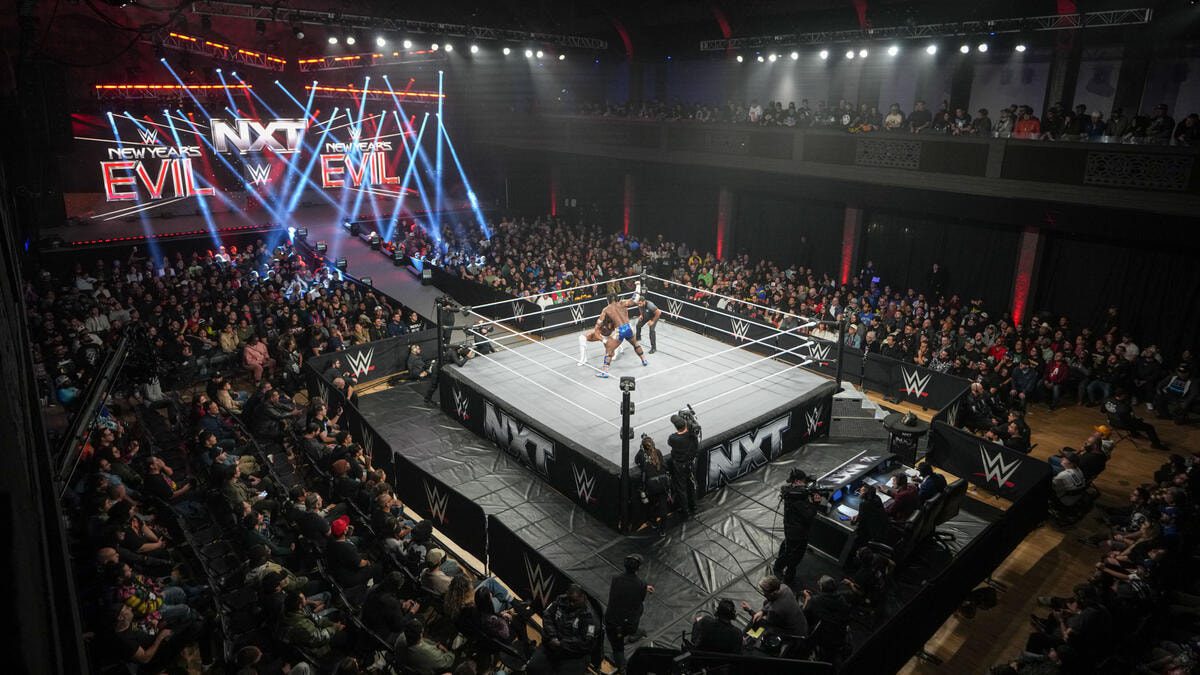
    Wrestling Betting – NXT

    As we said, the characteristics of wrestling as a spectacle mean that there are not many betting possibilities. The fact that the winners are pre-determined makes this impossible. However, it is still possible to bet on NXT and other wrestling events.

    One tip is to make the 1xBet download to bet on your cell phone through an app. This makes the activity more dynamic, bringing some advantages to bettors:

    Features Advantages
    Login speed If you are watching a fight and decide to place a quick bet, it is easier to access bookmakers via your smartphone.
    Movement speed Movements on smaller screens are faster than on computers, making betting quicker.
    Notifications By turning on notifications for the betting app, you can receive exclusive offers for betting on wrestling.