Category: Editorials

In-depth wrestling editorials, opinion pieces, and analysis from the BodySlam writing team.

  • Jacob Fatu: From Behind the Glass to WWE Superstar

    Jacob Fatu: From Behind the Glass to WWE Superstar

    Jacob Fatu is the most compelling story in professional wrestling today. Not because of his bloodline, not because of his athleticism, or aggression, but because of where he started and what it took to get here. All Gas, No Brakes!

    The Other Side of the Glass

    Not every wrestling story begins in a gym, or state of the art performance center. Jacob Fatu’s began in a jail cell at a young age.

    At just 18 years old, Fatu was arrested for armed robbery and locked up in the Sacramento County Jail. Before you start to assume this is an attack against him via article, just know that he has never shied away from that fact, owning it in interviews the same way he owns everything else, directly and without excuse. He’s a man of his word, and doesn’t try to run from his past. Good family, good parents, bad decisions. The streets had him, and eventually the streets caught up with him.

    The turning point came not from a counselor, a fellow cell mate or community program, but from a television set mounted on a dorm wall. There’s not much to do in that environment, so while flipping through channels one day, he stopped on a WWE broadcast and watched his cousins Jimmy and Jey Uso ( The Usos ) working a match. In that moment, something clicked. He has said that was the moment his mind was made up. But what truly broke him open was simpler and more painful than any epiphany he had. It was seeing his mother show up to that jail and put up her van to get him out. That image stuck with him in a way that no charge or sentence ever could.

    He walked out with a decision already made. No more bullshit.

    Learning the Trade

    Rikishi, his uncle and a WWE Hall of Famer, took him in and started him from scratch in 2012. What followed was paying dues for years to come, with no fan acknowledgment. It’s just part of the business. Stuff you hear from all independent talent: The fatigue, small venues, long drives, shady promoters, and checks that barely covered gas. These roadblocks are common on the independent scene. The grind didn’t stop. Eventually, Fatu would pick up the APW Universal Heavyweight Championship in 2016, but the real education was just the repetition of showing up night after night and getting better.

    Major League Wrestling changed that trajectory. He signed with MLW in 2019, aligned with manager Josef Samael, and built something genuinely menacing in the faction Contra Unit. On July 6 of that year he took the MLW World Heavyweight Championship from Tom Lawlor and held it for 819 days, a record in the promotion that still stands to this day. Fatu was a fighting champion. He defended it everywhere, against everyone, and by the end of that run there was no serious argument left about whether he belonged at the top level.

    He had gone, as he put it himself, from looking out a jail cell window to looking out an airplane window. Fatu had wrestled for many promotions on the Independents. DEFY Wrestling, GCW, HOG and PCW Ultra just to name a few. He’s done them all.

    WWE Arrival

    WWE had looked at Fatu before. A tryout in 2016 went nowhere, and his criminal record kept the door closed for years after that. But he didn’t stop. When Triple H’s regime took over, the calculation changed. Fatu signed in April 2024 and word out of the locker room was immediate and consistent: respectful, professional, no issues whatsoever. He was really starting to show those in charge that he was not the man of his youth.

    He debuted June 21, 2024, on SmackDown and wasted no time making an impression. Cody Rhodes, Randy Orton and Kevin Owens were all laid out before the segment was over. Solo Sikoa stood beside him. The Bloodline had a new and arguably most terrifying member. The vibes of a complete killer.

    The in-ring debut came at Money in the Bank, a six-man tag alongside Sikoa and Tama Tonga. Then on Aug. 2, he and Tonga took the WWE Tag Team Championship off DIY, the team of Johnny Gargano and Tommaso Ciampa. He eventually gave up his half of the titles to serve full time as Sikoa’s enforcer, which was its own kind of statement about just how dominant he was expected to be.

    What nobody fully anticipated was the crowd. He was written as a villain. The bad guy! The fans decided otherwise. His combination of size, athleticism and realness translated through the screen in a way that cannot be manufactured. The thing that brings people into liking Fatu is his authenticity. There’s nothing phony about him. Photo ops at fan events sell out. Interviews are instant hits, and his reactions in the stands and online are as good as it gets. The audience has effectively overruled the script.

    WrestleMania and Gold

    After working through a physical feud with Braun Strowman that ended with a Last Man Standing victory, Fatu earned a United States Championship match against LA Knight at WrestleMania 41. On April 19, 2025, inside Allegiant Stadium in Las Vegas, he won it. First WrestleMania match, and he walks out with gold. This was his first singles title in WWE. The kind of night that reframes everything that came before it.

    The reign ran 70 days before Solo Sikoa, with plenty of help, took it back at Night of Champions. Fatu responded by attacking Sikoa at Money in the Bank, walking away from The Bloodline altogether, and completing a babyface turn the audience had been quietly demanding for months. He was his own man. He then went to WrestleMania 42 and dismantled Drew McIntyre in an Unsanctioned Match. So far, Fatu is 2-0 at WrestleMania. Each chapter more serious than the last.

    The Family Feud

    What is unfolding now between Fatu and Roman Reigns is the kind of program that does not need much decoration. The history writes itself.

    Fatu has clarified publicly that the cousin label really undersells it. Reigns’ father Sika and Fatu’s grandmother are siblings, which technically makes Reigns his uncle. Big Unc Roman?! They are close enough in age that cousin became the shorthand, but the roots go deeper. This rivalry has a foundation most storylines spend years trying to manufacture.

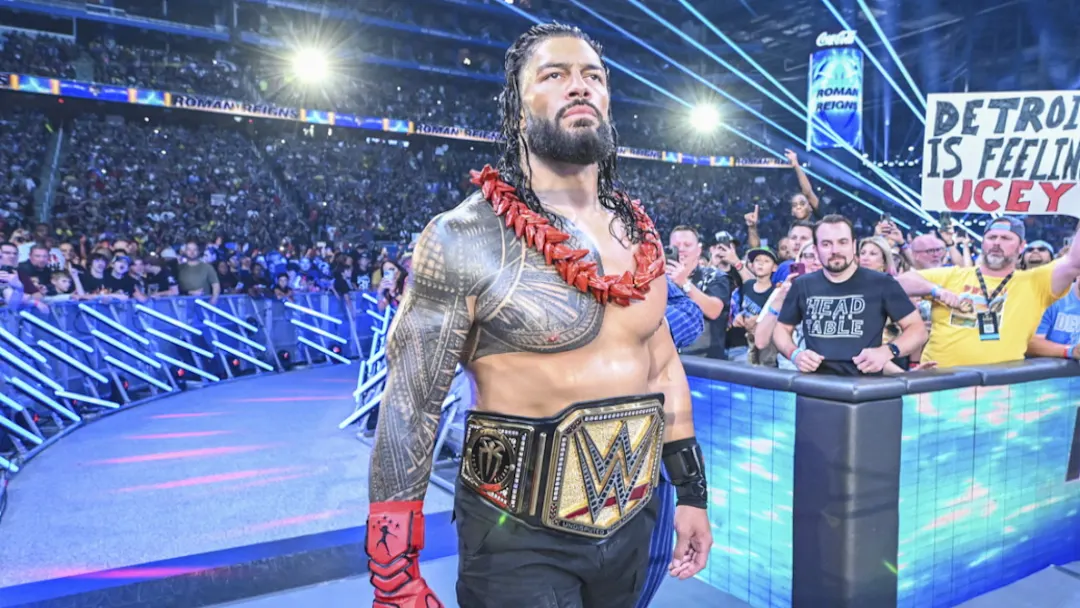
    Their first meeting, the main event of Backlash 2026 in Tampa, matched the weight of that background. Reigns found no clean answer for Fatu the entire match. The finish required exposing a turnbuckle, a desperate redirect and a spear to finally put him down. When it was over, Reigns looked into the camera and told Fatu he did not belong in the company and that the night was his last.

    Nobody in that building believed him.

    The Man Behind the Werewolf

    His wife was there during the worst of it, and now at the best. They have seven kids together now, and he has been consistent in crediting her as the reason the household functions at all while he is on the road.

    The gratitude he carries is not limited to his family at home. He talks about the generations before him the way someone talks about a debt they genuinely want to repay. He has nothing but respect for those that came before him. Afa. High Chief Peter Maivia. The Tonga Kid. Rikishi. Yokozuna. The Usos. Roman Reigns. Each one put in years of road miles, blood, sweat and time away from their families so that the name meant something by the time Jacob Fatu got here. He has said plainly that none of this is about him. It is about the lineage.

    That perspective is what makes his story land better than a standard redemption narrative. He is not just a man who turned his life around. He is a man who understands exactly why it mattered that he did, and who he owed it to. That last name is something that should be taken serious, and held to a high standard, and Jacob sure is doing so.

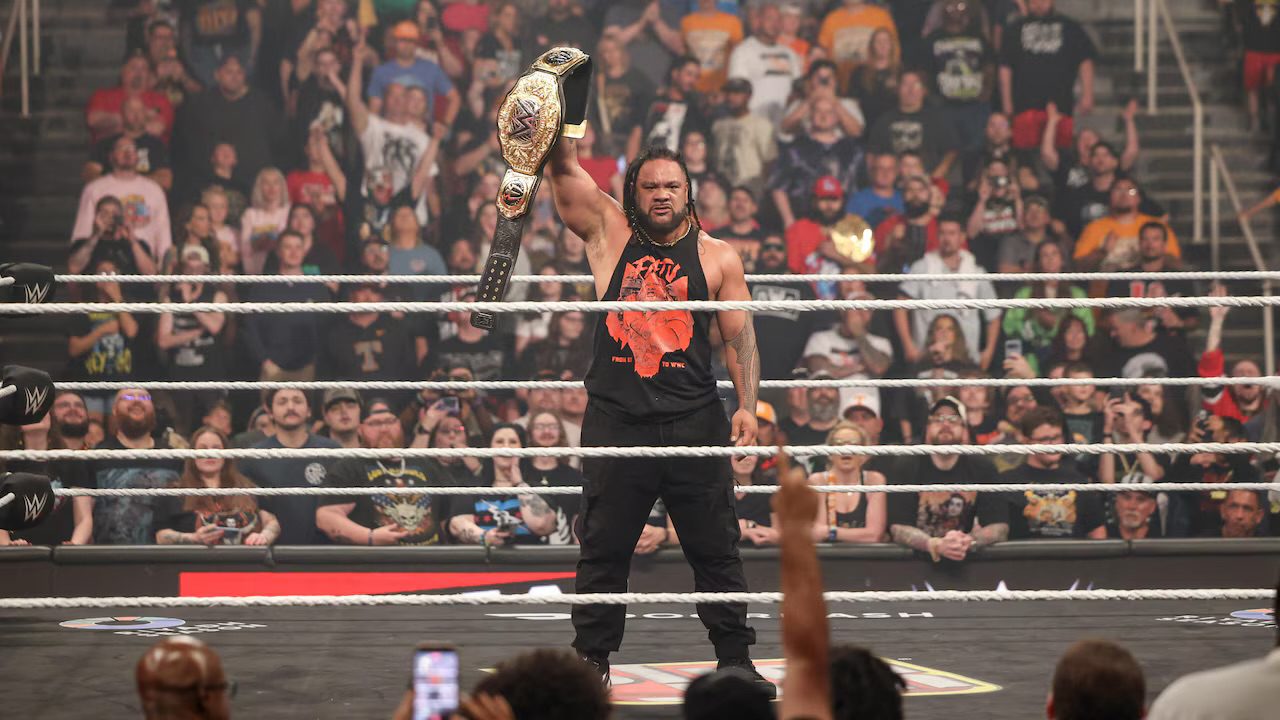
    Roman Reigns may have left Tampa with the title. But Jacob Fatu left with something harder to take away: momentum, credibility, and the quiet understanding shared by everyone in that arena, and at home, that the World Heavyweight Championship has a  larger and bright red target on it.  A man who once watched his family on a jail cell television, who worked overnight shifts at Walmart, who was told by email that he did not have what it takes, is now the most dangerous person in the biggest wrestling company on the planet. The next chapter has not been written yet, but if the first 33 years of Jacob Fatu’s life have proven anything, it is that he tends to write it himself.
  • The 5 Greatest Crossover Athletes Who Competed in Both Pro Wrestling and Combat Sports

    The 5 Greatest Crossover Athletes Who Competed in Both Pro Wrestling and Combat Sports

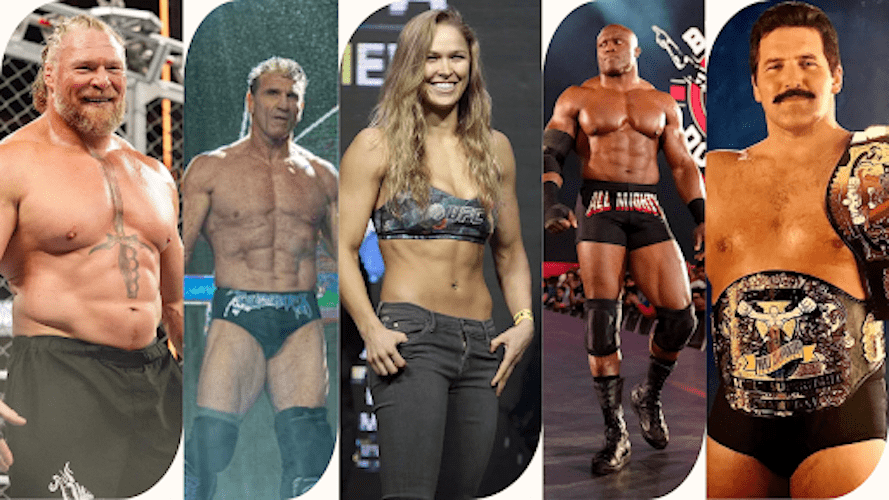
    Some athletes pick a lane and stay in it. These five ignored the lane entirely. Each stepped into the scripted chaos of pro wrestling and the genuine danger of a combat sports cage, and performed at the top of both. Here’s who made it work.

    Brock Lesnar: The Blueprint for Crossover Dominance

    No one pulled off the wrestling-to-MMA switch with the same velocity as Brock Lesnar. He won the UFC Heavyweight Championship in just his fourth professional fight, 277 days after his UFC debut. For context, that’s less time than some fighters spend ranked in the top 15 without sniffing a title shot. Before that: NCAA Division I wrestling champion in 2000 with a 33–0 season, then WWE Champion at 25, the youngest ever at that point.

    The crossover is rare enough that analysts still track it — and fans following nepali casino app-style betting markets know dual-sport athletes generate outsized public interest well beyond pure MMA circles. Lesnar defended the UFC title twice: a TKO revenge win over Frank Mir at UFC 100 and a submission of Shane Carwin at UFC 116. His record finished 5–3, though his 2016 win over Mark Hunt was overturned to a no-contest after a failed drug test.

    His peak MMA run:

    • 2008: UFC debut loss to Frank Mir via kneebar
    • 2008: Defeated Randy Couture at UFC 91 to win the UFC Heavyweight Championship
    • 2009: Submitted Mir in rematch at UFC 100
    • 2010: Survived Carwin’s first-round barrage, won by submission

    Ken Shamrock: The Man Who Was Actually Dangerous

    Before Lesnar made the jump look cool, Ken Shamrock made it look credible. He moved between wrestling and MMA before anyone had a framework for what that meant. ABC News called him “The World’s Most Dangerous Man” in the mid-1990s — either brilliant marketing or a genuine warning label, depending on the night.

    Shamrock became the first UFC Superfight Champion by defeating Dan Severn at UFC 6, founded the Lion’s Den camp, and won the King of Pancrase title in Japan, where results were real. His WWE Attitude Era run included the Intercontinental Championship and feuds with The Rock and The Undertaker. He’s an inaugural UFC Hall of Fame inductee, which is the sport’s way of saying he was there before there was even a sport. Fans who use Mel Bet for combat sports wagering will recognize Shamrock as one of MMA’s original marquee names.

    Ronda Rousey: The One Who Restructured Both Industries

    Rousey didn’t just cross over; she reshaped each side in sequence. She won judo bronze at the 2008 Olympics, the first American woman to medal in the sport at that level. She became Strikeforce Women’s Bantamweight Champion before the UFC even had a women’s division. When it created one, Rousey was its first champion.

    Six title defenses followed. Five were first-round finishes. Three came in under a minute. She retired from MMA at 12–2, then joined WWE in 2018:

    • Raw Women’s Championship at SummerSlam 2018
    • Headlined Evolution, WWE’s first all-women’s pay-per-view
    • SmackDown Women’s Championship twice after returning in 2022
    • Only woman to hold a championship in both the UFC and WWE

    She’s also the only woman to headline a pay-per-view in both companies. Nobody else can say that.

    Bobby Lashley: The Least-Discussed Crossover Success

    Lashley doesn’t get the attention Lesnar does, partly because he competed in smaller promotions. That undersells his record. A three-time NAIA Wrestling Champion, he went 15–2 in MMA, primarily in Bellator. His debut lasted 41 seconds. He built his fight career on the same amateur wrestling base as Lesnar — just without the UFC platform behind it.

    His WWE résumé stands on its own: ECW Champion, multiple WWE Championship reigns, top-of-card status through the 2020s. Maintaining credibility in both worlds, without the spotlight, is harder than it looks.

    Dan Severn: The Original

    Severn did something in 1995 nobody had done before: held an MMA championship and a pro wrestling championship simultaneously. He won UFC 5 in April 1995 while holding the NWA World Heavyweight Championship — two belts, two different sports, one weekend. He later took the UFC Superfight Championship from Ken Shamrock.

    Career MMA record: 101 wins, 19 losses, 7 draws. That volume is unusual even for fighters who did nothing else. Severn competed when UFC rules were barely formed and weight classes didn’t exist. His cage performances proved something the combat sports world hadn’t accepted yet — elite amateur wrestlers were genuinely dangerous, not just athletic curiosities.

    Most fighters master one world. These five treated the second one as a reasonable next project.

  • Top 10 WWE NXT Wrestlers of All Time, Ranked

    Top 10 WWE NXT Wrestlers of All Time, Ranked

    NXT has served as WWE’s proving ground since 2012, transforming from a simple developmental territory into one of the most critically acclaimed brands in professional wrestling history. What began as a place to polish raw talent evolved into a full-fledged promotion capable of stealing the show from Raw and SmackDown on any given night. The black and gold brand produced some of the most compelling characters, feuds and in-ring performances the industry has seen in the past two decades. These are the 10 wrestlers who defined it.​​​​​​​​​​​​​​​​


    10. Bayley

    Bayley joined NXT in 2013 with a lovable fangirl persona and quickly became the emotional center of the brand’s women’s division. Her underdog story resonated with audiences in a way few babyface runs ever have, and her TakeOver: Brooklyn match against Banks is still regarded as a landmark moment for women’s wrestling in WWE.

    9. Shayna Baszler

    The Queen of Spades was the dominant heel champion of the 2017–2019 era, becoming a two-time NXT Women’s Champion with a combined 549 days holding the title. Baszler’s MMA credibility gave her character an authenticity that made every title defense feel genuinely dangerous, and her 416-day second reign was the longest single women’s title reign in brand history.

    8. Shinsuke Nakamura

    Nakamura was a serious threat for NXT when he arrived in 2016, one of the biggest stars in the world not working in WWE at the time. His roughly 15 months on the brand produced two NXT Championship reigns and wrestling clinics with Samoa Joe and Bobby Roode. His debut match against Sami Zayn remains one of the greatest in NXT history.

    7. Sami Zayn

    Zayn became the ultimate babyface for NXT, pouring his heart into everything with his unmatched selling ability and delivering incredible feuds against Kevin Owens and Tyler Breeze. His NXT Title win over Neville — after vowing to leave NXT if he lost — stands as one of the most memorable moments in brand history.

    6. Sasha Banks

    Banks was the sharpest of the Four Horsewomen from the start, possessing the most defined character and delivering memorable matches that brought a new level of attention to NXT’s women’s division. Her 2015 rivalry with Bayley over the NXT Women’s Championship is still cited as one of the greatest feuds in brand history. She later returned for a celebrated tag team run that only added to her legacy.

    5. Finn Balor

    Balor holds the longest combined NXT Championship reign in history at 504 days, and his Demon King persona gave NXT a supernatural, big-match identity it had never had before. He defended the title against the likes of Samoa Joe and Shinsuke Nakamura, cementing his status as one of the all-time greats on the brand.

    4. Tommaso Ciampa

    Ciampa rose from an undercard wrestler to become the face of the brand, working in one of the best tag teams in NXT history before delivering what many consider the greatest heel turn the show has ever seen. He held both the NXT Championship and the NXT Tag Team Championship and picked up three Year-End Awards throughout his career.

    3. Asuka

    The Empress of Tomorrow reigned supreme over the NXT Women’s division, becoming the longest-reigning champion in brand history with a 510-day title reign. She went her entire NXT career without losing a single match and took home three NXT Year-End Awards. No women’s wrestler in NXT history dominated her division as thoroughly or as long.

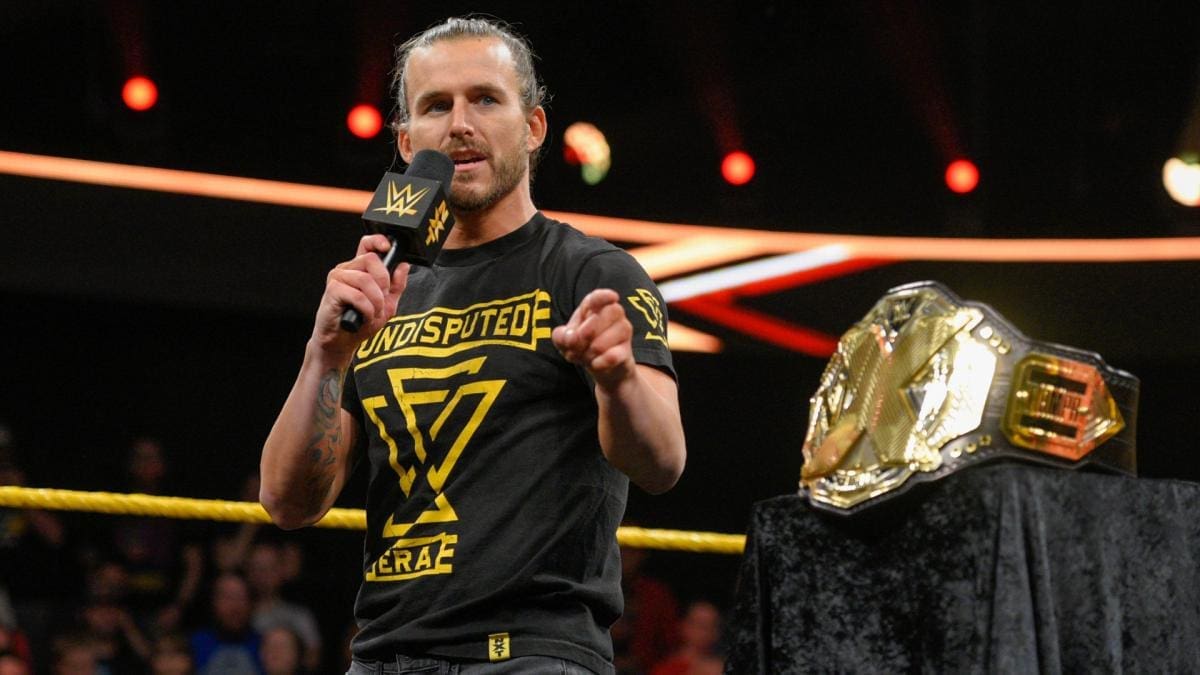
    2. Adam Cole

    Cole is the longest single-reigning NXT Champion at 403 days and led the Undisputed Era, widely regarded as the greatest faction in NXT history. From his earth-shattering debut at NXT TakeOver: Brooklyn III, he delivered countless classics against the likes of Gargano, Ciampa and Pete Dunne. He was the inaugural North American Champion and the second-ever Triple Crown champion in NXT.

    1. Johnny Gargano

    Often called the heart and soul of NXT, Gargano became the first Triple Crown champion in brand history, holding the NXT, North American and Tag Team titles. His years long feud with Tommaso Ciampa, from beloved tag partners to bitter rivals, produced some of the greatest matches in NXT history. He also earned five NXT Year-End Awards over the course of his career.​​​​​​​​​​​​​​​​ Johnny Wrestling makes the top of a very stacked list.

    Agree or disagree? Let me know!


    ALL OPINIONS ARE THOSE OF THE AUTHOR

  • The Toxic Spider Has the Gold — And She Was Always Going To

    The Toxic Spider Has the Gold — And She Was Always Going To

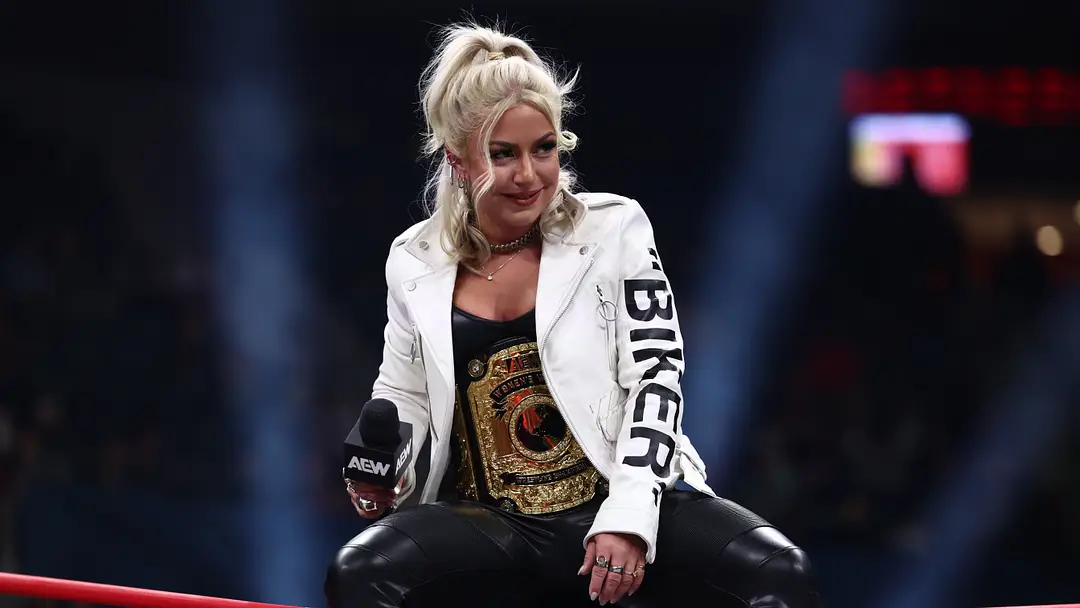
    She stumbled into professional wrestling at a punk-rock show in Vienna when she was 19 years old. Now, at 33, Thekla is the AEW Women’s World Champion.

    There is a version of this story where Thekla Kaischauri never makes it. Where the girl from Vienna with the punk band and the fine arts degree stays on that side of the world, making paintings and playing guitar, and professional wrestling remains just a strange thing she once stumbled into at a show.

    That version does not exist. It never really had a chance.

    An Unlikely Beginning

    Born April 30, 1993, in Vienna, Austria, Thekla holds a Master of Fine Arts degree from the University of Applied Arts Vienna. She describes herself as a creative kid who tried everything — comics, guitar, painting — before finding her true calling in the most unexpected of venues.

    She stumbled into her first taste of wrestling at a local punk-rock show at age 19 and swiftly became obsessed with the bizarre nature of what she witnessed. That obsession would reshape the rest of her life.

    She began her wrestling journey in 2017 in Vienna’s underground scene — a world of pub basements, no ropes and loosely enforced rules that bore little resemblance to mainstream professional wrestling. Her first match in a traditional ring did not come until April 2018, when she competed for Independent Pro Wrestling Germany in Lübeck. Her unconventional entry into the business turned out to be an asset. Having not grown up immersed in wrestling history, she developed a style and character drawn from a far wider range of influences — art, music, punk culture — giving her a creative freedom that more traditionally trained wrestlers rarely possess.

    Japan: A Wrestler is Born

    If Vienna gave Thekla a foundation, Japan built the house.

    She considers herself Japan-bred, having worked within the wrestling-obsessed country as early as late 2017. Being the only foreigner in promotions stacked with elite talent forced rapid development. She did not speak the language at first, and the culture surrounding professional wrestling was unlike anything she had encountered in Europe. The crucible made her.

    In late 2021, Thekla made the leap to World Wonder Ring Stardom, where she worked alongside bigger names such as Giulia and Mina Shirakawa. She competed there through 2025, becoming one of the few high-profile gaijin — foreign wrestlers — to establish herself meaningfully in Japanese women’s wrestling.

    Her time in Japan was not limited to the ring. During her years in Tokyo, Thekla exhibited her artwork in three solo exhibitions, including one at the Austrian Embassy in Tokyo — a reminder that the artist and the athlete were never far apart.

    The Move to AEW

    Thekla officially completed her contractual obligations with Stardom following the promotion’s All-Star Grand Queendom event on April 27, 2025. Her departure was marked by a storyline firing angle after her match, providing a definitive end to her successful run there.

    The American wrestling market came calling quickly. Reports indicated that WWE had its eye on her and that All Elite Wrestling had developed significant interest toward the end of 2024. She chose AEW, making her on-screen debut May 28, 2025, on Dynamite.

    The Toxic Spider

    What separates Thekla from the rest of the AEW women’s roster is not just her background — it is how all of that background manifests the moment she steps through the curtain.

    She carries herself with the effortless menace of someone who has nothing left to prove and everything left to take. Her in-ring style is chaotic and precise in equal measure — limb-targeting submissions wound around spider-like movement, sudden bursts of violence punctuated by a cold, unhurried composure that makes her more unsettling than any screaming heel on the roster. She does not chase the crowd’s reaction. She makes the crowd chase her.

    The nickname fits. The Toxic Spider does not brawl. She traps.

    Champion

    The payoff came on Feb. 11, 2026, when Thekla defeated Kris Statlander in a strap match on Dynamite to capture the AEW Women’s World Championship. She is now the reigning champion and a member of the Triangle of Madness stable alongside Julia Hart and Skye Blue.

    The stable also represented AEW in the CMLL Grand Prix de Amazonas at Arena Mexico in October 2025, marking Thekla’s lucha libre debut and underscoring the global footprint she has built across three continents.


    For fans who are only now discovering her, the career arc speaks for itself — from a punk show in Vienna, to the dojos of Tokyo, to the top of one of America’s premier wrestling promotions. She did not take the expected road. She did not take any road at all. She carved through the wilderness on her own terms, and now she stands at the summit holding a championship that looks like it was made for her. Maybe it was.


  • Top 10 Greatest Mic Workers in Pro Wrestling History

    Top 10 Greatest Mic Workers in Pro Wrestling History

    A finishing move can end a match. A great promo can end a career — or launch one into the stratosphere. These 10 wrestlers understood something most never fully grasp: in professional wrestling, the microphone is the most dangerous weapon in the building.


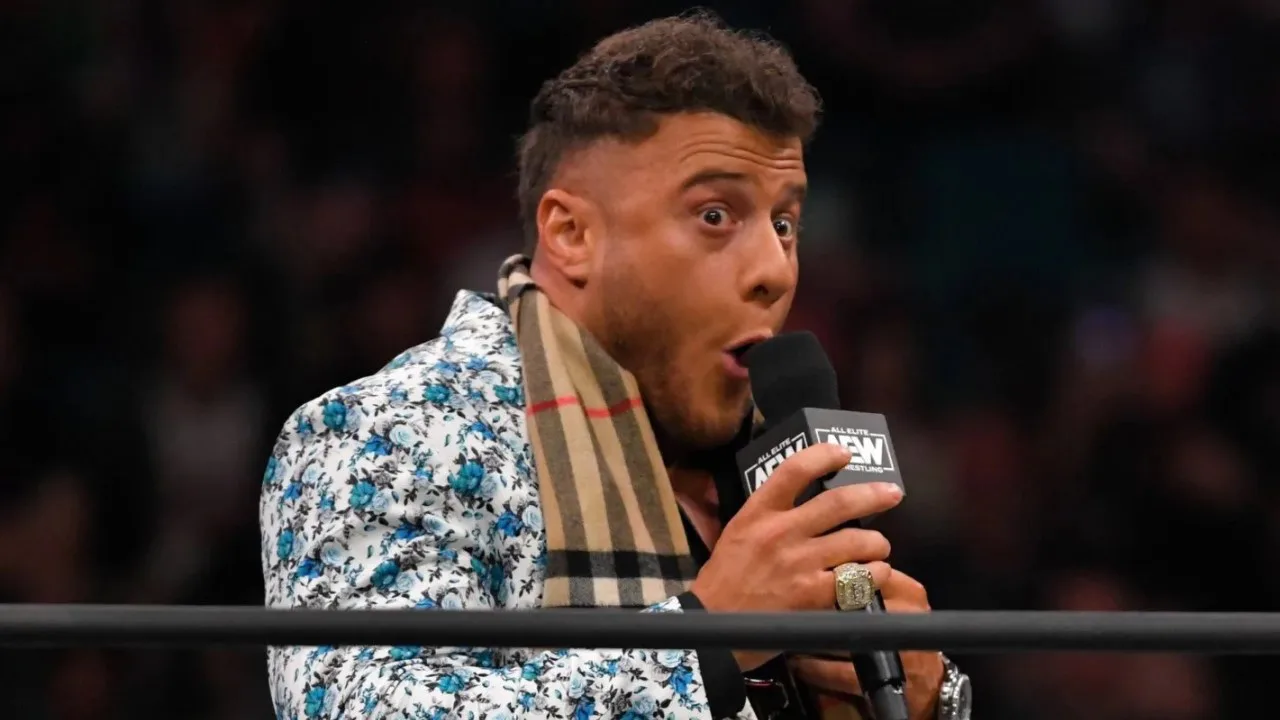
    10. MJF

    AEW • 2019–PRESENT

    Maxwell Jacob Friedman is the best heel talker of his generation and the strongest argument that elite mic work is not a relic of a previous era. MJF is clearly a student of the game. His promos are technically constructed with the precision of a trained writer — knowing exactly when to go personal, when to break kayfabe and when to let the crowd’s hatred fuel the next sentence. Just recent turning 30, MJF has already produced promo work that belongs in the same conversation as the legends above him on this list. You can see bits and pieces from the rest of the field in his work  

    9. Steve Austin

    WCW / WWE • 1989–2003

    Stone Cold Steve Austin’s mic work was deceptively simple — short sentences, blue collar attitude and a consistent philosophical code about beer, stubbornness and not taking orders. That simplicity was pure genius, because every word Austin said felt like something a real person in the audience would actually think or want to say themselves. His promos didn’t just over deliver on crowd reaction; they created a cultural identity that resonated far beyond wrestling fans. Add in the raspy Texas accent and 99% of the time you could feel his words.

    8. John Cena

    WWE • 2000–2025

    John Cena’s mic work is one of the most underrated in wrestling history, largely because his babyface run drew so much heat that fans overlooked how technically accomplished he was at promos. His rap-influenced early character gave him a comedic edge and quick wittedness that few main event stars of his era could match. When Cena went serious — particularly in feuds with CM Punk and The Rock — he consistently delivered the kind of composed, layered promo work that belongs in any legitimate conversation about the best talkers of his generation.

    7. Paul Heyman

    ECW / WCW / WWE • 1987–PRESENT

    Paul Heyman is the closest thing to a pure orator professional wrestling has ever produced — a man who could take the most absurd premise and present it with the conviction of a closing argument before a jury. As both a performer and an advocate for Brock Lesnar, he demonstrated that great mic work is fundamentally about persuasion, not volume. His promos don’t just sell matches; they reframe the entire narrative around his client as inevitable and undeniable. 

    6.  Roddy Piper

    NWA / WCW / WWE • 1975–2011

    Roddy Piper was the original unpredictable — a man who could shift from hilarious to genuinely unnerving in a single sentence, and frequently did. His Piper’s Pit segments set the template for the wrestling talk show format precisely because he could not be scripted into a corner; he found the live wire in every exchange and grabbed it with both hands. Piper’s gift was making everyone around him seem like they were improvising just to keep up.

    5. Jake “The Snake” Roberts

    WWE / WCW / INDIES • 1974–2018

    Where most wrestlers screamed to get their point across, Jake Roberts whispered — and arenas went dead silent. His mic work was psychological rather than theatrical, built on menace, metaphor and the unsettling calm of a man who had already decided what he was going to do to you. Roberts proved that restraint could be more terrifying than anything a louder wrestler could offer.

    4. The Rock

    WWE • 1996–PRESENT

    The Rock turned catchphrases into cultural currency and crowd work into an art form, operating on a comedic timing and rhythm that most stand-up comedians would envy. His genius was making the audience feel like participants rather than spectators — his call-and-response style gave arenas of 20,000 people the illusion they were having a private conversation with him. No wrestler before or since has crossed over into mainstream entertainment on the strength of mic work alone quite like Dwayne Johnson did.

    3.  CM Punk

    ROH / WWE / AEW • 2002–PRESENT

    CM Punk’s 2011 “pipe bomb” promo remains the most electrifying unscripted moment in modern wrestling, but it was no accident — it was the product of a career built on sharp, specific and brutally honest mic work. Punk spoke with the controlled rage of someone who actually meant every single word, which made him uniquely credible in an era of polished corporate promos. Even his detractors concede that when the microphone was in his hand, you could not change the channel.

    2.  Dusty Rhodes

    NWA / WCW / WWE • 1974–2010

    The American Dream spoke directly to working-class audiences in a way no other wrestler in history has managed to replicate. His promos were loose, rambling and deeply emotional — yet somehow always landed exactly where they needed to. Dusty turned vulnerability into a superpower, and crowds didn’t just cheer for him; they believed him.

    1.  Ric Flair

    NWA / WCW / WWE • 1972–2011

    No one in wrestling history combined volume, charisma and pure spectacle the way Ric Flair did every time he grabbed a microphone. His promos were operatic performances — part carnival barker, part Shakespearean villain — delivered with a conviction that made every word feel like gospel. Whether he was bragging about limousine rides and jet plane flights or begging for mercy on his knees, Flair was incapable of giving a dull moment. I’m sure if you asked all men ranked behind him, they would agree he would be #1.


    ALL OPINIONS ARE THOSE OF THE AUTHOR


  • Should WWE Wrestlers Unionize? | Column

    Should WWE Wrestlers Unionize? | Column

    As WWE continues to grow into a global powerhouse, the conversation around how its talent is classified and treated is becoming harder to ignore. Record gates, but then talent asked to take larger than life pay cuts—really? The company is thriving financially, driven by media rights deals, premium live events and international expansion. Yet the structure surrounding its performers has remained largely unchanged for decades.

    WWE talent are labeled as independent contractors, but their day-to-day reality tells a different story. Wrestlers operate on company schedules, follow creative direction and often face restrictions on outside opportunities. WWE is in control. That level of control more closely resembles traditional employment, but without the same protections. It is a contradiction that has lingered over the industry for years, and one that feels increasingly outdated in a modern corporate landscape.

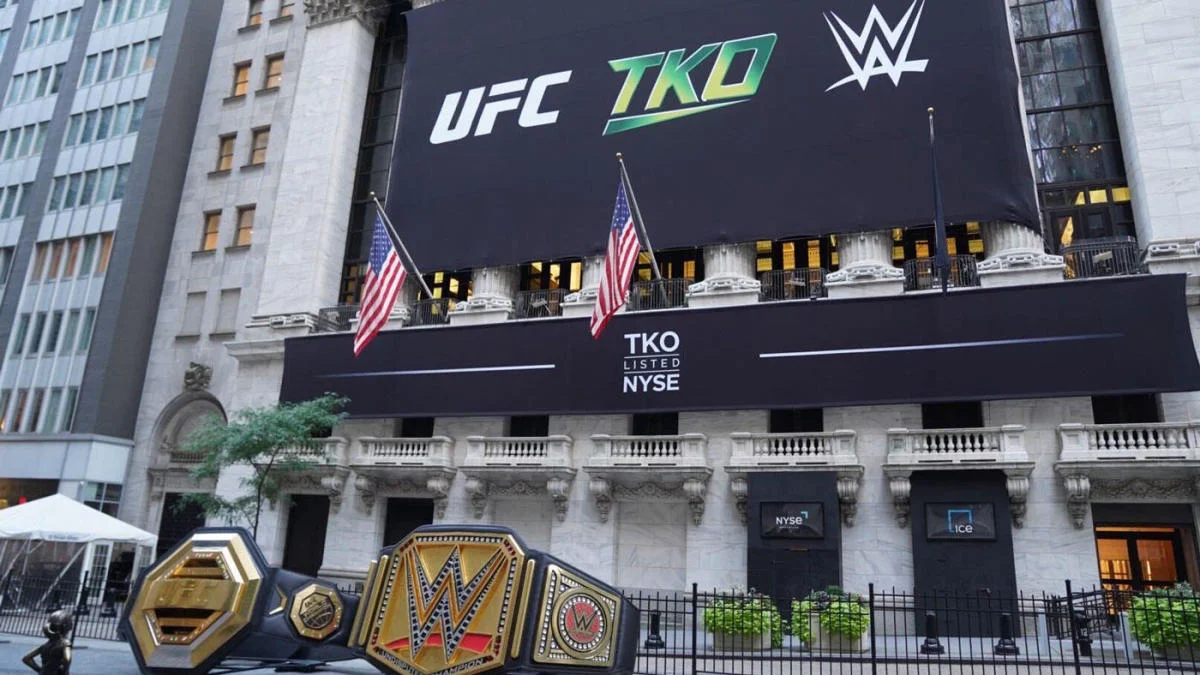
    Under TKO Group Holdings, WWE has become even more aligned with big business practices. The company is now part of a larger publicly traded entity with clear financial expectations. That shift has brought stability and growth, but it has also highlighted the imbalance between ownership and talent. In most major industries, that kind of imbalance is addressed through collective bargaining. In wrestling, it still is not.

    The physical demands of the profession make the issue much more urgent. Professional wrestlers combine athletic performance with live entertainment, often working through injuries while maintaining a relentless travel schedule. The work load has lessened up, sure, but the risk is still there. Unlike athletes in the NFL or NBA, WWE performers do not have a union to negotiate standardized healthcare, pensions or long-term support. Each contract is handled individually, which limits leverage and creates inconsistency across the roster.

    Unionization would provide a framework for addressing those concerns. It could establish baseline protections such as injury protocols, legitimate minimum contract standards and clearer guidelines around scheduling.  It would also give talent a collective voice when it comes to working conditions and compensation. For an industry built on individual stardom, that kind of unity has always been difficult to achieve, but it may now be necessary.

    Past attempts to organize have not succeeded. The most well-known effort came from Jesse Ventura in the 1980s, when he pushed for a union among WWE talent. The idea never gained enough traction, reportedly due to internal resistance and fear of retaliation. Thanks, Hulkster! That moment has become part of wrestling lore, often cited as a missed opportunity for long-term change. Each year that passes feels like the chance of unionization is impossible.

    The environment today is different. Wrestlers are more aware of their value, both as performers and as brands. Social media has given them direct access to fans and a platform to speak openly about their experiences. There is also more competition in the industry, with promotions like All Elite Wrestling offering alternative paths for top talent. That competition may not be enough to shift the balance of power on its own, but it does create leverage that did not exist in previous eras. Leverage is key.

    Critics of unionization often point to the unique nature of professional wrestling. They argue that adding structure could limit creative flexibility or slow down decision-making. Wrestling thrives on spontaneity, and the ability to adjust storylines quickly is part of its appeal. Those concerns are valid, but they are not unique to wrestling. Other major sports leagues operate under union agreements while still producing compelling, unpredictable content.

    The larger issue is sustainability. As WWE continues to expand, the expectations placed on its performers are only increasing. Without a system that provides consistent protections, the gap between the company’s success and the talent’s security will continue to grow. Unionization would not eliminate every challenge, but it would create a foundation for addressing them in a more balanced way. You can’t have futuristic and record breaking numbers, but the treatment of workers is similar to those from the 80’s. It’s outdated.

    For now, the idea remains more discussion than reality. Organizing a roster of independent-minded performers is no small task, and the risks are real. Most talent are afraid to speak out, due to fear of being blackballed. Those are real things.  But as the industry evolves, so does the conversation. WWE has never been bigger. The question is whether its talent will remain on the outside of that growth, or finally come together to claim a voice within it.

    Support Independent Contractors

  • The Best Lucha de Apuestas of the XXI Century

    The Best Lucha de Apuestas of the XXI Century

    On May 30th, Lucha Libre AAA presents La Noche de los Grandes, an event that will feature the climax of one of the most intense rivalries in the recent years of the Mexican promotion, a Mask vs Mask Lucha de Apuestas between El Grande Americano vs The Original Grande Americano, a match long awaited by the Mexican fans ever since the once controversial character made its debut last year on the company after the purchase by WWE. If you aren’t familiar with the concept: A Lucha de Apuestas is the most important stipulation in Lucha Libre culture and is used as as the culmination of an important rivalry that has seen the fall of the most important Masks in history, the iconic hairstyles and on some occasions: A name of a character on the line. It is very common that when a Luchador loses his mask, he reveals all the information about their “secret” identity, such as their real name, birthplace and the exact years they’ve been wrestling as its very common on Lucha Libre that this information is kept private until they lose a match with said stipulation or pass away.

    Today, we will review what are possibly the most important Lucha de Apuestas from the year 2000 onwards in preparation to the collision between the two Grande Americanos.

    10.) Pentagon Jr vs Villano IV – Triplemania XXX: Mexico City (October 15th, 2022)
    AAA tried doing multiple dates of Triplemania for several years on different locations of Mexico to try and give more importance to the name of the event. In the year 2022, AAA had a tournament named Ruleta de la Muerte, the concept of the tourney was that the losers of the matches would “avance” towards the finals, in said finals, both competitors would put their Mask on the line. The tournament involved heavy names such as Rayo de Jalisco Jr, Blue Demon Jr, L.A Park, Psycho Clown, Canek, Último Dragón and the two finalists: Pentagón Jr (Penta) and the legend Villano IV. Match was remembered as a violent showcase between both competitors, a 57-year-old Villano IV taking bumps on the floor outside the ring, Pentagon Jr’s mask getting ripped and dripping blood after constant and violent attacks by Villano IV that would end up with the iconic picture of Penta holding up Villano’s mask and the emotional speech by the legend after taking his mask off and subsequently retiring from the industry less than a year later.

    9.) La Parka vs Cibernético – Triplemania XII (June 20th, 2004)
    Right off the bat, this is the type of match many fans are expecting from both Grande Americanos, an overbooked extravaganza. On the year 2004, AAA founder Antonio Peña’s mark of liking to do dramatic, over the top stuff on every single major match the company featured was part of the magic that made AAA special and very different to what CMLL was. La Parka vs Cibernético is proof of that as the match isn’t really remembered by what happened inside the ring but for what happened around the ring during the contest such as the kidnapping on an ambulance of the original TV character “Televisa Deportes” by Los Vipers before Antonio Peña himself saved him after a motorcycle chase to said ambulance (this was shown on the broadcast of the match) and would end with Gronda, Octagon and many more Luchadores coming to the rescue of La Parka before a rollup finish secured the victory for the skeleton and subsequently winning the mask of “El Main Man de la Lucha Libre”, as Cibernético has said on multiple occasions, this is the match that made his bond with Chuy (Parka) stronger than ever as they were close friends in real life.

    8.) Nicho el Millonario (Psicosis I) vs Psicosis III – Triplemania XIII (May 15th, 2005)
    Many people remember the popular character Psicosis/Psychosis during the ECW and WCW days and even his short WWE run during the Ruthless Aggression era, little do they know that he’s had a history of several Lucha de Apuestas in his long tenure as a Luchador, losing his mask TWICE, on in Mexico to Rey Mysterio Jr and one in the United States to Billy Kidman. After wrestling many years outside of AAA, he lost a legal dispute for the name during the year 2000, becoming Nicho el Millonario on the independent scene while AAA gave the Psicosis name to another competitor who would go on wrestling with the iconic mask for 27 years. On Triplemania XIII, both Psicosis faced each other on a violent and iconic Lucha de Apuestas that involved brawls throughout the Plaza de Toros in Guadalajara, Mexico and the use of several objects to see who was worthy of keeping the Psicosis name. During the final moments of the match, longtime friend of Nicho, Histeria, interfered on the contest and attacked Psicosis II, only to end up betraying Nicho when he tried to open the box and opening the box himself, resulting in a no contest ending that evolved into a story of Histeria calling himself Psycho-Histeria as he said he owned the name after taking the “legal documents.” AAA would end up reversing this decision as Histeria was not an official competitor of the match, leaving Psicosis II with the name while Nicho El Millonario continued under this name until his departure from Lucha Libre AAA.

    7.) Atlantis vs La Sombra (Andrade) – CMLL 82nd Anniversary (September 18th, 2015)
    By the year 2015, Atlantis was considered one of Mexico’s greatest Luchadores ever after taking some of the most iconic masks in history while on the other hand, you had the young rising star La Sombra, who two years before this contest won a Lucha de Apuestas against the iconic Volador Jr, which cause La Sombra to work a more intense and rudo style that stablished him as one of the top acts of the company. Over the summer of 2015, Los Ingobernables (Rush & La Sombra) would wrestle several of the tecnicos tag teams to start making a name for themselves as one of the biggest threats until they ended up facing Atlantis on several occasions, which ignited the rivalry between La Sombra and Atlantis, with Sombra attacking the legend on constant occasions, which resulted in a match between both winner of the two previous Anniversary Shows, resulting in an epic two-out-of-three falls with Atlantis emerging once again victorious on a Lucha de Apuestas. La Sombra would unmask himself and subsequently became Andrade “Cien” Almas and making the jump to WWE, capitalizing on all the eyes generated from this match.

    6.) L.A Park vs La Parka – Triplemania XVIII (June 6th, 2010)
    A match that felt like watching a mirror for a generation. Many people remember the iconic, skeleton like masked Luchador La Parka from WCW, who started using this gimmick on AAA and was part of the group of Luchadores that wanted to mark a difference outside Mexico. But there was a big factor in this story, and it was AAA’s own founder: Antonio Peña, who felt that he couldn’t have his product without the iconic Parka character and ended up giving it to 29-year-old luchador, Karis La Momia, thus becoming the second incarnation of La Parka. Adolfo Tapia (the first Parka) would go on saying the way they revoked the name from him was unfair as he built a name with all his effort, thus renaming himself La Parka Original, later L.A Park (L.A meaning “La Autentica Parka”, The Authentic Parka). After Park left WCW, he competed in the independent circuit and CMLL, while La Parka became one fo AAA’s most important roster members and also winning the already mentioned Cibernético mask, until Park returned in 2010, laying out the challenge that he should be the only man known as La Parka and not a “wannabe impostor”, this would lead to tensions for several months until Triplemania XVIII. The winner of the match would be the rightful owner of the name the same way it previously happened with both Psicosis. The match featured the interference of Joaquin and Dorian Roldan, who became the two people in charge of AAA after its founder, Antonio Peña, passed away in 2006. Dorian originally sided with Park but mid match betrayed him until the final moments of the contest when popular stable Los Perros del Mal interfered and dragged Park’s body to a knocked-out Parka, subsequently winning the match and originally keeping the name. The Mexico City Boxing and Lucha Libre Commission would later revert the results of this match as the involved of Los Perros del Mal was controversial and La Parka kept the name while L.A Park continued with this name and worked as a freelancer with the company but not with all the negative critics of the chaotic match.

    5.) Psycho Clown vs Dr Wagner Jr – Triplemania XXV (August 26th, 2017)
    Starting strong with the top five Lucha de Apuestas comes one of the most controversial ones that took place in Triplemania XXV. The story started a year prior during the main event of Triplemania XXIV, which featured Psycho Clown vs Pagano. Wagner interfered during this match to rescue Psycho from an attack by Nicho el Millonario and Damian 666, only for him to betray Psycho with a low blow followed by a Wagner Driver. Despite this, Psycho would go on and win the match, shaving Pagano’s head. Wagner would challenge Psycho to a mask vs mask match that would go on and build for an entire year before reaching its climax. As Triplemania was getting closer, Psycho Clown got betrayed by Monster and Murder Clown, with whom they created the original trio of Psycho Circus. Despite all this, Wagner Jr assisted Psycho in multiple tag matches against the now rudo clowns. Finally, when the match occurred, Psycho Clown secured the victory with a Code Red after almost 30 minutes, marking the end of an era for such an iconic Luchador like Dr Wagner Jr. This decision caused very negative comments, as Wagner got called a sellout for allowing this to happen, which is something AAA wasn’t expecting back then as they visioned Psycho Clown as the next top Tecnico of the promotion. Wagner Jr would then rename Rey Wagner and would continuously switch between both names every time he wrestled.

    4.) Blue Panther vs Villano V – CMLL 75th Anniversary (September 19, 2008)
    The Imperial Dynasty, or Los Villanos, were indeed, Villains to the Wrestling industry as they are some of the most memorable rudos that the industry has ever witnessed, you combine this with Blue Panther who is arguably one of the most influential wrestlers ever, not just in Mexico, but on the world as his innovative style is reflected on many icons the world has seen, especially on the likes of Bryan Danielson. This was an emotional contest, as both legends were accompanied by then rising stars Hijo del Perro Aguayo/Perro Aguayo Jr on Villano V’s side and Místico on Blue Panther’s side. And, after 21 minutes of a very acclaimed technical match, Villano V pinned El Maestro Lagunero and taking his mask, revealing the face of Blue Panther to the world as the man known as Genaro Vazquez Nevarez. Despite this, Blue Panther still wears his iconic mask with previous authorization for matches he considers special while Villano V would lose his mask a year later against Ultimo Guerrero.

    3.) Místico vs Black Warrior – CMLL 73rd Anniversary (September 29th, 2006)
    Anybody that has followed Mistico for a long period has heard who Black Warrior was, as he is the man responsible for Mistico’s boom during the mid 2000’s due to their iconic rivalry that reached its highest point at the CMLL 73rd Anniversary Show when both individuals put their masks on the line in the main event of the evening. This event was remarkable as CMLL had a long list of veterans that could’ve been the main event of that evening, but it all came to the newest generation of Luchadores willing to proof their worth. The two-out-of-three falls match lasted for over 15 minutes; the first fall came three minutes into the match when Black Warrior submitted Mistico with La Tapatia. During the second fall, Warrior ripped Mistico’s mask off to a classic look of a beaten-up Principe de Plata y Oro, but Black Warrior’s confidence backfired and Mistico tied the score with a pinfall. Then, during the third and final fall, Mistico returned the favor to Black Warrior, ripping his mask to a very invested crowd and continued to go back and forth until Mistico finally locked in La Mistica to beat his rival in his second Lucha de Apuestas and probably his most iconic one until the contest with El Negro Casas years later.

    2.) Atlantis vs Ultimo Guerrero – CMLL 81st Anniversary (September 19th, 2014)
    To many individuals, this was the last time a Lucha de Apuestas had a heavy weight until what will come on May 30th at Noche de los Grandes. A culmination of many years of rivalry between two former tag team partners. The rivalry was reignited to a high point during the 2013 Torneo Nacional de Parejas Increibles by forcing both individuals to tag team once again despite of years being rivals until they lost the finals of the tournament during 2013’s edition of Homenaje a Dos Leyendas, causing frustration on both Atlantis and UG, causing a brawl between them that ended up with Atlantis ripping off Guerrero’s mask. Later, they both signed a contract to seal a deal for a Mask vs Mask match without announcing a date and during Atlantis’ 30th Anniversary as a wrestler, Ultimo Guerrero attacked him, seeking vengeance after many months of verbal and physical altercations. The match was planned for the 80th Anniversary but plans never came to fruition until the 81st Anniversary after the event Juicio Final in 2014 at which the match was made official. Ultimo Guerrero pinned Atlantis for the first fall while Atlantis tied the score with a submission with one of Ultimo Guerrero’s favorite holds, El Pulpo. You could feel the tension in this match as both legends never lost a Lucha de Apuestas before this match with such a resume between the two with an actual possibility of Atlantis, a real-life superhero for the children, losing his mask. After almost 18 minutes of war, Atlantis locked in La Atlantida and ended the almost decade-long rivalry, unmasking Ultimo Guerrero who couldn’t avoid getting emotional, breaking into tears during the post-match ceremony and giving up his mask to Atlantis.

    1.) Atlantis vs Villano III – CMLL Homenaje a Dos Leyendas 2000: Juicio Final (March 17th, 2000)
    One could say anything about this match, but there’s no doubt it’s the best Lucha de Apuestas in history and one of the greatest wrestling matches the mankind has ever seen. A lot of words could be said, but why hear or read it? Watch it and witness it yourself with your own eyes.
    VILLANO III vs ATLANTIS Máscara vs Máscara

  • Half the Pay, Same Risk: WWE’s Dangerous Gamble | Column

    Half the Pay, Same Risk: WWE’s Dangerous Gamble | Column

    If the reports about TKO pushing major talent to take 50 percent pay cuts are true, it is hard to see this as anything but a self-inflicted problem.

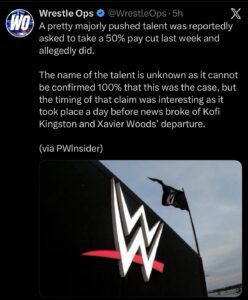
    A recent report circulating online via PWInsider claims that a “pretty major” pushed star was asked to take a 50 percent cut and agreed to it. The name has not been confirmed, but the timing raised eyebrows, coming just before news involving Kofi Kingston and Xavier Woods made headlines. Even without full confirmation, the idea alone is enough to send a message.

    @WrestleOps aggregation of PWInsider’s report

    And it is not a good one.

    WWE has spent years presenting itself as a booming global brand. Massive TV deals. The big leagues. Packed arenas. Record-setting revenue. We hear it nearly every single PLE, and especially during WrestleMania. That does not line up with cutting your talents salary in half.  You cannot sell growth while quietly asking the roster to take less. Fans notices this immediately. That contradiction is impossible to ignore.

    Inside the locker room, a move like that changes everything. Wrestlers are already covering travel, gear, training and often medical costs as independent contractors. Their pay is not just income, it is what keeps the job sustainable. It’s what helps them be presented as the superstars that they are. Slashing their pay that much is not just business. It is personal. Not every wrestler you see on television live the luxurious lives as the top of the card main event talent.  There are no private jets, no larger than life tour buses, and no entourage of staff to help with daily necessities.

    It also comes at a time when talent actually has options. All Elite Wrestling is established. International promotions are viable. The independent scene is active. This is not an era where WWE can assume everyone will just stay put. Look at Kofi Kingston and Xavier Woods for example.

    We have seen what happens when leverage shifts. During the Monday Night Wars, competition drove salaries up because talent had choices. If pay cuts like this are real, WWE is handing that leverage right back.

    The bigger issue is value. WWE is built on its performers. If those performers start to feel like they are being treated as replaceable, it shows. Morale sinks. Energy drops. Performances suffer. The product feels it. The fans feel it.

    Maybe there is more to the story. Maybe nothing this extreme becomes policy. But even the perception of it is damaging. Does TKO care about the outrage on the internet? No. The WWE machine will continue on.

    You cannot build a stronger company by telling your talent they are worth less.

    The power should be with the talent, and hopefully more of them develop a spine like Kingston and Woods.

  • Top 10 WWE What If Moments That Changed Everything

    Top 10 WWE What If Moments That Changed Everything

    We all know professional wrestling is scripted. But its history is shaped by very real decisions, injuries and moments that cannot be undone. The bookers don’t have a crystal ball. One wrong booking call or unexpected turn can ripple across years of storytelling and change how fans remember an entire era. WWE, more than any company, has built its legacy on these turning points. Looking back, it is hard not to wonder how different things might feel today if even one of these moments had gone the other way.

    10. What if Nexus actually beat John Cena at SummerSlam 2010?

    Nexus arrived as a fresh concept, but their loss to John Cena at Summer Slam 2010 cooled them off almost immediately. A victory could have established Wade Barrett as a defining villain of the era and given WWE a new wave of credible stars.

    9. What if CM Punk never left in 2014?

    CM Punk walked out in January 2014, just after the Royal Rumble, while still one of WWE’s most authentic voices. If he had stayed, WWE might have handled rising fan frustration in the mid-2010s differently and leaned more into the kind of storytelling audiences were demanding. Also, this would have a butterfly effect on All Elite Wrestling as well. I personally think he would have made the jump in 2019 out of frustration.

    8. What if The Streak never ended at WrestleMania 30?

    The decision for Brock Lesnar to defeat The Undertaker at WrestleMania 30 remains one of the most shocking calls in company history. Protecting The Streak could have preserved a once-in-a-lifetime attraction and saved that moment for a younger star who needed it more. Did Brock need it? Absolutely not. Would a Bray Wyatt victory meant more? Without a doubt.

    7. What if WCW bought WWE in 2001 instead?

    I think about this very often. When WWE purchased World Championship Wrestling March 2001, it ended the Monday Night Wars. If the outcome had been reversed, the industry might have developed into a more competitive landscape instead of one company dominating for decades. Until 2019, WWE was an absolute monopoly. It is still most lucrative promotion, but with AEW, there is now a legit competitor and alternative. If WCW won, there would be no AEW, or even TNA.

    6. What if Stone Cold never turned heel at WrestleMania X-Seven?

    Stone Cold Steve Austin aligned with Vince McMahon at WrestleMania X-7 in April 2001, a move that clashed with fan expectations. Keeping Austin as a rebellious hero might have extended the peak of the Attitude Era and maintained stronger audience momentum.

    5. What if John Cena turned heel during his peak years?

    Between 2011 and 2013, fans loudly pushed for John Cena to turn heel. Pulling the trigger then could have refreshed his character and dramatically shifted WWE storytelling during a transitional era. We also would not have gotten the god awful heel run that was rushed during his retirement run in 2025.

    4. What if Shawn Michaels never had to step away in 1998?

    A serious back injury forced Shawn Michaels out after WrestleMania XIV in March 1998, sidelining him for four years. A healthy Michaels during that stretch could have produced major rivalries with The Rock and Austin, reshaping key Attitude Era storylines. Can you imagine four more years of prime HBK? Imagine Roman Reigns being gone for FOUR years.

    3. What if Roman Reigns was accepted as a babyface from the start?

    After The Shield split in 2014, Roman Reigns was quickly positioned as WWE’s next top star. He was shoved down fans throats at any given opportunity. Early fan acceptance might have avoided years of uneven booking and changed how WWE built its main event scene. Do we get a Tribal Chief? I don’t think so. Do we get a four year title run? Nope. Does Cody Rhodes finish his story? Absolutely not.

    2. What if Bret Hart never left WWE in 1997?

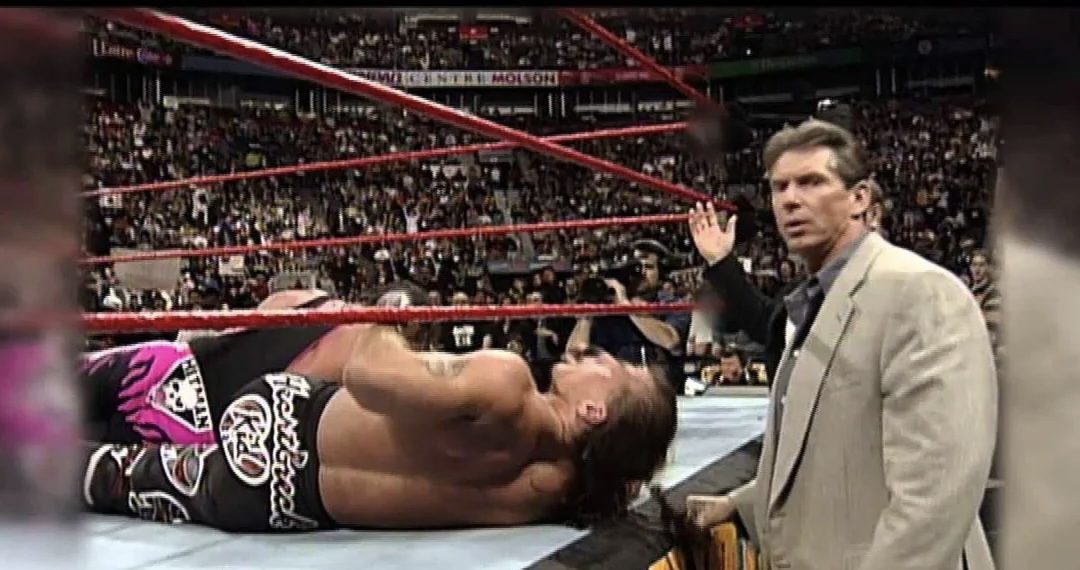
    The Montreal Screwjob at Survivor Series 1997 forced Bret Hart out under controversial circumstances. Without it, the rise of the Mr. McMahon character and its rivalry with Austin may have unfolded very differently. The Attitude Era landscape would look MUCH different.

    1. What if Owen Hart never died in 1999?

    The tragedy at Over the Edge 1999 cut short the life and career of Owen Hart. His continued presence could have elevated an already stacked roster and further strengthened the Hart family’s place in wrestling history. To the fans of this generation who witnessed, or were just around to take this in at home, it will forever leave a black mark on WWE’s legacy. This isn’t about accolades and titles, it is about a father and husband that gave his life to do what he loved, and to entertain the fans. Children lost their father, a wife lost her soulmate, and the world lost a great man. Never forget Owen Hart.

  • Are Long Title Reigns Hurting Modern Wrestling?

    Are Long Title Reigns Hurting Modern Wrestling?

    In modern professional wrestling, dominance has become the standard. For the most part, champions are no longer meant to feel vulnerable. Instead, they are often presented as unstoppable forces who hold titles for months or even years. On paper, that sounds like a return to prestige. In practice, it has created a different kind of problem. Fans seem to think a title reign is a failure if not held for a lengthy amount of time.

    Long title reigns used to mean something special. They were rare and signaled that a wrestler had reached a level above everyone else. Today, they are far more common, especially at the top of the card. The question is no longer whether long reigns add value. It is whether they are starting to take something away. In WWE, it seems as if long title reigns are used as a way to re-write history. “A New Era!”

    The Case for Dominance

    There is a reason promotions lean into long reigns. A dominant champion can elevate a title simply by holding it. When Roman Reigns carried the top championship in WWE for an extended period, it created a sense of importance around every defense. The title felt like the center of the show.

    A long reign also helps define an era. Fans can look back and associate a stretch of time with one central figure. That kind of consistency is valuable in a business that often shifts quickly. It gives viewers a clear top star and a clear goal for everyone chasing them.

    There is also the argument that modern wrestling needs fewer title changes. Weekly television and constant content can make championships feel less important if they switch hands too often. A long reign can counter that by restoring the idea that winning a title is difficult.

    The Predictability Problem

    The downside is just as clear. When a champion holds a title for too long, outcomes start to feel obvious. Fans go into matches expecting the champion to win, not wondering if they might lose. It immediately kills curiosity. That predictability can drain tension from even the biggest matches on the card.

    It also highlights how different today’s booking philosophy is compared to past eras. Some of the biggest stars in wrestling history did not need lengthy title reigns to feel important. The Rock, arguably one of the greatest to ever do it, had multiple world title runs, but many of them were relatively short. Titles changed hands more frequently, yet the championship still felt meaningful because the outcome was never guaranteed. Call me a boomer, but today’s fans would not survive the wrestling world 20 years ago.

    That sense of unpredictability made every defense feel urgent. A challenger was not just filling a spot. They had a real chance. Today, a challenger might be built up for weeks only to fall short in a result that feels inevitable. Over time, that pattern can make it harder for fans to stay invested.

    Collateral Damage on the Roster

    Another issue is what happens to everyone else. When one wrestler sits firmly at the top for an extended period, it limits opportunities for others to break through. Challengers come and go, but few are allowed to truly rise.

    In earlier eras, even short title reigns could create new stars. A wrestler might win the championship briefly and gain credibility that lasted long after the loss. Now, with fewer title changes, those moments are harder to create.

    This can leave the upper midcard crowded with talent that feels stuck. They are presented as contenders, but rarely as equals. Over time, that gap becomes harder to close. One thing I would like to mention is the recent Darby Allin title reign. At the time of this editorial, Allin has had the AEW World Title for two weeks. He has already faced two “mid card” wrestlers in Tommaso Ciampa and Brody King, and given them the spot light in the main event scene, making them both feel like legit contender’s.

    Finding the Balance

    The solution is not to abandon long title reigns altogether. They still have a place in modern wrestling. The key is balance.

    Promotions need to be willing to surprise their audience. That does not mean constant title changes, but it does mean recognizing when a moment calls for one. A well-timed switch can create excitement that carries forward.

    It is also important to build multiple credible challengers at once. When more than one opponent feels like a real threat, matches become less predictable. Even a long reign can feel fresh if the outcome is not obvious.

    The Bigger Picture

    Professional wrestling has always been fluid. Trends rise, peak, and eventually shift. Long title reigns are currently in a dominant phase, driven by the desire to create prestige and stability.

    But prestige without unpredictability can feel hollow. Dominance without risk can feel repetitive.

    The challenge for promotions is not choosing between long reigns and short ones. It is making sure that no matter how long a champion holds a title, fans still believe it could end at any time.