


Recent edits to WWE Raw have reportedly left some members of the company’s post-production department feeling “handcuffed” by Netflix’s content restrictions.
The latest issue arose during the taped August 31 episode, which opened with Royce Keys and OTM members Bronco Nima and Lucien Price attacking The Usos backstage.
The assault left Jey Uso bloodied, but the version shown through Netflix repeatedly blurred his face and other visible blood during the segment.
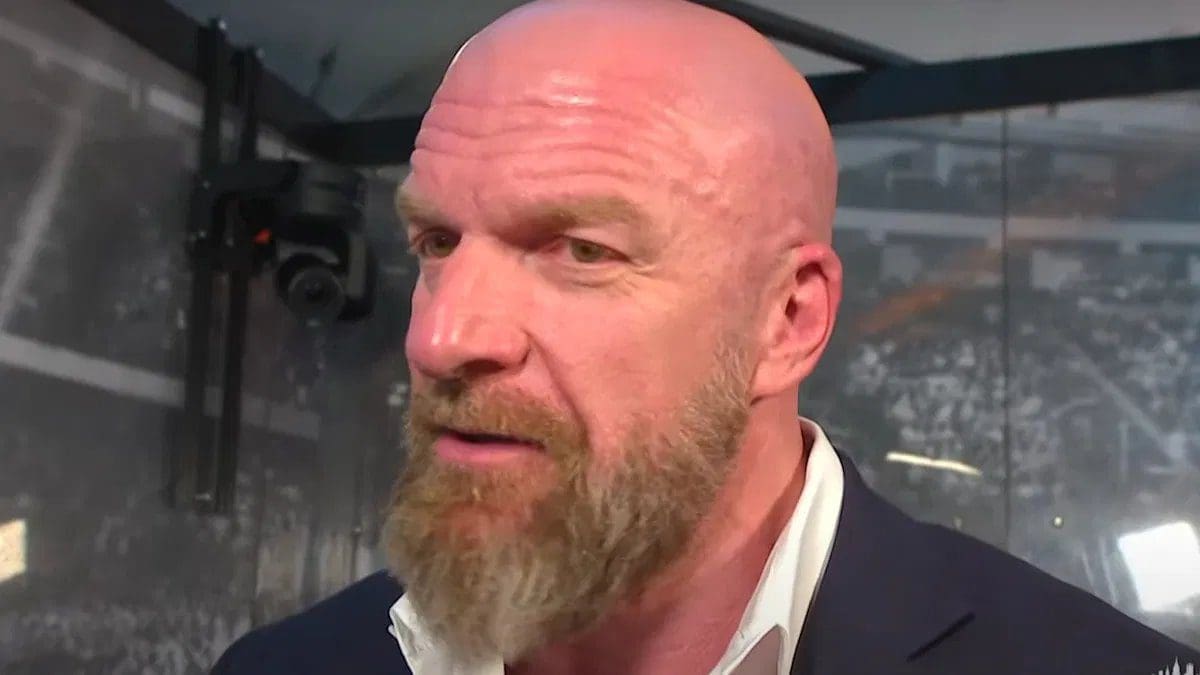
WWE later made the unedited footage available through social media. Chief Content Officer Paul “Triple H” Levesque shared the uncensored version, allowing viewers to see the angle without the blurring that appeared during Raw.
According to WrestleVotes Radio on Fightful Select, WWE knew that its partnership with Netflix would include certain content parameters. However, some people within the company reportedly did not anticipate those restrictions becoming as extensive as they have.
The report added that WWE personnel believed the complete Keys and OTM attack needed to be shown as it was originally conceived. That sentiment reportedly led to the decision to release the uncensored footage online.
The frustration is attributed specifically to some members of WWE’s post-production team. It should not be treated as an official complaint from WWE or evidence that the feeling is shared throughout the company.
The Bloodline angle was also not the first recent Raw segment to be altered on Netflix.
During the live August 3 episode, Becky Lynch directed a sexual insult at Liv Morgan involving Dominik Mysterio. The remark aired during the original broadcast but was subsequently removed from the episode’s on-demand replay.
The Wrestling Observer Newsletter later reported that Lynch’s line had appeared in the approved script rather than being improvised during the segment.
Together, the two incidents illustrate a developing tension between WWE’s intended presentation and the standards applied to Raw’s Netflix distribution. The company can release uncensored material through its own social channels, but that solution does not prevent edits from affecting the version viewers initially receive through its primary broadcast partner.