
The Streaming Wars of Pro Wrestling: How Media Rights Deals Are Reshaping the Industry in 2026

Pro wrestling in 2026 looks different from a decade ago. Big shows are no longer just about arena gates and pay-per-view boxes. Now, streaming platforms, broadcast networks, and their multi-year deals decide who reaches which fans. The money is bigger. The audience is more global. And the consequences are real.
The big players and the headline deals
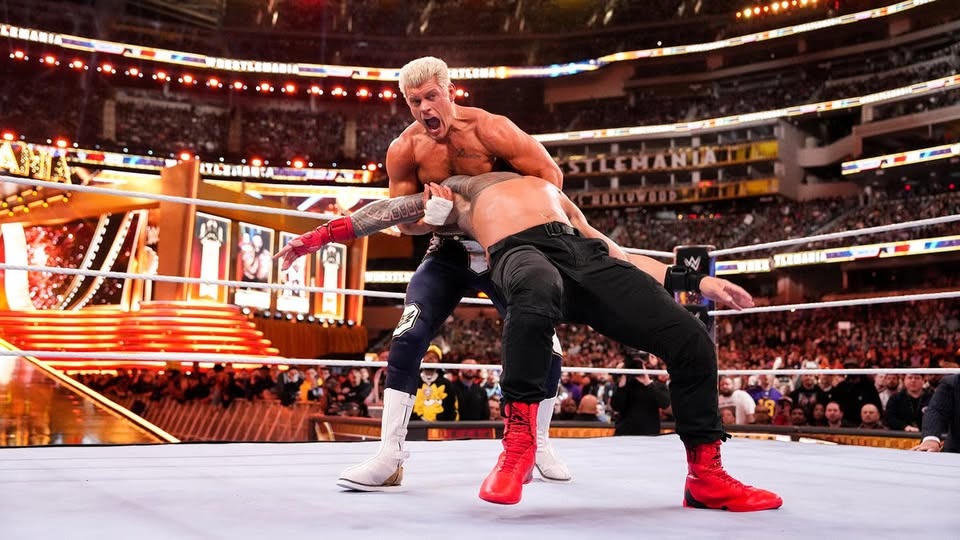
The last few years saw major shifts. WWE moved several marquee properties into new homes and large streaming partnerships that start affecting 2026. One landmark agreement places WWE premium live events onto ESPN’s streaming service beginning in 2026 — a multiyear, high-value contract that reflects how important live sports content has become to streamers.
Across the aisle, AEW renewed with a major media partner, locking in TV and streaming windows and bringing live pay-per-view distribution onto Max. That deal—negotiated with Warner Bros. Discovery—reshaped AEW’s revenue path and placed its PPVs squarely on a mainstream streaming platform.
Smaller promotions are not immune. TNA secured a TV/streaming slot on AMC and its platform. This matters: the long tail of pro wrestling — regional shows, niche belts, developmental rosters — now depends on whether a streamer sees value in their audience.
Why these deals matter — money and reach
Streaming rights change the math. When a streamer pays for exclusive windows, that cash funds production, talent deals, and international expansion. For instance, reported valuations for modern AEW/WBD-style deals (hundreds of millions over multiple years) and WWE’s multi-platform agreements show how live wrestling competes with other sports for scarce streaming dollars. The scale is large: some recent sport/streaming packages run into the billions, and wrestling has begun to command its slice.
Practically: exclusive streaming windows can raise prices for fans who once paid a single monthly fee to see everything. They also make promotions more attractive to sponsors and advertisers, since a guaranteed global audience can be offered in ad bundles or branded content.
Fans, access, and the role of cybersecurity tools
Not everyone gets the same feed. Geo-restrictions, platform exclusivity, and regional blackout rules mean a match in Tokyo might be behind one app in Japan and a different service elsewhere. That creates frustration. It also pushes some viewers toward technical workarounds.
For many fans, tools like VPN apps and dedicated services are framed as privacy and security measures. People use VPN for iOS to protect their data on public Wi-Fi at arenas, and to access foreign live streams when local rights block them. The appeal is simple: a secure connection and VeePN VPN can both protect privacy and expand access to content from other markets. VeePN is one example of such providers used by viewers to reduce geographic friction.
Production, scheduling, and creative changes
With streaming partners dictating windows and cadence, promoters adjust. Longer commercial breaks. More studio segments. Cross-platform mini-series. Netflix-style documentary deals or weekly companion shows are now bargaining chips in rights negotiations. Creative teams must balance storytelling and the demands of global audiences who will clip, repost, and analyze everything in near real time.
Also: live event timing matters. To serve multiple time zones, some promotions stagger start times or create two-night events. That can lead to more ticket packages, more broadcast hours, and—yes—more money. But it also creates fatigue. Not every wrestler thrives under heavier travel + production loads.
Wrestlers, careers, and the economics of exposure
For talent, the shift is two-sided. Bigger media deals mean big paydays for top names and opportunities to become crossover stars. At the same time, the roster beyond the top tier can see fewer domestic appearances if a promotion focuses on streaming-friendly main acts. In short: visibility equals bargaining power. Win the right match on the right platform and you’re suddenly valuable in multiple markets.
Statistics show streaming subscribers weigh live sports and unique events heavily when choosing platforms. Wrestling’s mix of weekly drama plus occasional mega-events makes it a natural fit for streamers chasing retention. (Specific subscriber uplift varies by platform and event; platform owners rarely disclose full breakdowns.)
Global growth, local friction — and an anchor for access
International expansion is both an opportunity and a headache. Japan, Mexico, the UK, and Latin America each require tailored approaches: language, local talent, and streaming partners that understand regional payment habits. Smaller promotions can now reach overseas fans via localized apps or niche OTT services, but they often lack the marketing muscle of the majors.
Access blocks are still relevant and even stronger than ever before. Fans, frustrated by geo-blocks, sometimes turn to services like VeePN to bridge gaps when a show is available in one market but not another. That single sentence has cost and benefit: it signals real demand for more uniform global access, while reminding rights holders they cannot treat regions the same way anymore.
What comes next — consolidation or fragmentation?
There are two plausible futures. One: consolidation. Big media companies continue to buy rights, bundle wrestling with other live sports, and offer larger global packages. Two: fragmentation. More niche platforms, regional deals, and pay-per-event windows create a mosaic of access options. Right now, both happen at once: global streamers sign huge deals while regional players carve out local audiences.
Recent industry moves suggest streamers view wrestling as valuable real-time content that helps retain subscribers. At the same time, promotions without major partners must innovate — better direct-to-consumer apps, localized pricing, or partnerships with regional streamers.
Conclusion
The streaming wars have reshaped pro wrestling by moving power — and money — into media rooms as much as into locker rooms. Fans get more ways to watch, but they may also pay more or navigate more friction. Wrestlers gain global platforms but face new pressures. Promoters must balance creativity with contractual obligations.
One simple takeaway: where a match appears in 2026 is as important as who’s in it. The future will reward promotions that pair smart storytelling with smart distribution — and that understand the technical and legal lines fans will cross to watch the shows they love.
