

Professional wrestling in 2026 has evolved into a decentralized gig economy where a corporate contract is no longer the only path to financial stability. While giants like WWE and AEW still dominate the headlines, a growing middle class of athletes has built a self-sustaining ecosystem through digital branding and diverse revenue streams. Some performers finance their tours through direct fan support, while others secure lucrative partnerships with gaming platforms or an online casino Malaysia to cover their high travel overhead. This shift allows talent to maintain ownership of their characters while bypassing the traditional gatekeepers of the industry.
The Revenue Split: Beyond the Booking Fee
A standard weekend for a high-level independent wrestler involves more than just a match and a shower. In 2026, the booking fee is often the smallest part of the total take home pay. A wrestler might earn 500 dollars for a main event slot, but they walk away with 2000 dollars total after accounting for peripheral sales. This requires a logistical setup that involves portable credit card readers, pre-order pickup stations, and real-time inventory management.
The diversification of income is what keeps the lights on during the off-season or injury spells. Successful wrestlers treat their brand like a retail startup. They monitor which designs sell best in specific regions and adjust their merchandise table accordingly. However, this independence means the wrestler assumes all the overhead costs of production and shipping.
- Direct-to-consumer merchandise sales via personal webstores like Pro Wrestling Tees or Shopify.
- Monthly subscription revenue from platforms like Patreon or Backstage Pass for exclusive video content.
- Personalized fan interactions including video shoutouts and virtual meet and greets.
- Sponsorship deals with supplement brands, gaming companies, or local businesses.
The Infrastructure of Independence
The rise of independent streaming services has provided a global stage for local shows. Platforms like TrillerTV and IWTV allow a wrestler in a small town to be seen by fans in Tokyo or London simultaneously. This visibility translates into digital footprint growth without the need for a national TV slot. High-definition cameras and cheap cellular data mean that a viral moment can be uploaded to social media seconds after it happens in the ring.
This technological shift allows wrestlers to maintain high market value. If a wrestler can prove they move tickets and drive streaming numbers, they hold all the leverage in negotiations. They are no longer just “hired help” but a touring attraction that brings a pre-packaged audience to every promotion they visit.
- Consistent content creation strategy across TikTok, Reels, and X to maintain algorithm relevance.
- Investment in high-quality gear and entrance production to maintain a “major league” look.
- Networking with international promoters to set up overseas tours during domestic lulls.
- Utilization of data analytics to track fan demographics and shipping locations for merch.
Case Studies in Financial Autonomy
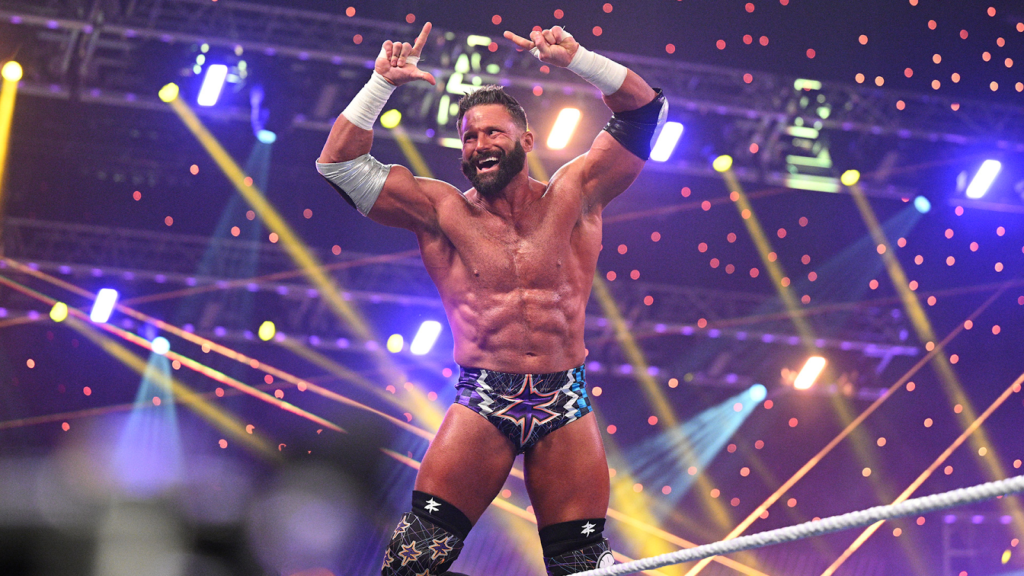
Matt Cardona remains the blueprint for this era, proving that a “released” talent can out-earn their former corporate salary. However, he is the exception rather than the rule. Following his lead, veterans like Nick Nemeth (formerly Dolph Ziggler) and Mustafa Ali have utilized their TV recognition to dominate global territories like TNA and NJPW without signing restrictive long-term deals. They operate as mercenary stars, taking high-profile bookings while maintaining total control over their image.
Another example is the rise of “digital-first” wrestlers. These athletes might only wrestle twenty matches a year but maintain a six-figure income through gaming streams and lifestyle vlogging. While Wardlow or other powerhouses might seek the stability of a big roster, many younger talents choose the high-risk, high-reward path of the freelancer. This strategy reduces physical wear and tear while maximizing financial gain. It is a calculated move that treats wrestling as one component of a larger entertainment portfolio.
Logistics and Physical Management
The freedom of the independent scene comes with the burden of self-management. There is no corporate travel office to book flights or hotels. Wrestlers in 2026 often form “travel pods” to split the costs of rental cars and fuel. They navigate a complex schedule that might see them in Philadelphia on Friday, London on Saturday, and Chicago on Sunday. If a flight is canceled, the loss of income falls solely on the athlete.
This lifestyle requires a level of discipline that rivals any office job. Without a corporate health plan, wrestlers must invest heavily in their own physical maintenance. This includes hiring private trainers, paying for regular physiotherapy, and maintaining a strict diet while on the road. The most successful independent stars view these not as expenses, but as necessary investments in their primary asset.
- Maintaining a dedicated savings account for quarterly tax payments and emergency medical funds.
- Building a support team of editors and social media managers to handle the digital workload.
- Investing in recovery technology like portable ice baths or compression boots for long flights.
- Developing a distinct “gimmick” that is easily recognizable in low-resolution social media clips.
The survival of the independent scene in 2026 proves that the audience values authenticity over branding. Fans are willing to pay more to support a person than a logo. This shift has created a sustainable middle class in professional wrestling where talent can thrive, stay healthy, and remain creative on their own terms, even if the lack of a safety net remains a constant shadow.
