

When most people think of UFC athletes, they picture intense fights, explosive power, and unmatched discipline inside the Octagon. But what happens beyond those bright lights is equally fascinating. UFC athletes live complex, structured, and highly intentional lives that shape everything from the way they train to how they recover and connect with their communities. Their world is a blend of science, culture, personal identity, and lifestyle choices that all contribute to who they are as fighters and as individuals.
Before diving deeper into the training routines and behind-the-scenes culture, here are 5 key elements that define the lifestyle of UFC athletes:
1. A Deeply Rooted Training Culture
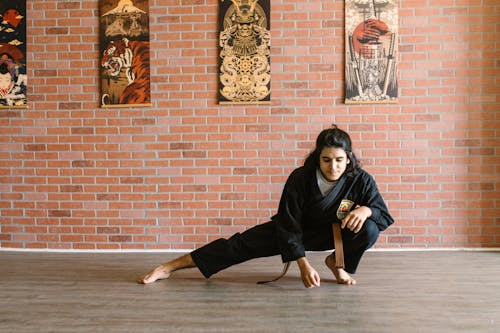
For UFC athletes, training is more than a daily requirement—it’s a lifestyle. Training camps can last six to twelve weeks, often involving early mornings, late evenings, and multiple sessions a day. Whether it’s grappling, striking, wrestling, strength work, or conditioning, every drill plays a role in shaping a fighter’s confidence and performance. Beyond the physical demands, the culture inside gyms is built on respect, mentorship, and constant evolution. Many fighters form lifelong bonds with their coaches and training partners, treating their gyms like second homes.
2. A Discipline-Driven Diet & Nutritional Lifestyle
UFC fighters must fuel their bodies strategically, especially when preparing for weigh-ins or cutting weight. Their diets are built around clean and balanced foods that support endurance, conditioning, and recovery. Although the specifics may vary from athlete to athlete, the underlying principle is consistency. Outside of fight camps, many fighters allow themselves more flexibility, but their long-term lifestyle still centers on healthy choices. The discipline they apply to nutrition mirrors the discipline they bring into training—and ultimately into the Octagon.
3. A Mindset Centered on Mental Strength
Mental training is as vital as physical conditioning for UFC athletes. Beyond the fight, many of them practice visualization, mindfulness, meditation, or breathing exercises to stay calm under pressure. They navigate stressful media obligations, online commentary, expectations from fans, and the emotional weight of winning or losing. Developing a strong mental foundation helps them manage the ups and downs of the sport while staying grounded in their goals. This mindset also carries into their personal lives, teaching them resilience, focus, and the importance of self-awareness.
4. A Lifestyle Built on Recovery & Rituals
Recovery isn’t optional—it’s a part of the job. UFC fighters rely on intentional routines to keep their bodies functioning at peak condition. Ice baths, stretching, massages, sleep optimization, sauna sessions, and mobility work are all staples of a fighter’s week. Beyond these physical recovery tools, many also turn to lifestyle rituals—like journaling, quiet morning routines, or downtime with family—to reset between intense training sessions. These moments of balance help them maintain emotional stability and prevent burnout.
5. A Strong Connection to Community & Culture
UFC athletes often draw inspiration from their heritage, communities, and personal stories. Whether they come from combat sports backgrounds, tight-knit families, or unique cultural traditions, these influences shape their identities as fighters. Many athletes use their platform to give back—through youth coaching, charity work, speaking engagements, fitness programs, and social initiatives. Their lives are intertwined with the people who shaped them, and they often carry those values proudly into every fight.
Mocktails as a Flavorful Addition to Training Life
Some athletes also include beverages like a simple kratom drink in their personal routines during downtime outside of training. For those who prefer alcohol-free options, exploring mocktail recipes can be an enjoyable way to add variety to their beverages. Whether it’s a fruity blend shared with teammates or a creative mix enjoyed after a long day, mocktails give fighters a flavorful option that fits easily into their everyday lifestyle.
Beyond Training: The Human Side of UFC Fighters
Behind every fighter is a person with dreams, fears, family ties, and personal passions. Many UFC athletes spend their downtime relaxing with loved ones, gaming, exploring hobbies, or even creating content online. Their lives aren’t defined solely by what happens inside the Octagon—they’re shaped by the relationships and experiences they cultivate outside of it.
Some athletes use their platform to mentor young fighters, while others travel, explore wellness practices, or build businesses. Many also enjoy everyday activities just like anyone else—listening to music, cooking, hiking, or watching movies. This human side often goes unnoticed, yet it’s deeply connected to how they perform as athletes. When they find joy, balance, and purpose beyond fighting, it strengthens the mental and emotional resilience they bring to their careers.
Wrapping Up
The world of UFC athletes goes far beyond the punches, kicks, and takedowns fans see on fight night. Their lives revolve around discipline, culture, recovery, mental strength, and personal growth. They balance grueling training camps with human moments of rest, connection, and creativity—sometimes even through simple pleasures like mocktail recipes shared with friends. Understanding what happens beyond the fight gives us a deeper appreciation for what it takes to thrive in one of the world’s most demanding sports. UFC athletes are not just fighters—they are storytellers, role models, and individuals striving for excellence both inside and outside the Octagon.
